
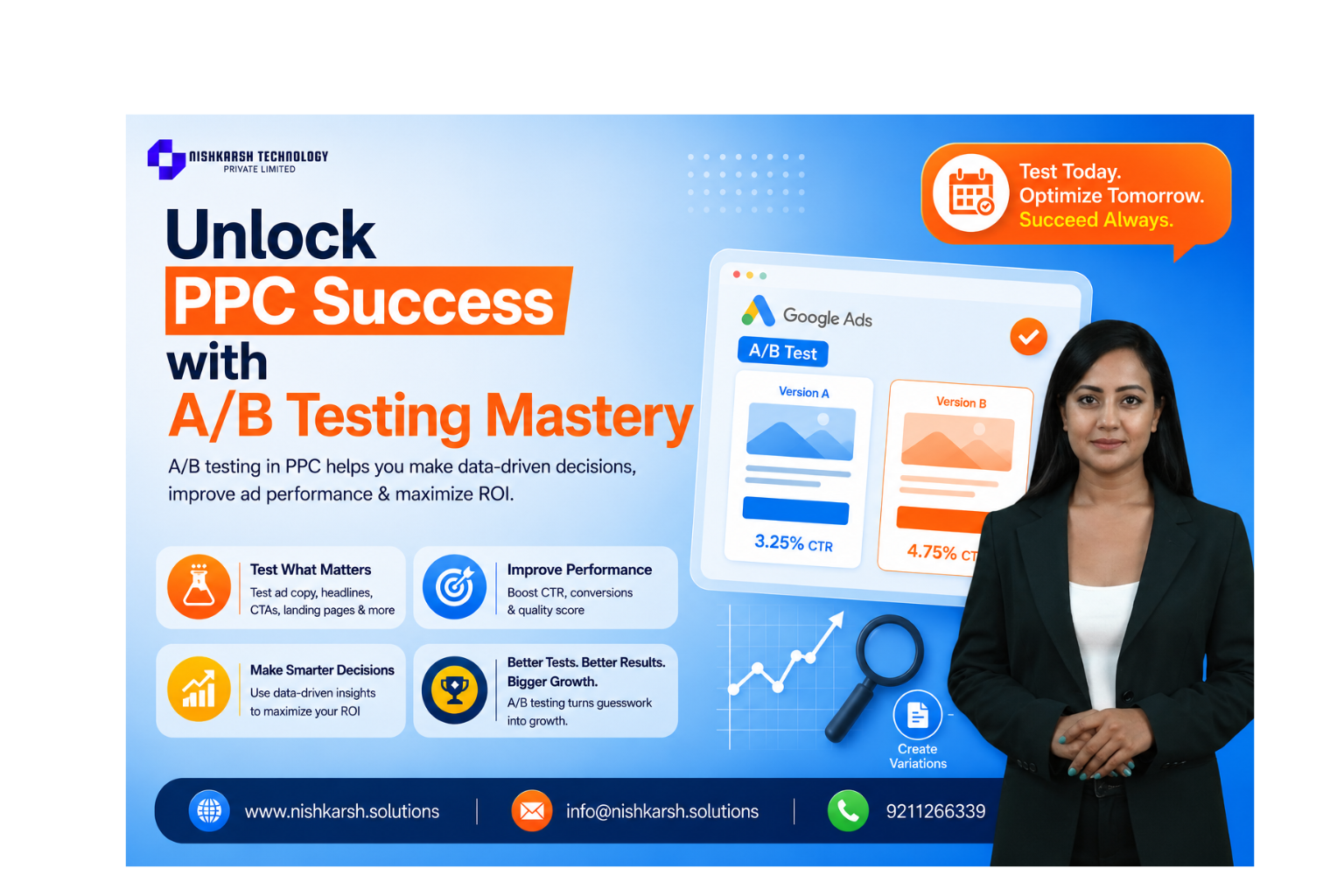
Unlock PPC Success with A/B Testing Mastery
Why A/B Testing Is Crucial in PPC Advertising
In the rapidly evolving landscape of digital marketing, Pay-Per-Click (PPC) advertising has become a cornerstone for businesses aiming to reach their target audience effectively. However, simply creating an ad and hoping for the best is no longer a viable strategy. Today, the success of PPC campaigns hinges on the ability to continuously test and optimize. This is where A/B testing comes into play. In this comprehensive guide, we'll delve into why A/B testing is crucial for PPC advertising in 2026 and beyond.
Understanding A/B Testing
A/B testing, also known as split testing, involves comparing two versions of an ad to determine which performs better. This method allows marketers to make data-driven decisions, ensuring that their PPC campaigns are as effective as possible. By testing different elements such as ad copy, landing pages, and targeting options, businesses can identify what resonates most with their audience.
The Importance of A/B Testing in PPC Advertising
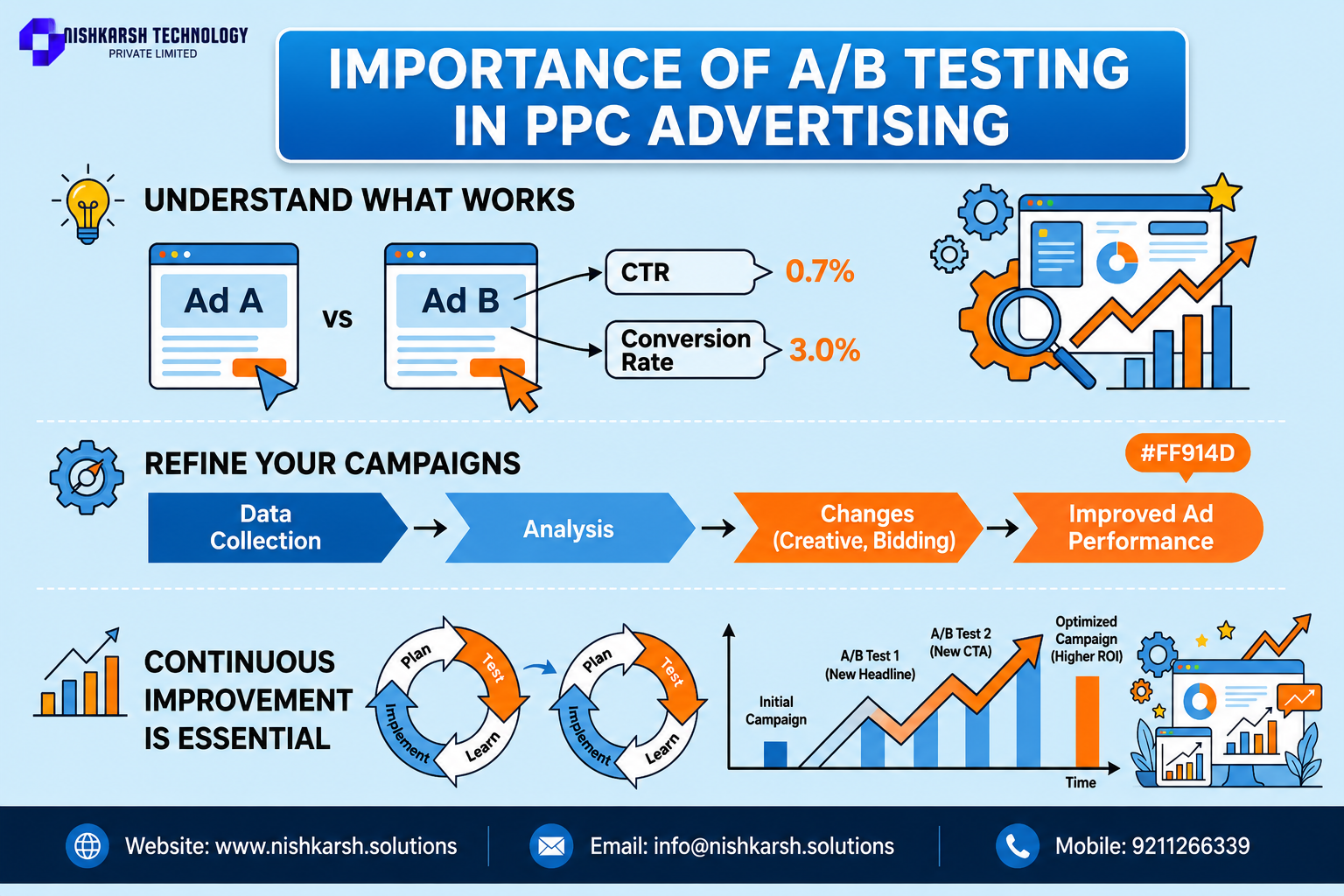
In the competitive world of PPC advertising, standing out is crucial. A/B testing helps you understand what works and what doesn't, allowing you to refine your campaigns continuously. This continuous improvement is essential in a market where even minor tweaks can lead to significant performance gains.
Key Elements to Test in PPC Advertising
There are numerous elements within a PPC campaign that can be tested to improve performance. Here are some key areas to focus on:
- Ad Copy: The text in your ad can significantly impact click-through rates (CTR) and conversion rates. Testing different headlines, descriptions, and calls-to-action (CTAs) can reveal which versions perform best.
- Landing Pages: The landing page is where users end up after clicking your ad. Testing different versions of landing pages can help you optimize the user experience and improve conversion rates.
- Targeting Options: Refining your targeting criteria can help you reach the right audience more effectively. Testing different targeting options, such as keywords, demographics, and geographic locations, can enhance your campaign's performance.
- Creative Assets: Images, videos, and other visual elements can also be tested. High-quality, engaging visuals can capture attention and drive more clicks.
- Bid Strategies: Different bidding strategies can affect your cost-per-click (CPC) and overall campaign performance. Testing various bidding strategies can help you find the most cost-effective approach.
Real-World Examples of Successful A/B Testing
Let's look at a couple of real-world examples to illustrate the power of A/B testing in PPC advertising:
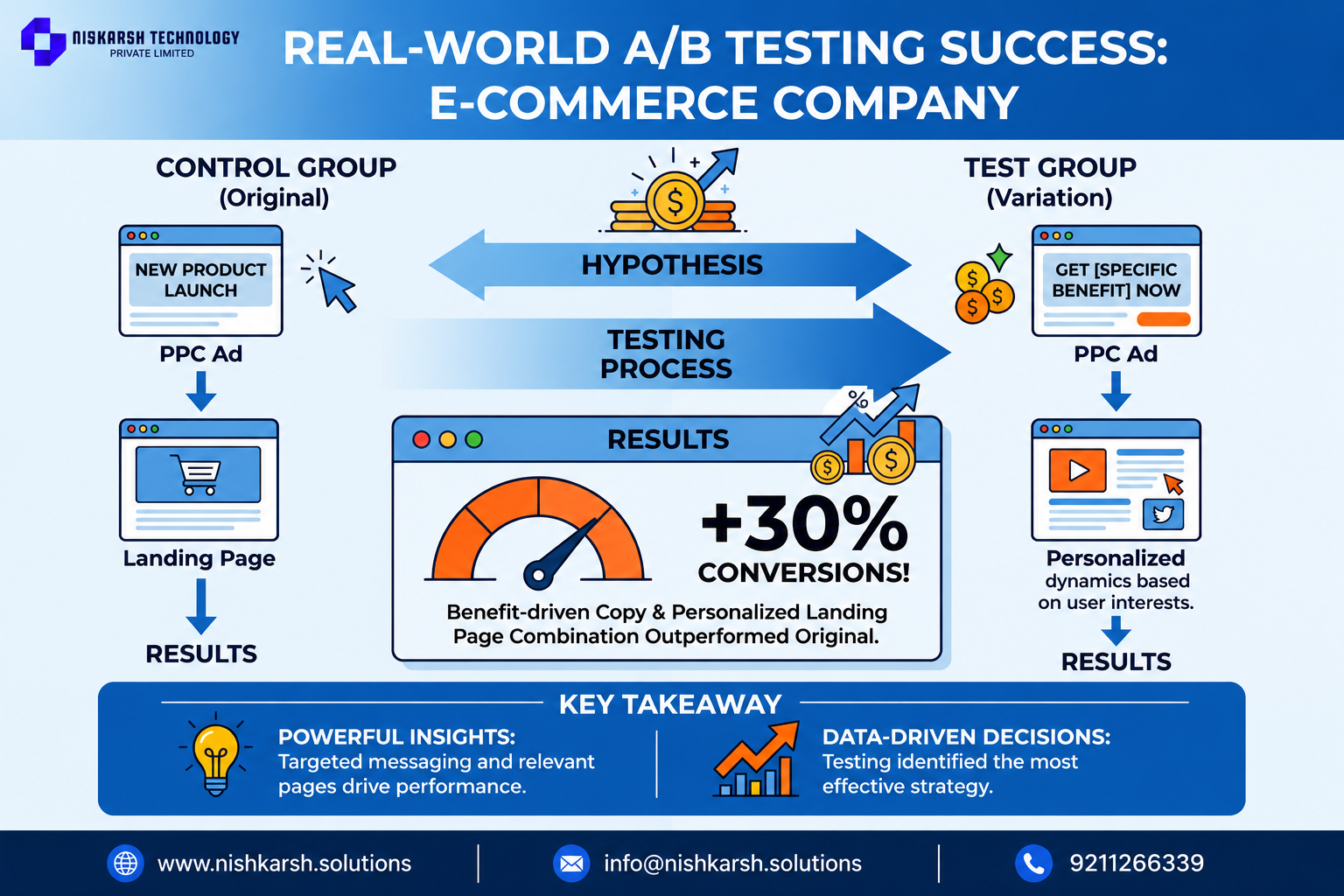
Example 1: E-commerce Company
A large e-commerce company was running a PPC campaign for a new product launch. They decided to test different ad copies, landing pages, and targeting options. After several rounds of testing, they discovered that a specific ad copy version combined with a personalized landing page resulted in a 30% increase in conversions. This success story highlights how targeted testing can lead to significant performance improvements.
Example 2: SaaS Startup
A SaaS startup was struggling to attract new users. They implemented A/B testing for their ad creative assets and targeting options. The results showed that using high-quality visuals and targeting tech-savvy professionals led to a 45% increase in sign-ups. This example demonstrates how visuals and targeted audience selection can drive better engagement and conversions.
Best Practices for A/B Testing in PPC Advertising
To maximize the benefits of A/B testing in PPC advertising, follow these best practices:
- Define Clear Objectives: Before starting any tests, clearly define what you want to achieve. Whether it's increasing CTR, reducing CPC, or boosting conversions, having a specific goal will guide your testing efforts.
- Start Small: Begin with small, incremental changes to avoid overwhelming your audience. This approach allows you to gather more data and make more informed decisions.
- Use Statistical Significance: Ensure that your tests are statistically significant. This means running enough tests to ensure that the results are not due to chance. Tools like Google Optimize can help you determine statistical significance.
- Continuous Testing: A/B testing is an ongoing process. Regularly test new elements and refine your campaigns based on the results. This continuous improvement will keep your PPC campaigns performing at their best.
- Analyze Results Thoroughly: Don't just look at the numbers; understand why certain tests performed better. Analyze the data to identify trends and patterns that can inform future testing.
The Role of AI and Machine Learning in A/B Testing
In 2026, AI and machine learning are playing an increasingly significant role in A/B testing. These technologies can automate the testing process, allowing marketers to test a vast number of variables quickly and efficiently. AI can also predict which tests are most likely to succeed, saving time and resources. For example, platforms like Google Optimize and Microsoft Advertising use AI to provide insights and recommendations based on testing data.
Challenges and Limitations of A/B Testing
While A/B testing is a powerful tool, it's not without its challenges. Some of the key limitations include:
- Time-Consuming: Conducting thorough A/B tests can be time-consuming, especially if you're testing multiple elements simultaneously. Prioritizing your tests based on their potential impact can help manage this challenge.
- Resource-Intensive: A/B testing requires resources, including time, budget, and technical expertise. Ensure that your team has the necessary resources to execute and analyze tests effectively.
- Data Interpretation: Interpreting the results of A/B tests can be complex. Misinterpreting data can lead to incorrect decisions. Always ensure that your team has the skills to analyze and interpret the data accurately.
Future Trends in A/B Testing for PPC Advertising
As technology continues to advance, so too will A/B testing. Here are some trends to watch for in the future:
- Personalization: With the rise of AI, personalization will become even more prevalent. A/B testing will play a crucial role in creating personalized experiences for users, leading to higher engagement and conversions.
- Real-Time Testing: Real-time A/B testing will become more common. This will allow marketers to test and optimize campaigns in real-time, providing instant feedback and adjustments.
- Multi-Armed Bandit Testing: This advanced testing method will gain popularity. It allows for testing multiple variations simultaneously, providing more data and faster results.
Conclusion
A/B testing is no longer an optional component of PPC advertising; it's a necessity. By continuously testing and optimizing your campaigns, you can ensure that they are performing at their best. From ad copy to landing pages, targeting options to creative assets, there are countless elements to test. By following best practices, leveraging AI and machine learning, and staying ahead of future trends, you can harness the full power of A/B testing to drive significant improvements in your PPC advertising efforts.
In the ever-evolving world of digital marketing, A/B testing will remain a critical tool for success. Embrace it, master it, and watch your PPC campaigns soar to new heights.