
Unlocking Mobile App Futures Beyond 2025
The Future of Mobile Apps: What’s Next After 2025
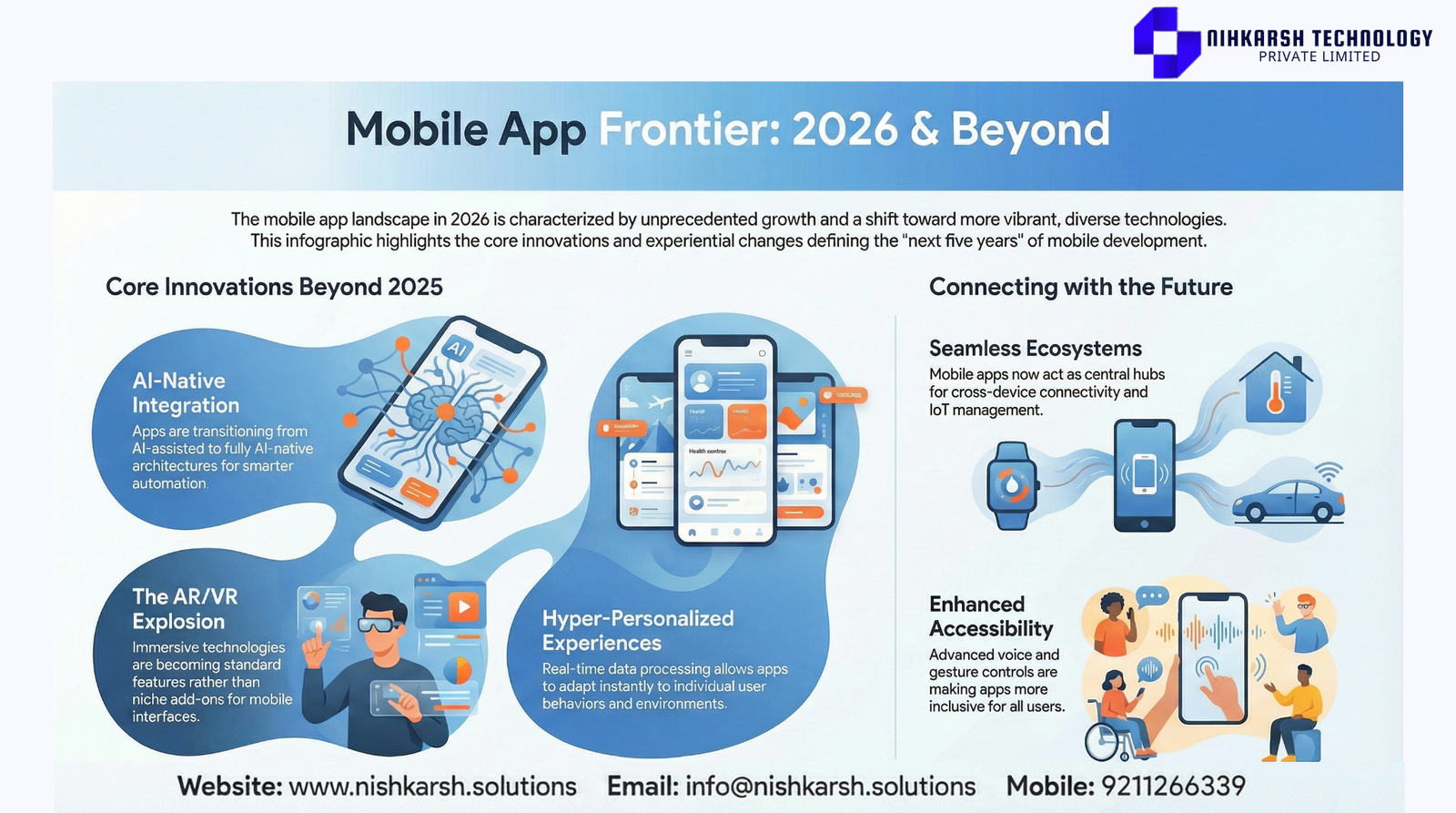
Welcome to the future of mobile apps! As we stand in January 2026, the mobile app landscape is more vibrant and diverse than ever. The past decade has seen unprecedented growth, and the next five years promise to bring even more innovations. Let's dive into what's next for mobile apps beyond 2025.
In-Depth Introduction
Mobile apps have become integral to our daily lives, from social media to banking, entertainment to productivity tools. The future of mobile apps is poised to be even more immersive, intelligent, and interconnected. This article explores the trends, technologies, and user experiences that will shape the mobile app industry beyond 2025.
Enhanced User Experience with AI and Machine Learning
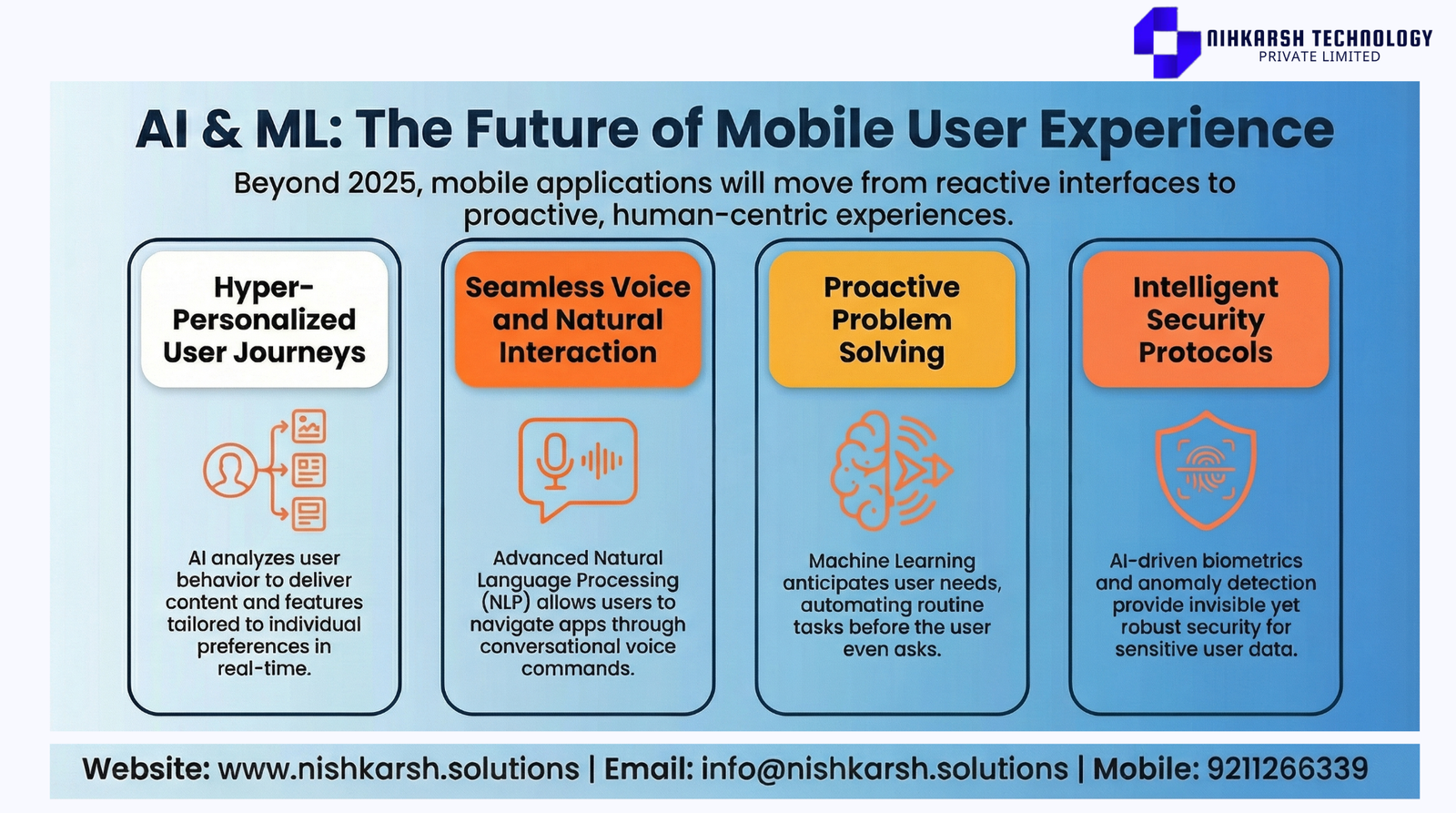
Artificial Intelligence (AI) and Machine Learning (ML) are already transforming mobile apps, and this trend will only intensify. By 2026, AI will be deeply integrated into every aspect of app development, from user interface design to backend processes.
For instance, AI-powered chatbots will provide 24/7 customer support, understanding and responding to user queries with unprecedented accuracy. Personalization will reach new heights as ML algorithms analyze user behavior to offer tailored content and recommendations.
Augmented Reality (AR) and Virtual Reality (VR) Integration
AR and VR technologies are set to revolutionize how we interact with mobile apps. By 2026, AR will be ubiquitous, allowing users to overlay digital information onto the real world. This will be particularly impactful in fields like retail, education, and real estate.
For example, IKEA's Place app uses AR to help users visualize how furniture will look in their homes before making a purchase. VR, on the other hand, will enable immersive experiences, from virtual tours to interactive gaming.
5G and Beyond: Faster, More Reliable Connections
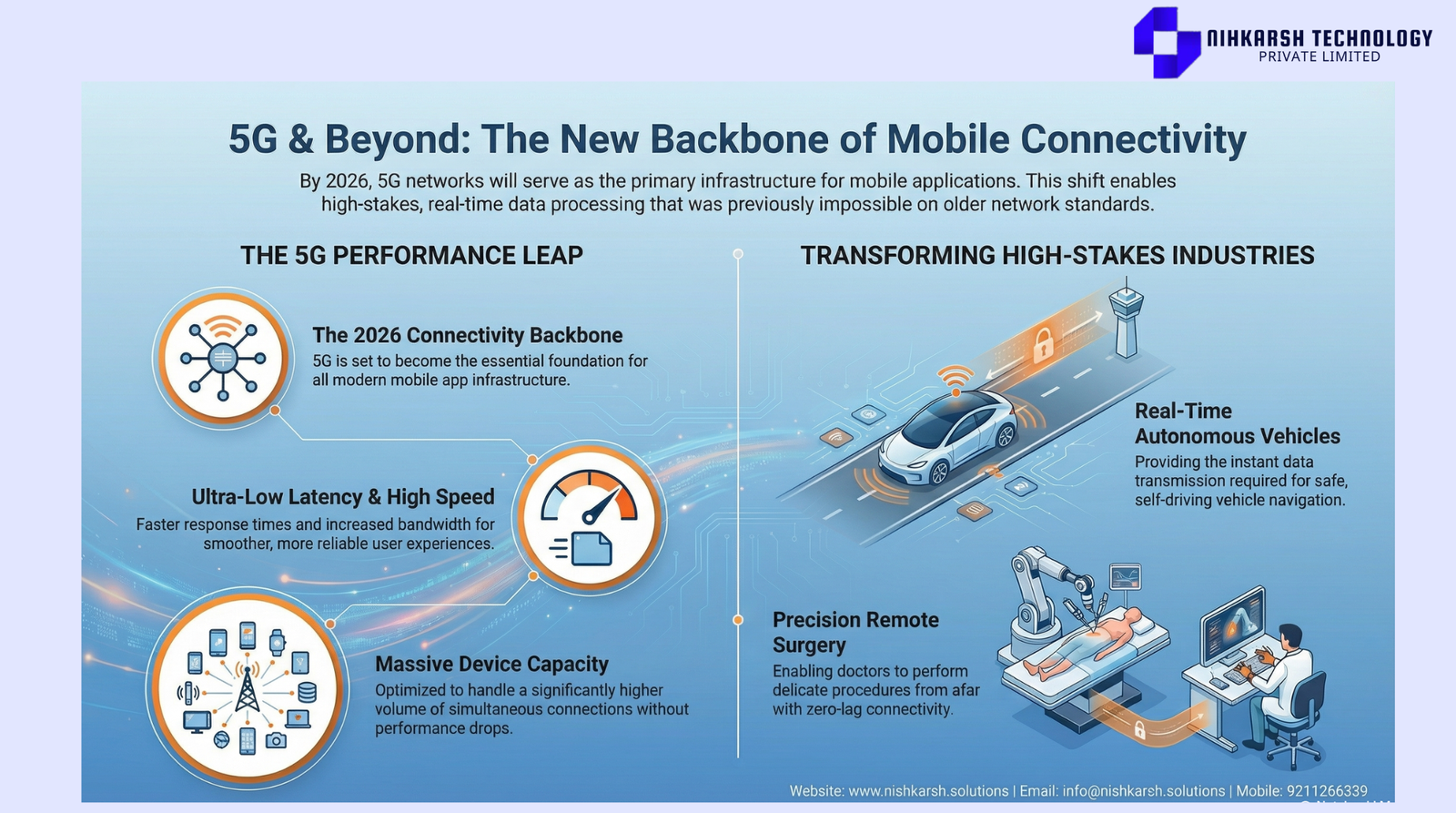
The rollout of 5G networks is already underway, and by 2026, it will be the backbone of mobile app connectivity. 5G promises faster speeds, lower latency, and the ability to handle more devices simultaneously. This will be crucial for apps that require real-time data, such as autonomous vehicles and remote surgery.
Beyond 5G, we can expect the development of 6G, which will offer even more advanced capabilities, including holographic communication and ultra-high-definition streaming.
Edge Computing: Bringing Data Closer to the User
Edge computing is a game-changer for mobile apps. By processing data closer to where it's collected, edge computing reduces latency and ensures faster, more reliable performance. This is particularly important for apps that require real-time data processing, like autonomous vehicles and smart cities.
For instance, edge computing will enable self-driving cars to make split-second decisions based on real-time data from their surroundings, enhancing safety and efficiency.
Privacy and Security: A Top Priority
As mobile apps become more integrated into our lives, privacy and security concerns will remain top priorities. By 2026, we can expect advancements in encryption, biometric authentication, and data anonymization techniques to protect user information.
Companies will also need to comply with stricter regulations, such as the EU's General Data Protection Regulation (GDPR), which will drive innovation in data management practices.
The Rise of Decentralized Apps (dApps)
Decentralized apps, or dApps, are applications built on blockchain technology. They offer a new paradigm for app development, with decentralized storage, peer-to-peer transactions, and immutable records. By 2026, dApps will become more mainstream, particularly in sectors like finance and supply chain management.
For example, decentralized finance (DeFi) platforms will enable users to conduct financial transactions without intermediaries, offering greater control and transparency.
Sustainability and Eco-Friendly Apps
Sustainability is becoming a critical factor in app development. By 2026, we can expect to see more apps designed with environmental impact in mind. This includes optimizing energy consumption, reducing carbon footprints, and promoting recycling and reuse.
For instance, apps that encourage carpooling or public transportation will become more popular, helping to reduce traffic congestion and emissions.
Cross-Platform Development: Seamless Experiences
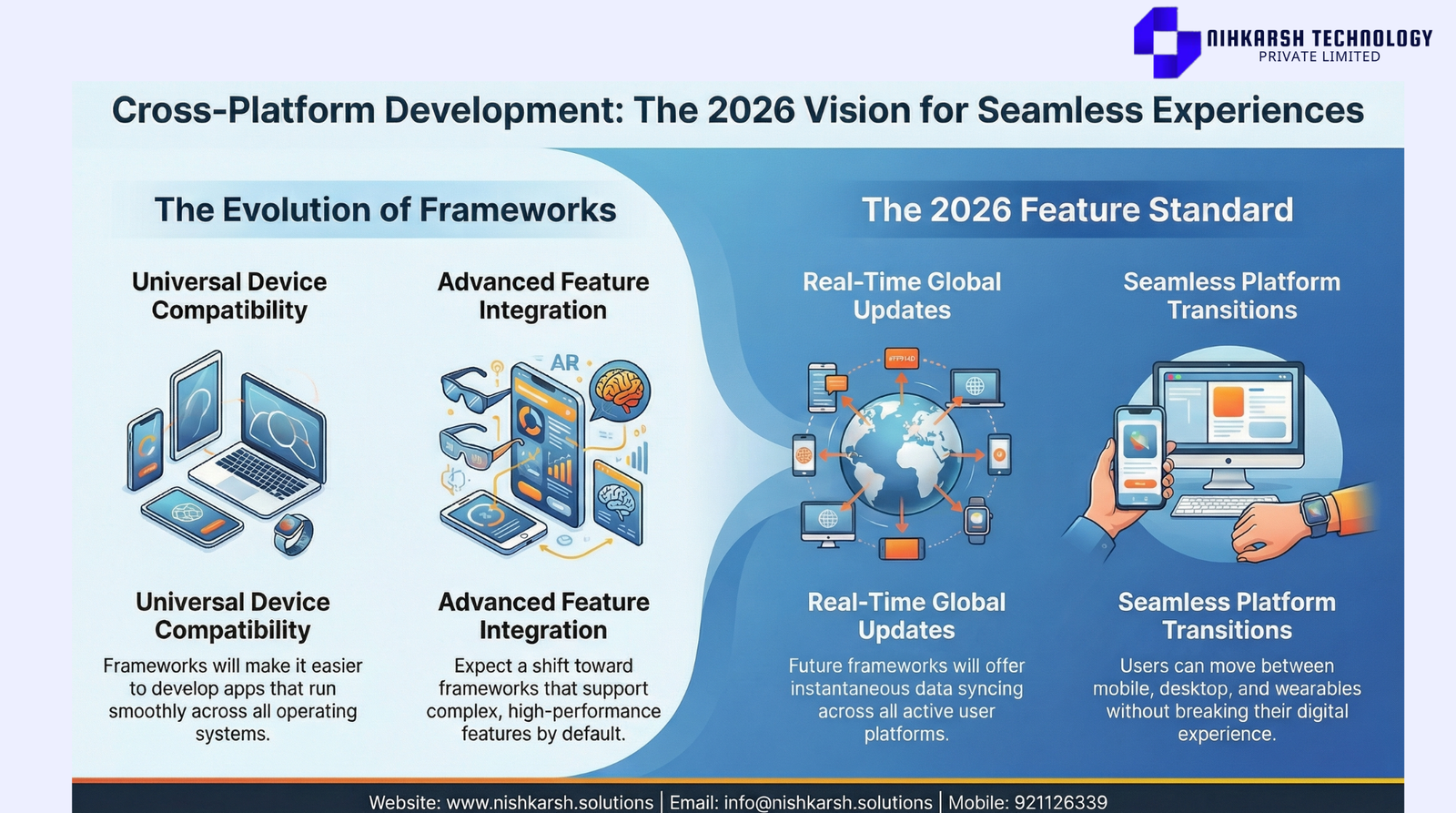
Cross-platform development frameworks will continue to evolve, making it easier to develop apps that run smoothly across multiple devices and operating systems. By 2026, these frameworks will offer even more advanced features, such as real-time updates and seamless transitions between platforms.
For example, Flutter and React Native are already popular choices for cross-platform development, and we can expect continued innovation in this area.
Gamification and Interactive Learning
Gamification and interactive learning will become more prevalent in mobile apps. By 2026, educational apps will leverage game mechanics to make learning more engaging and effective. This trend will be particularly impactful in fields like healthcare and professional development.
For instance, health apps will use gamification to encourage users to adopt healthier habits, while professional development apps will use interactive learning to keep users engaged and motivated.
Comprehensive Conclusion
The future of mobile apps is bright and full of possibilities. From AI and AR to 5G and edge computing, the industry is poised for significant advancements. As we look beyond 2025, it's clear that mobile apps will continue to evolve, becoming more intelligent, interconnected, and user-centric.
However, this evolution will also bring new challenges, particularly in areas like privacy, security, and sustainability. Companies and developers will need to stay ahead of these trends and innovate responsibly to create apps that truly enhance our lives.
So, what's next for mobile apps? The future is here, and it's looking amazing!