
Unlock App Success Why User Feedback is Essential for Your Mobile App
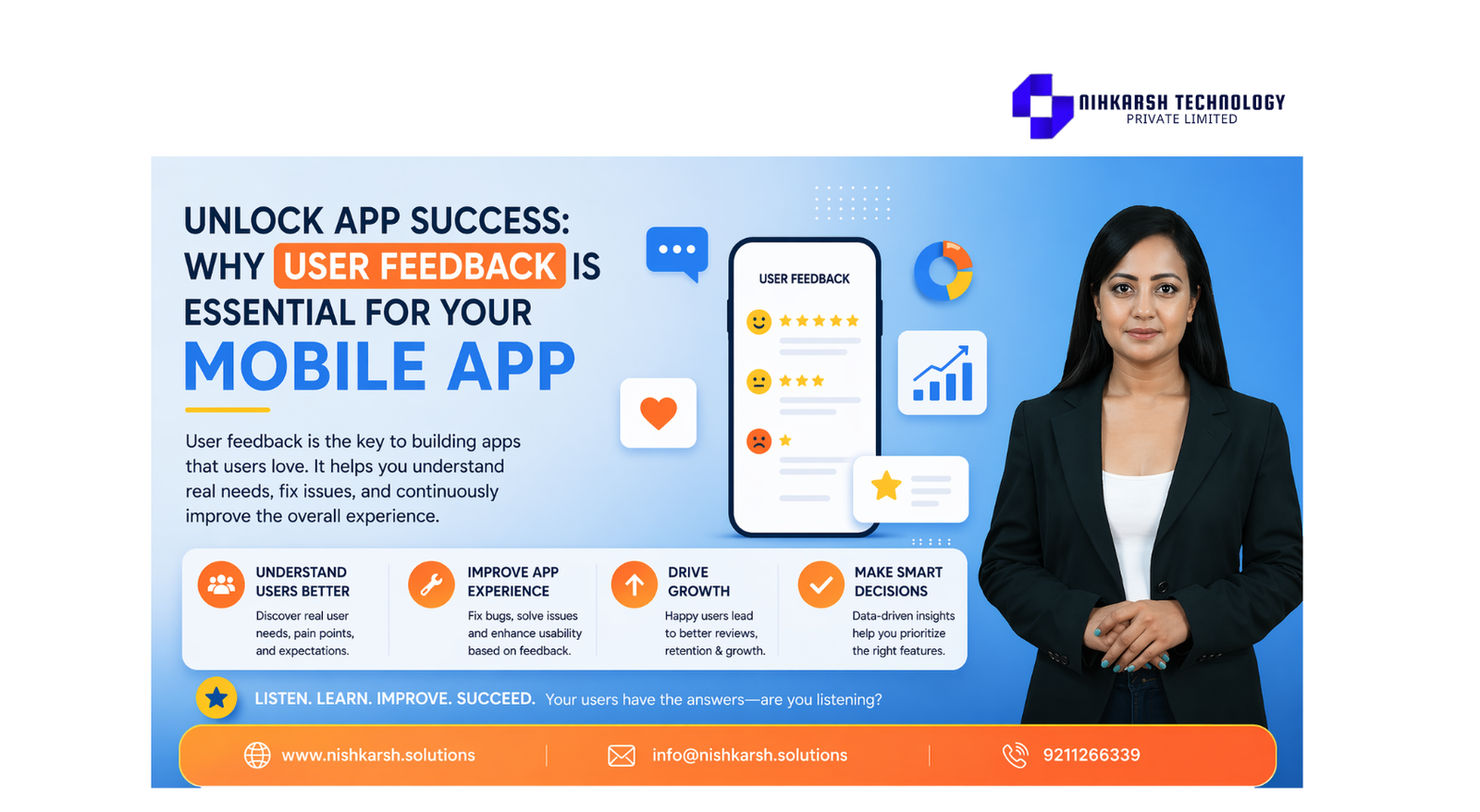
Why User Feedback Is Crucial for App Success in 2026 and Beyond
Watch: How User Feedback Drives Mobile App Success 🚀
Want to understand how real user feedback can transform your mobile app into a high-performing product? Watch this quick video where we break down practical insights, strategies, and real-world importance of feedback.
In the fast-paced world of app development, where competition is fierce and user expectations are constantly evolving, one thing remains constant: user feedback is the lifeblood of success. As we step into 2026, the landscape of app development has shifted dramatically, with AI-driven personalization, hyper-fragmented user bases, and rapid technological advancements reshaping how we interact with digital products. In this dynamic environment, user feedback isn't just valuable—it's essential. Whether you're a startup founder, a seasoned product manager, or a UX designer, understanding the power of user feedback can be the difference between an app that thrives and one that fades into obscurity.
This guide will explore why user feedback is crucial for app success in 2026 and beyond, delve into the latest trends in user feedback collection, and provide actionable strategies to implement feedback-driven development. By the end, you'll have a clear roadmap for integrating user feedback into your app's lifecycle, ensuring continuous improvement and long-term viability.
The Evolution of User Feedback in App Development
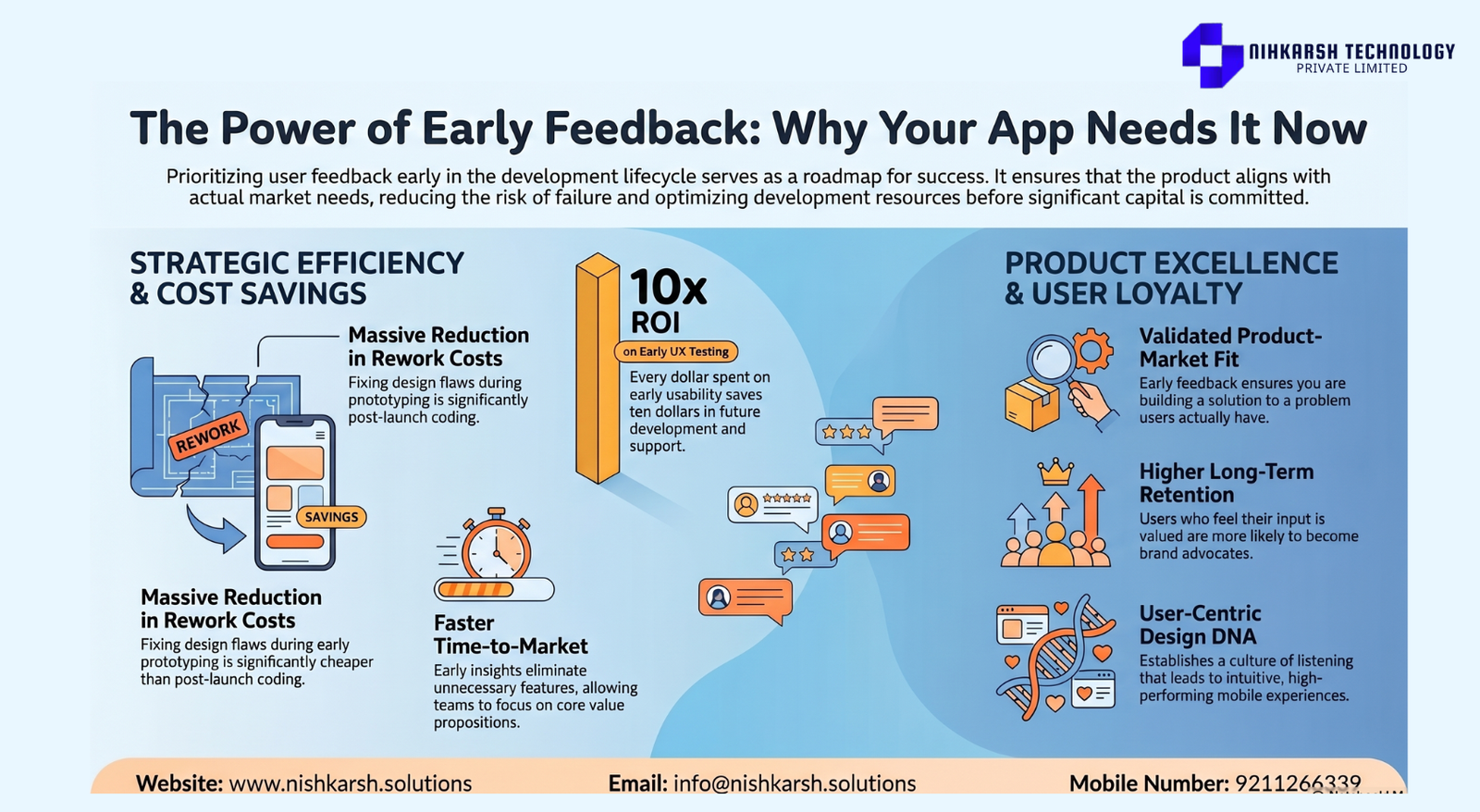
User feedback has always been a cornerstone of app development, but its role has expanded significantly over the years. In the early 2000s, feedback was often collected through simple surveys and basic analytics. Fast forward to 2026, and the landscape is vastly different. Today, feedback is gathered through a multitude of channels, including AI-powered chatbots, real-time sentiment analysis, and even neural network-driven predictive insights. This evolution reflects the growing complexity of user needs and the increasing sophistication of app development tools.
One of the most significant shifts is the move from passive feedback collection to proactive, real-time engagement. Apps like AppFlow and Userlytics now use machine learning to anticipate user needs before they even express them. For example, if a user frequently drops off at a particular step in your onboarding process, AI can flag this issue and suggest potential fixes. This proactive approach ensures that issues are addressed before they escalate, leading to higher user satisfaction and retention rates.
Additionally, the rise of the feedback loop—a continuous cycle of collecting, analyzing, and acting on feedback—has become a standard practice. Companies that embrace this iterative process see faster innovation cycles and more responsive products. For instance, Netflix famously uses a feedback loop to refine its algorithm, ensuring that recommendations are as accurate as possible. This same principle applies to any app looking to stay ahead of the curve.
How User Feedback Drives App Success in 2026
So, why is user feedback so crucial for app success in 2026? The answer lies in several key factors:
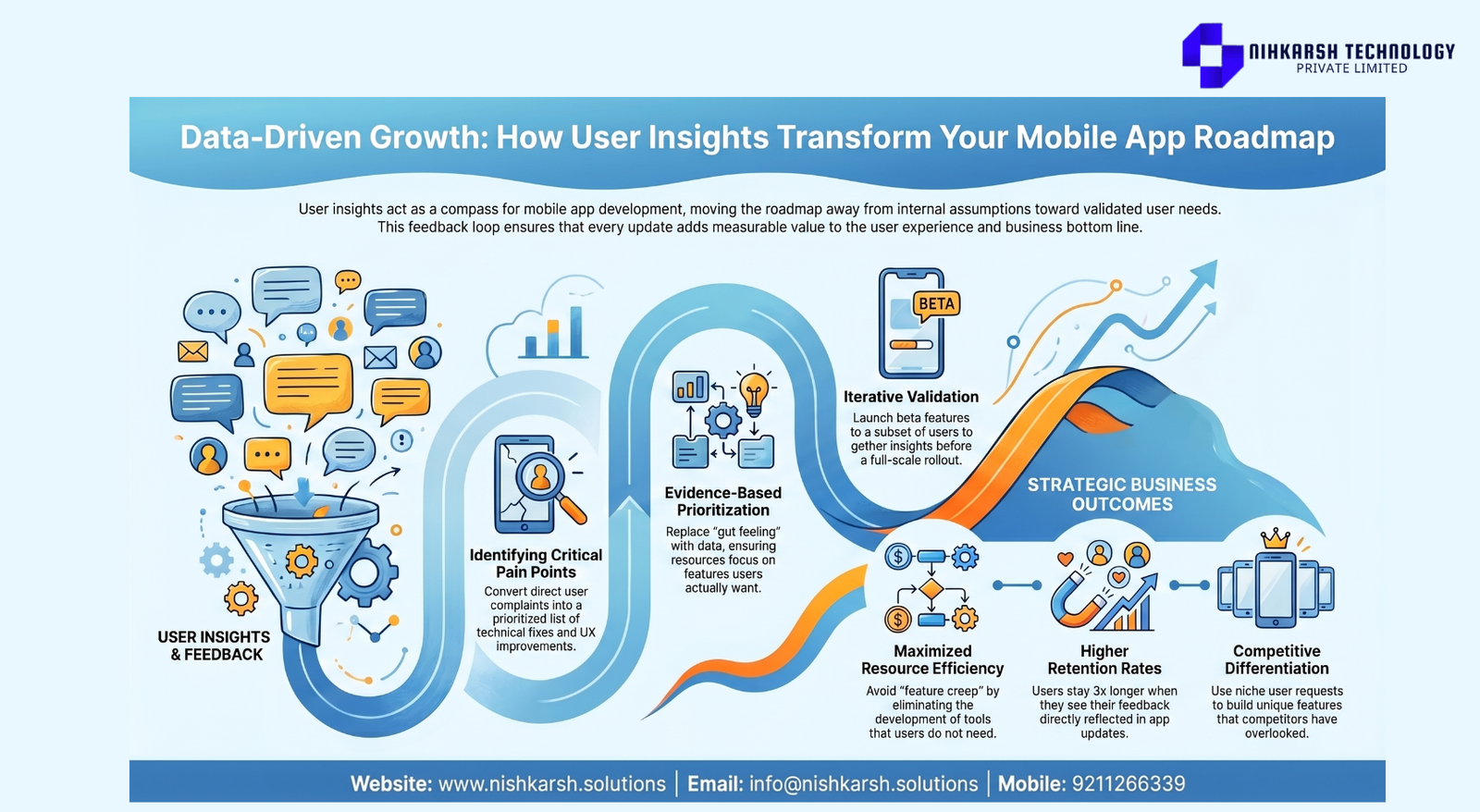
- User-Centric Design: In an era where users have more choices than ever, apps that prioritize user experience (UX) outperform those that don't. Feedback helps identify pain points and opportunities for improvement, ensuring your app meets the evolving needs of its audience.
- Data-Driven Decision Making: Feedback provides the data needed to make informed decisions. Whether it's optimizing a feature or pivoting an entire product direction, feedback ensures that changes are based on real user behavior rather than assumptions.
- Competitive Advantage: Apps that actively seek and act on feedback are more likely to innovate faster and differentiate themselves from competitors. For example, TikTok has thrived by continuously refining its algorithm based on user feedback, leading to a loyal and engaged user base.
- Reduced Churn Rates: Addressing user concerns proactively leads to lower churn rates. When users feel heard and valued, they're more likely to stick around. A study by McKinsey found that apps with strong feedback mechanisms see a 30% reduction in churn compared to those that don't.
The Role of AI in Enhancing User Feedback
Artificial intelligence is revolutionizing how we collect and analyze user feedback. AI-powered tools can now process vast amounts of unstructured data, such as voice notes, social media posts, and even facial expressions, to extract meaningful insights. This is particularly valuable in 2026, where users expect seamless, intuitive interactions with their apps.
For example, Google's AI-powered feedback tool analyzes user reviews and identifies recurring themes, allowing developers to address issues before they become widespread. Similarly, Microsoft's HoloLens uses AI to interpret user gestures and facial expressions, providing real-time feedback on usability. These tools are just the beginning—by 2026, AI will likely be the default method for feedback collection in most apps.
However, AI isn't without its challenges. Privacy concerns and the need for human oversight remain critical. As AI becomes more sophisticated, it's essential to ensure that feedback is collected ethically and that human insights are integrated where necessary. For instance, while AI can flag a common issue, a human designer might be needed to understand the root cause and propose a solution.
Best Practices for Collecting and Analyzing User Feedback
Not all feedback is created equal, and collecting it effectively requires a strategic approach. Here are some best practices to consider:
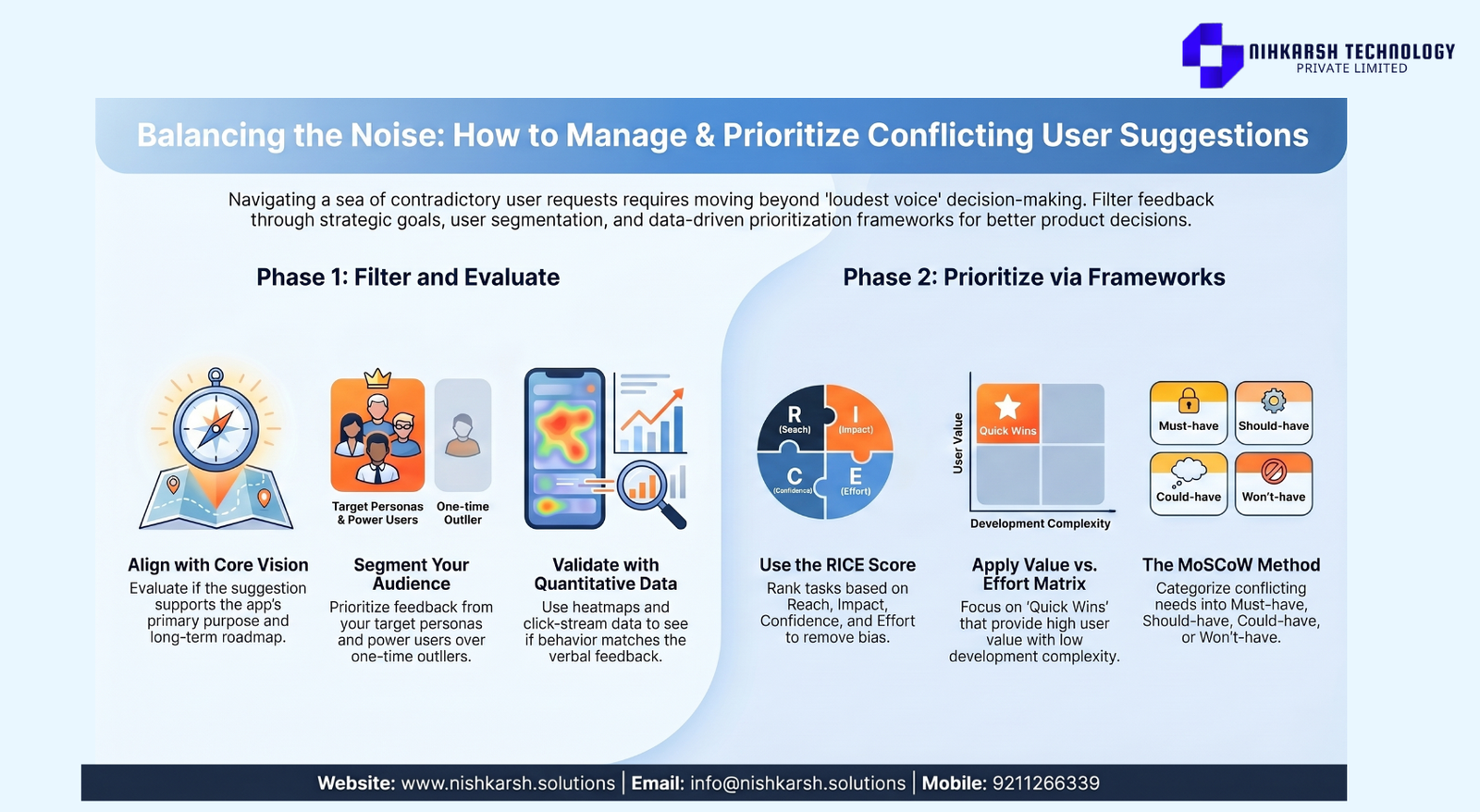
- Use Multiple Channels: Don't rely on a single source of feedback. Surveys, in-app feedback forms, social media monitoring, and even AI-driven sentiment analysis should all be part of your strategy. This ensures you capture a diverse range of perspectives.
- Prioritize Actionable Insights: Not all feedback is equally important. Focus on actionable insights that can directly improve the user experience. For example, if 70% of users report a particular feature is confusing, prioritize simplifying it over adding new features.
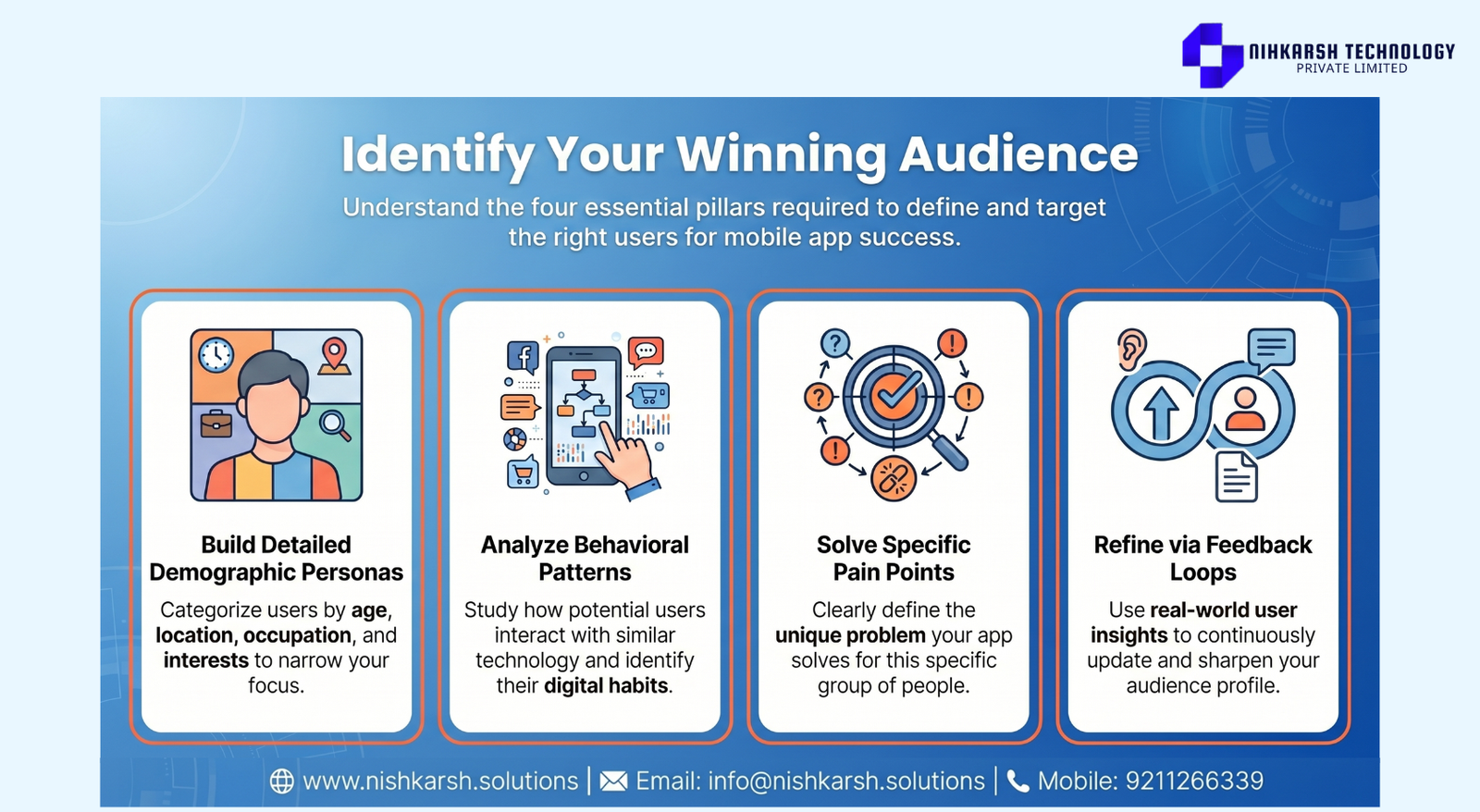
- Segment Your Feedback: Different user groups may have different needs. Segment feedback by demographics, usage patterns, or even behavioral triggers. This allows for more targeted improvements. For instance, a fitness app might find that feedback from older users differs significantly from that of younger users.
- Iterate and Improve: Feedback is a continuous process. Regularly review and update your app based on new insights. The best apps, like Spotify, treat feedback as an ongoing dialogue rather than a one-time event.
One tool that has gained popularity in 2026 is FeedbackFlow, which automates the collection and analysis of user feedback. It uses natural language processing (NLP) to categorize and prioritize feedback, making it easier for teams to act on insights. By integrating such tools, you can streamline the feedback process and ensure that improvements are implemented quickly.
The Future of User Feedback: Predictive and Proactive Insights
Looking ahead to 2026 and beyond, the future of user feedback is likely to be even more predictive and proactive. Advances in machine learning and neural networks will enable apps to anticipate user needs before they even arise. For example, an app might predict that a user is likely to churn based on their recent behavior and proactively offer a retention incentive.
This shift toward predictive feedback is already being seen in industries like healthcare and finance, where early intervention can prevent major issues. In app development, this could mean:
- Predictive Onboarding: AI could analyze a user's initial interactions and predict where they might drop off, allowing for personalized onboarding assistance.
- Behavioral Triggers: Apps could use predictive analytics to trigger feedback requests at the right moment, ensuring higher response rates.
- Personalized Recommendations: Feedback could be used to refine recommendation algorithms, ensuring users see content that aligns with their evolving interests.
Companies like IBM Watson are already leading the way in this space, using AI to predict user behavior and tailor experiences accordingly. As these technologies become more mainstream, they'll become a standard part of app development.
Overcoming Common Challenges in User Feedback Implementation
While user feedback is invaluable, implementing it effectively comes with challenges. Here are some common pitfalls and how to avoid them:
- Feedback Overload: Too much feedback can be overwhelming. Use tools like FeedbackFlow to filter and prioritize insights. Set clear goals for how much feedback you'll act on each month.
- Lack of Action: Collecting feedback is only half the battle. Ensure your team has the resources to implement changes. Set deadlines and track progress to keep the feedback loop moving.
- Bias in Feedback: Not all users are equal. Some may be more vocal or have different priorities. Use statistical methods to identify trends and avoid bias. Tools like Userlytics can help balance feedback by user segment.
- Privacy Concerns: Users are increasingly concerned about data privacy. Ensure your feedback collection methods comply with regulations like GDPR and CCPA. Transparency about how feedback is used can build trust.
By addressing these challenges proactively, you can create a feedback-driven culture that fosters continuous improvement.
Case Studies: How Top Apps Use Feedback for Success
To illustrate the power of user feedback, let's look at a few case studies from top apps:
- TikTok: TikTok has become a leader in user feedback by continuously refining its algorithm based on user behavior. The app uses AI to analyze engagement patterns and adjust content recommendations in real time. This proactive approach has helped TikTok maintain its dominant position in the social media space.
- Spotify: Spotify uses a combination of surveys, in-app feedback, and AI-driven analytics to improve its music recommendations. The company has seen a 20% increase in user retention by acting on feedback from its community.
- Duolingo: Duolingo leverages user feedback to personalize its language-learning experience. By analyzing user progress and preferences, the app tailors lessons to individual needs, leading to higher engagement and retention rates.
These examples show that when feedback is integrated into the core of an app's development process, the results are transformative.
Building a Feedback-Driven Culture in Your Team
To make user feedback truly impactful, you need a culture that values and acts on feedback. Here are some strategies to foster this culture:
- Lead by Example: Show your team how to collect and act on feedback. Share your own experiences and insights to demonstrate the value of the process.
- Empower Teams: Give your team the autonomy to make decisions based on feedback. This builds ownership and encourages innovation.
- Measure Impact: Track the results of feedback-driven changes. Showing concrete improvements can motivate your team to continue the process.
- Encourage Open Communication: Create channels where team members can share feedback openly. Platforms like Slack or Microsoft Teams can facilitate this.
By building a feedback-driven culture, you ensure that user feedback isn't just a one-time exercise but a continuous, collaborative effort.
Final Thoughts: The Path to App Success in 2026 and Beyond
In conclusion, user feedback is more than just a nice-to-have in app development—it's a necessity. As we move into 2026 and beyond, the role of feedback will only grow more critical, driven by advancements in AI, machine learning, and predictive analytics. Apps that embrace feedback as a core part of their development process will not only survive but thrive in an increasingly competitive landscape.
To summarize the key takeaways:
- User feedback is essential for user-centric design, data-driven decision making, competitive advantage, and reduced churn rates.
- AI is revolutionizing feedback collection and analysis, making it more proactive and predictive.
- Best practices include using multiple feedback channels, prioritizing actionable insights, segmenting feedback, and iterating continuously.
- The future of feedback lies in predictive and proactive insights, powered by AI and machine learning.
- Overcoming challenges like feedback overload, lack of action, bias, and privacy concerns requires strategic planning and the right tools.
- Top apps use feedback to drive innovation, personalization, and user retention.
- A feedback-driven culture is key to making feedback impactful and sustainable.
So, if you're looking to build a successful app in 2026 and beyond, make user feedback a priority. Start today by implementing a structured feedback collection process, analyzing insights thoughtfully, and acting on them with agility. The apps that do this will be the ones that stand out in the crowded digital landscape.
Ready to get started? Explore tools like FeedbackFlow, Userlytics, and AppFlow to streamline your feedback process. And remember—feedback is not just about collecting data; it's about building a better app, one user at a time.
By prioritizing user feedback, you're not just building an app; you're building a community. And in today's digital world, that's the key to long-term success.