
Master Your App Launch Plan: Proven Steps for Success

How to Plan a Successful App Launch in 2026 and Beyond
In 2026, the app market is more competitive than ever. With millions of apps vying for attention, standing out and ensuring a successful launch requires a strategic approach. Whether you're launching a startup app, an enterprise solution, or a consumer-facing product, a well-planned launch can make all the difference between success and obscurity. In this guide, we'll walk you through the key steps to plan a successful app launch in the future.
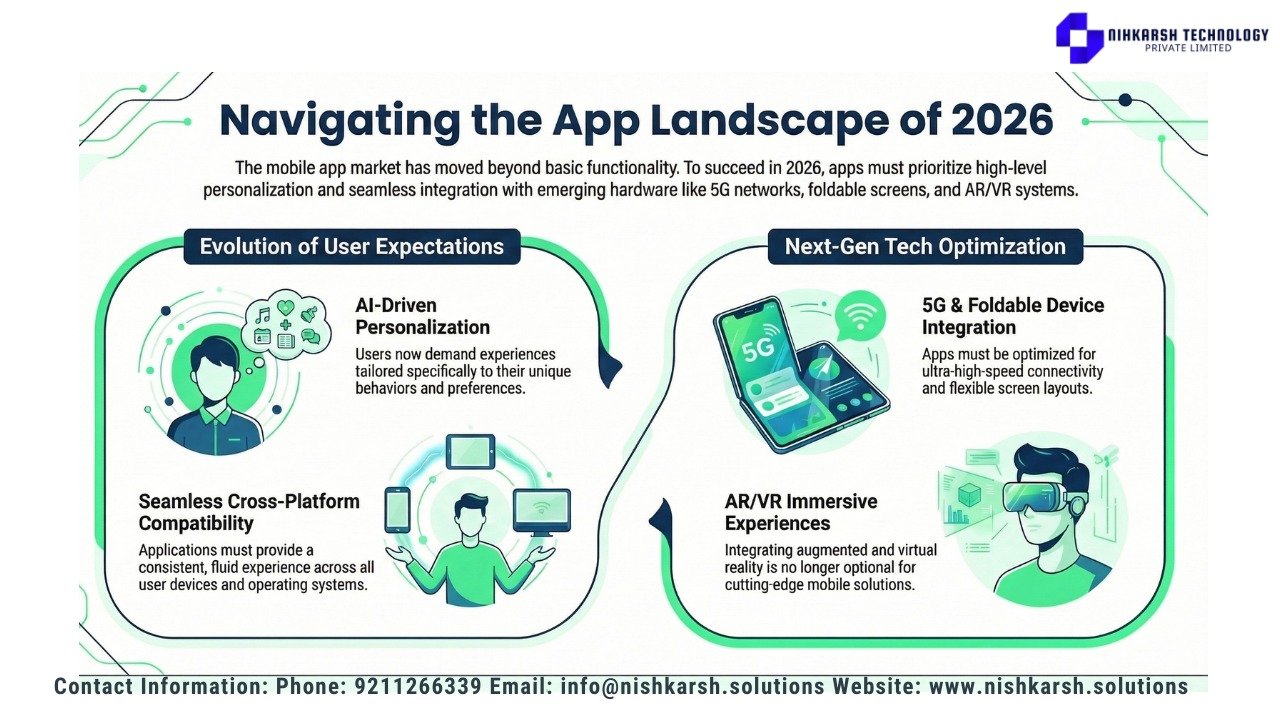
Understanding the App Market in 2026
The app landscape has evolved significantly since the early days of mobile technology. In 2026, users expect seamless experiences, AI-driven personalization, and cross-platform compatibility. The rise of 5G, foldable devices, and AR/VR integration means apps must be optimized for these advancements. Additionally, privacy concerns and stricter regulations like GDPR and CCPA have reshaped how apps collect and use data. Understanding these trends is crucial for a successful launch.
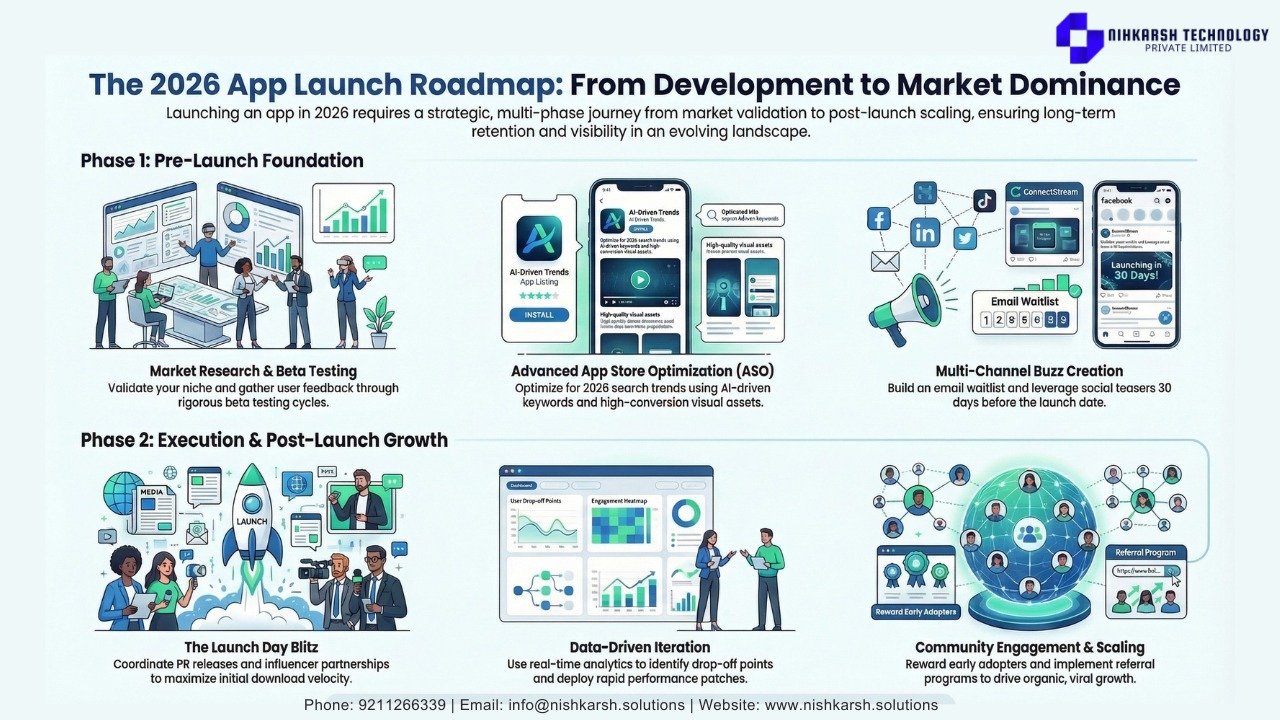
Pre-Launch Strategy: Setting the Foundation
A successful app launch starts long before the big day. Here’s how to set the stage for success:
1. Define Your App’s Core Purpose
Before diving into design or development, ask yourself: What problem does this app solve? Who is your target audience? In 2026, apps that offer unique value propositions—whether through AI, sustainability, or accessibility—are more likely to succeed. For example, an app like "EcoRoute" that uses real-time data to suggest the most eco-friendly routes is more appealing than a generic mapping tool.
2. Conduct Market Research
Analyze competitors, user behavior, and industry trends. Tools like Google Trends, App Annie, and Sensor Tower provide valuable insights. Look for gaps in the market that your app can fill. For instance, if most fitness apps focus on workouts, your app could specialize in mental wellness or recovery tracking.
3. Develop a Clear Value Proposition
Your app’s value proposition should be concise and compelling. It should answer the question: Why should users choose your app over competitors? In 2026, apps that emphasize sustainability, AI-driven insights, or social impact are more likely to attract users. For example, a financial app could highlight its carbon-neutral operations or AI-powered spending analysis.
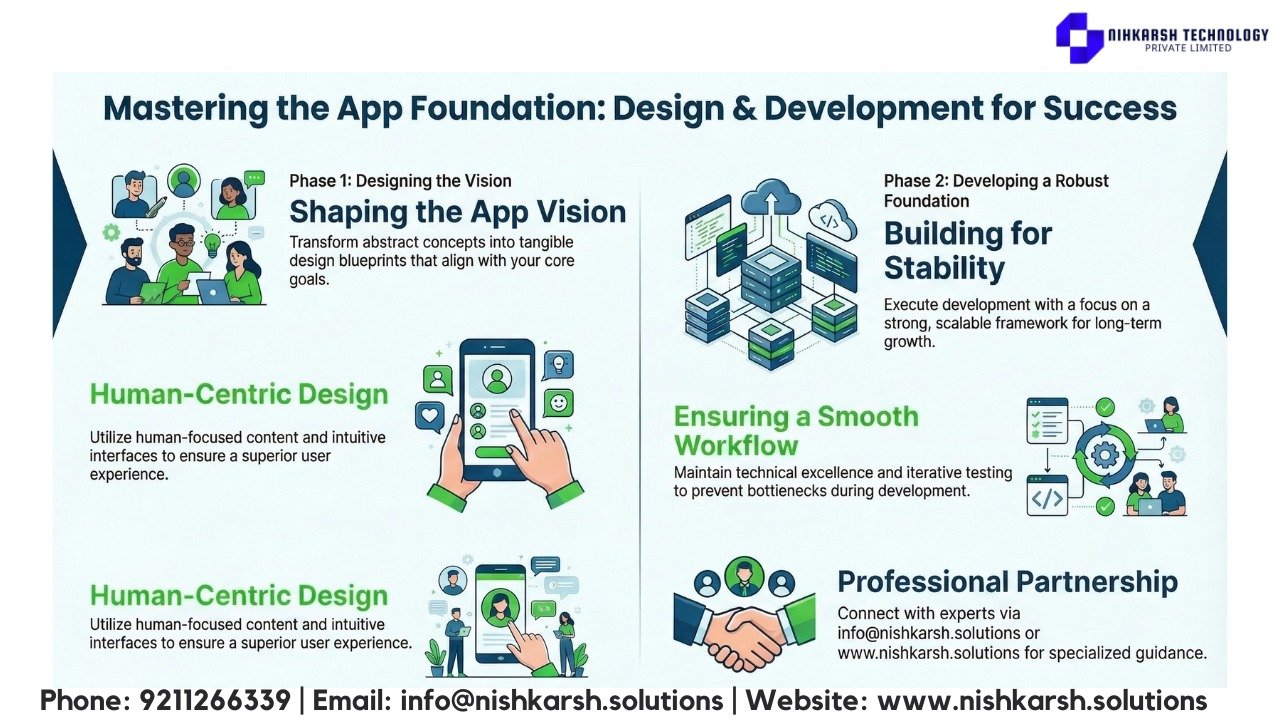
Design and Development: Building a Strong Foundation
The design and development phase is where your app’s vision takes shape. Here’s how to ensure a smooth process:
1. Choose the Right Technology Stack
In 2026, cross-platform frameworks like Flutter and React Native are still dominant, but AI integration is becoming a key differentiator. If your app relies on machine learning, consider frameworks like TensorFlow Lite or PyTorch Mobile. Also, ensure your app is optimized for future-proofing, such as supporting foldable screens and 5G.
2. Prioritize User Experience (UX) and Interface (UI)
A great design is intuitive, visually appealing, and fast. In 2026, users expect apps to load in under 2 seconds and adapt to different screen sizes. Tools like Figma and Adobe XD can help streamline the design process. For example, an app like "QuickTask" could use a minimalist design with gesture-based controls for quick task management.
3. Ensure Cross-Platform Compatibility
With the rise of foldable devices and tablets, your app should work seamlessly across all platforms. Test on multiple devices and operating systems to avoid compatibility issues. For instance, an app like "UniView" that adjusts its layout for both phones and tablets will have a broader reach.
Marketing and Pre-Launch Hype
Building anticipation is just as important as the launch itself. Here’s how to create buzz:
1. Leverage Social Media and Influencers
In 2026, social media platforms like TikTok, Instagram, and LinkedIn are still powerful tools for app promotion. Partner with influencers in your niche to create engaging content. For example, a fitness app could collaborate with fitness influencers to showcase its features in action.
2. Create a Teaser Campaign
A teaser campaign builds excitement before the launch. Use countdowns, behind-the-scenes content, and mystery elements to keep users engaged. For instance, an app like "MysteryBox" could release weekly hints about its features.
3. Offer Early Access or Beta Testing
Allowing a select group of users to test your app provides valuable feedback and builds a loyal community. Platforms like TestFlight (for iOS) and Google Play Beta can help manage this process. For example, a productivity app could offer early access to power users for feedback on new features.
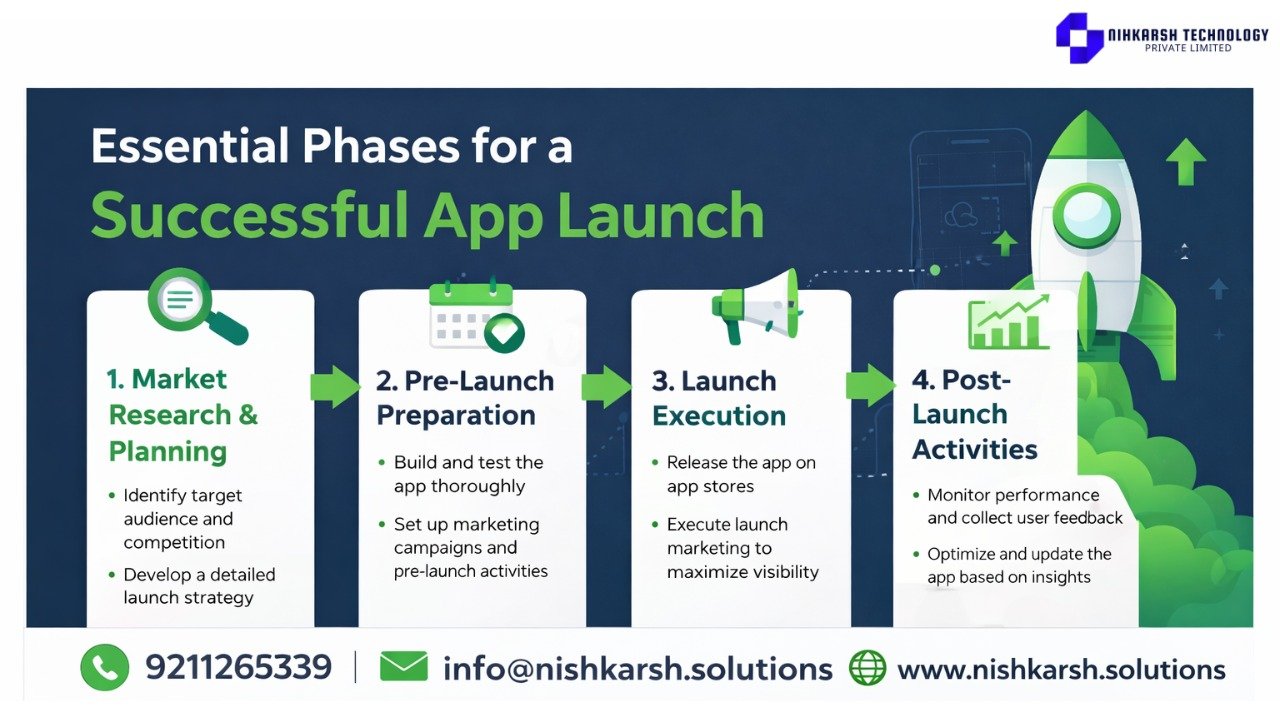
Launch Day Strategies
The launch day is critical, but a well-planned approach can make it a success.
1. Optimize for App Store Listings
Your app store description, screenshots, and keywords are crucial for discoverability. Use relevant keywords and highlight key features. For example, an app like "GreenShop" could emphasize its eco-friendly product recommendations.
2. Prepare for High Traffic
Expect a surge in downloads. Ensure your servers and backend systems can handle the load. Consider using cloud services like AWS or Google Cloud for scalability. For instance, a trending app like "FlashDeal" might need to handle sudden spikes in traffic.
3. Monitor and Respond to Reviews
User reviews can make or break your app’s reputation. Respond promptly to both positive and negative feedback. For example, if a user complains about a bug, acknowledge the issue and assure them it’s being fixed.
Post-Launch Optimization
Launching is just the beginning. Continuously improving your app is key to long-term success.
1. Collect and Analyze User Feedback
Use tools like Firebase, App Center, or custom surveys to gather feedback. Analyze trends to identify areas for improvement. For example, if users frequently complain about slow loading times, optimize your app’s performance.
2. Implement Updates Based on Feedback
Regular updates keep users engaged and show that you’re committed to improving the app. For instance, a fitness app could add new workout plans based on user requests.
3. Expand Marketing Efforts
Use post-launch campaigns to reach a wider audience. Consider retargeting ads, influencer collaborations, or partnerships with complementary apps. For example, a travel app could partner with hotels to offer exclusive discounts.
Future-Proofing Your App
In 2026 and beyond, staying ahead of trends is essential. Here’s how to future-proof your app:
1. Embrace AI and Machine Learning
AI-driven features like personalized recommendations, chatbots, and predictive analytics are becoming standard. For example, an app like "SmartLearn" could use AI to tailor learning paths based on user progress.
2. Optimize for 5G and Edge Computing
5G will enable faster, more reliable connections. Ensure your app is optimized for low-latency performance. For instance, a gaming app could leverage 5G for real-time multiplayer experiences.
3. Prioritize Privacy and Security
With increasing regulations, prioritize user data protection. Implement features like biometric authentication and transparent data usage policies. For example, a banking app could use facial recognition for secure transactions.
Conclusion
Launching a successful app in 2026 and beyond requires a combination of strategic planning, technical expertise, and marketing savvy. By understanding the market, focusing on user experience, and continuously improving your app, you can build a product that stands out and thrives. Remember, the key to success is not just a great idea but a well-executed plan that keeps users engaged and coming back for more.
Are you ready to take your app to the next level? Start planning your launch today and watch your vision become a reality!