
Unlock Hidden Revenue: Monetize Your Mobile App Effectively
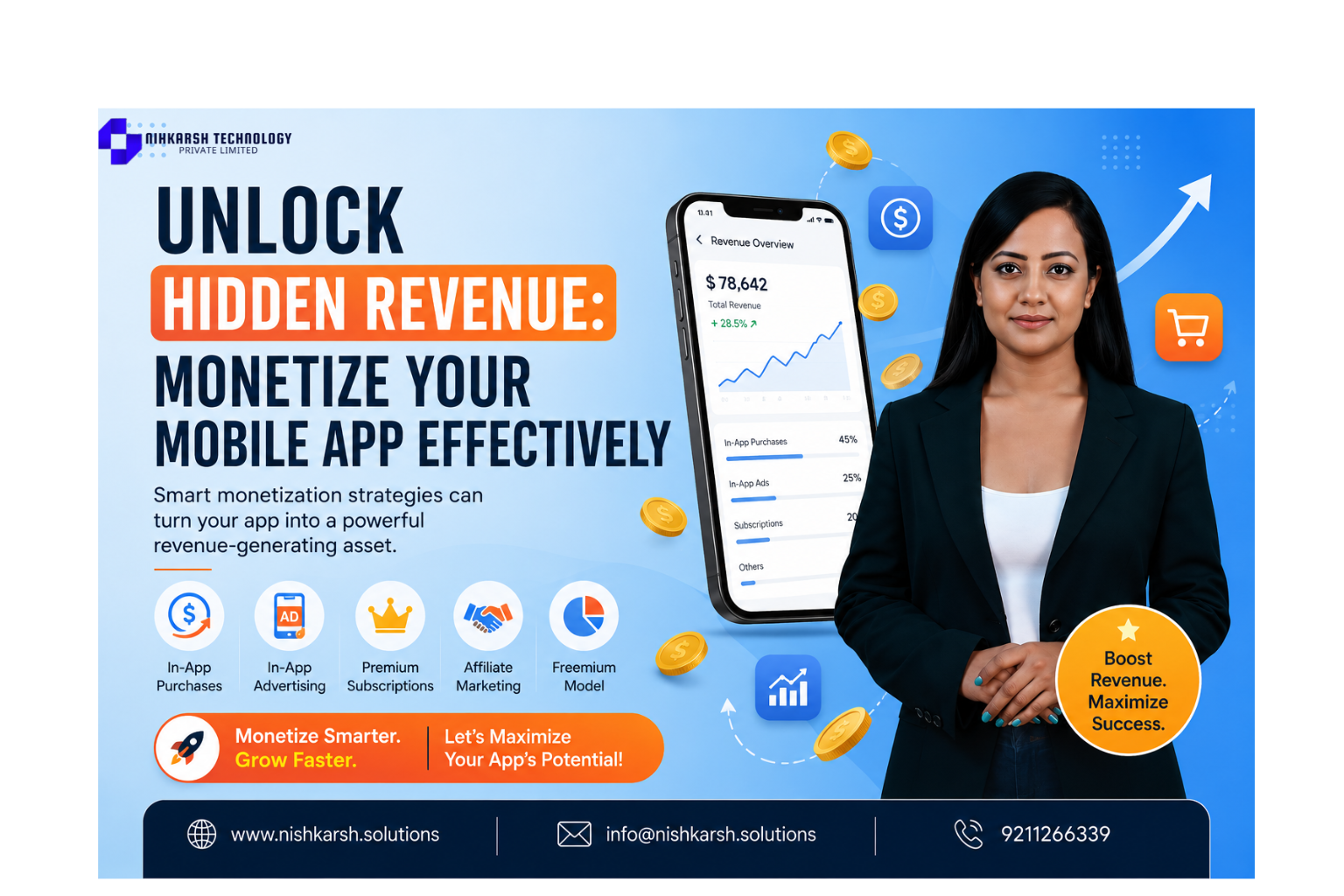
How to Monetize Your Mobile App Effectively
In the rapidly evolving landscape of mobile app development, monetization strategies are as diverse as the apps themselves. By 2026, mobile apps have become integral to our daily lives, and with the increasing number of users, the potential for monetization is immense. Whether you're a seasoned developer or just starting out, understanding the latest trends and strategies can help you turn your app into a profitable venture. Let's dive into how you can monetize your mobile app effectively.
Understanding Mobile App Monetization
Monetizing a mobile app involves generating revenue through various methods. These can range from in-app purchases and subscriptions to advertising and partnerships. The key is to identify the most suitable strategy that aligns with your app's goals and user base. By 2026, the mobile app market is expected to reach unprecedented heights, with users spending more time and money on apps than ever before.
In-App Purchases
In-app purchases (IAP) remain one of the most popular and effective ways to monetize mobile apps. This method allows users to purchase additional content, features, or services within the app. Examples include buying virtual items in games, premium subscriptions for news apps, or purchasing additional levels in educational apps.
Advantages of In-App Purchases
- Highly targeted and relevant to the user's interests
- Can be integrated seamlessly into the user experience
- Provides a steady stream of revenue
Best Practices for IAP
- Offer a free trial period to encourage users to try premium features
- Provide clear and compelling value propositions for each purchase
- Regularly update and introduce new IAP options to keep users engaged
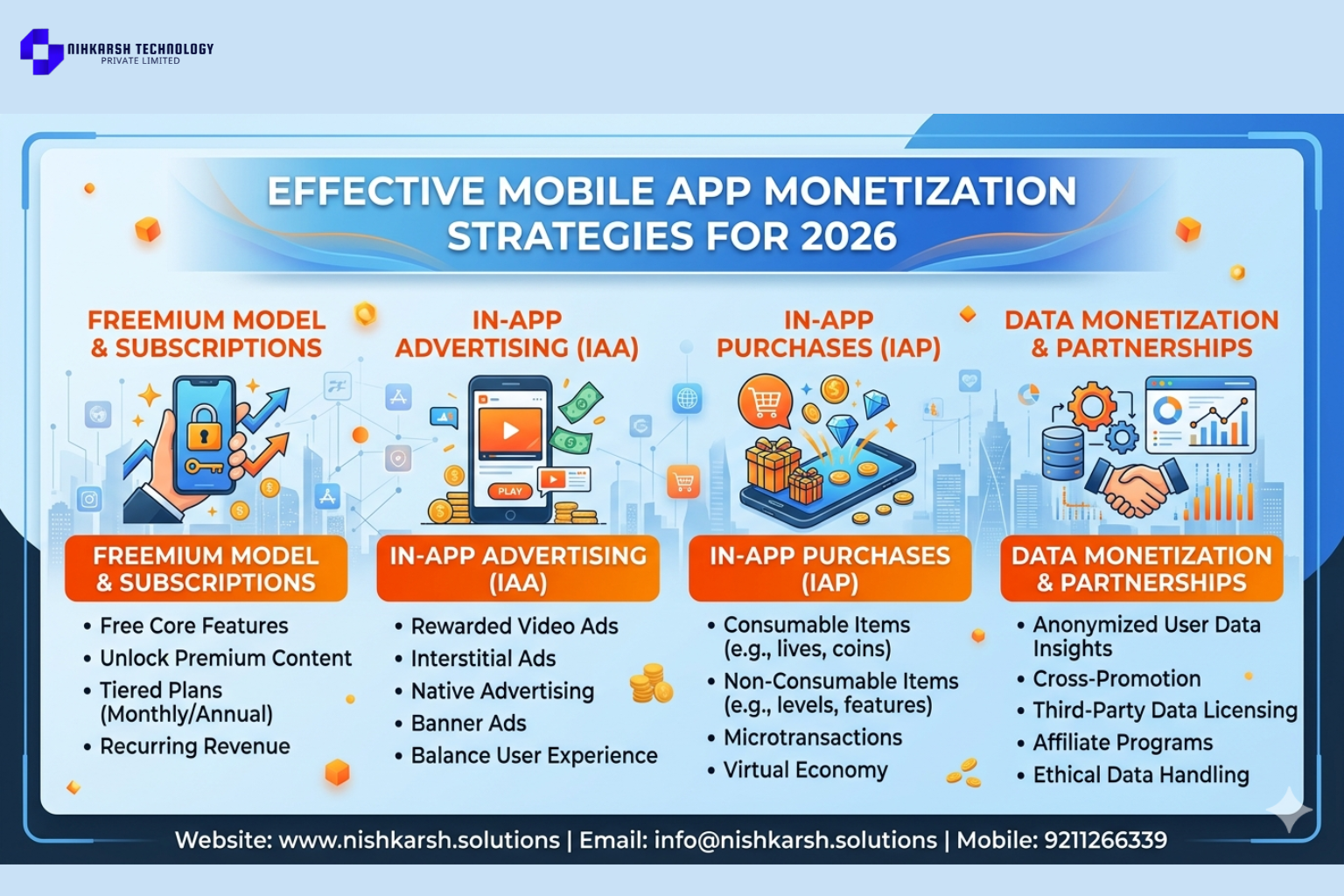
Subscriptions
Subscription-based models have gained significant traction in recent years. Users pay a recurring fee to access premium content or features. This model is particularly effective for apps that provide continuous value, such as streaming services, fitness apps, or educational platforms.
Advantages of Subscriptions
- Predictable and steady revenue stream
- Encourages long-term user engagement and loyalty
- Reduces the need for frequent IAPs
Best Practices for Subscriptions
- Offer multiple subscription tiers to cater to different user needs
- Provide a free trial to test the waters
- Regularly update and add new content to keep subscribers engaged
Advertising
Advertising is another prevalent monetization method, especially for free-to-use apps. By 2026, mobile advertising is expected to reach new heights, with advanced targeting and personalized ad experiences becoming the norm. Popular ad networks include Google AdMob, Unity Ads, and Facebook Audience Network.
Advantages of Advertising
- Low barrier to entry for developers
- Can reach a wide audience with minimal effort
- Potential for high CPMs (cost per mille)
Best Practices for Advertising
- Use native ads to blend seamlessly with the app's content
- Implement ad personalization to increase engagement
- Regularly test and optimize ad placements
Partnerships and Sponsorships
Collaborating with brands or companies can open up new revenue streams. Partnerships and sponsorships allow you to monetize your app through branded content, promotions, or exclusive deals. This method is particularly effective for niche apps with a dedicated user base.
Advantages of Partnerships
- Targeted and high-value audience
- Potential for long-term, stable revenue
- Enhanced brand visibility for both parties
Best Practices for Partnerships
- Identify and target brands that align with your app's theme
- Create compelling value propositions for both parties
- Regularly review and renew partnerships for optimal results
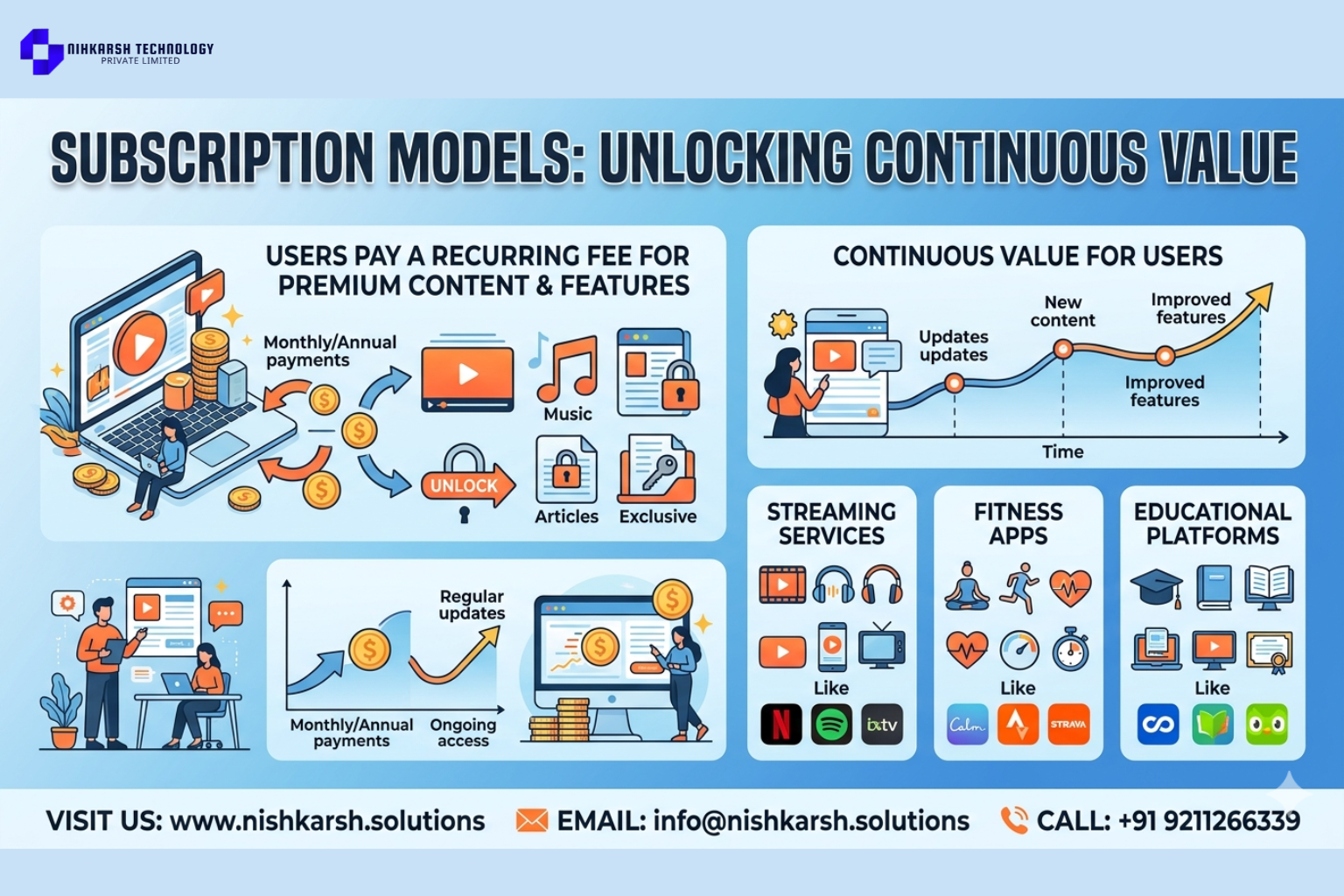
Data Monetization
By 2026, data has become a valuable commodity. Mobile apps collect vast amounts of user data, which can be monetized through data analytics, user insights, and targeted advertising. Companies like Appsflyer and Adjust specialize in helping developers monetize their data effectively.
Advantages of Data Monetization
- High potential for revenue generation
- Provides valuable insights into user behavior
- Can be combined with other monetization strategies
Best Practices for Data Monetization
- Ensure user privacy and compliance with data protection regulations
- Anonymize and aggregate data to maintain user privacy
- Regularly update and improve data collection methods
Affiliate Marketing
Affiliate marketing involves promoting other companies' products and earning a commission for each sale made through your referral link. This method is effective for apps that provide recommendations, reviews, or comparisons, such as travel apps, e-commerce platforms, or recipe apps.
Advantages of Affiliate Marketing
- Passive income with minimal effort
- Can be combined with other monetization strategies
- High potential for revenue with low risk
Best Practices for Affiliate Marketing
- Choose reputable affiliate programs
- Promote high-quality products and services
- Regularly update and optimize your affiliate links
Freemium Model
The freemium model combines free and premium features, allowing users to access basic functionality for free while offering advanced features for a fee. This model is popular for apps like social media platforms, productivity tools, and gaming apps.
Advantages of the Freemium Model
- Attracts a large user base
- Can be combined with other monetization strategies
- Encourages user engagement and loyalty
Best Practices for the Freemium Model
- Provide a clear value proposition for premium features
- Offer a free trial period to encourage users to try premium features
- Regularly update and introduce new features to keep users engaged
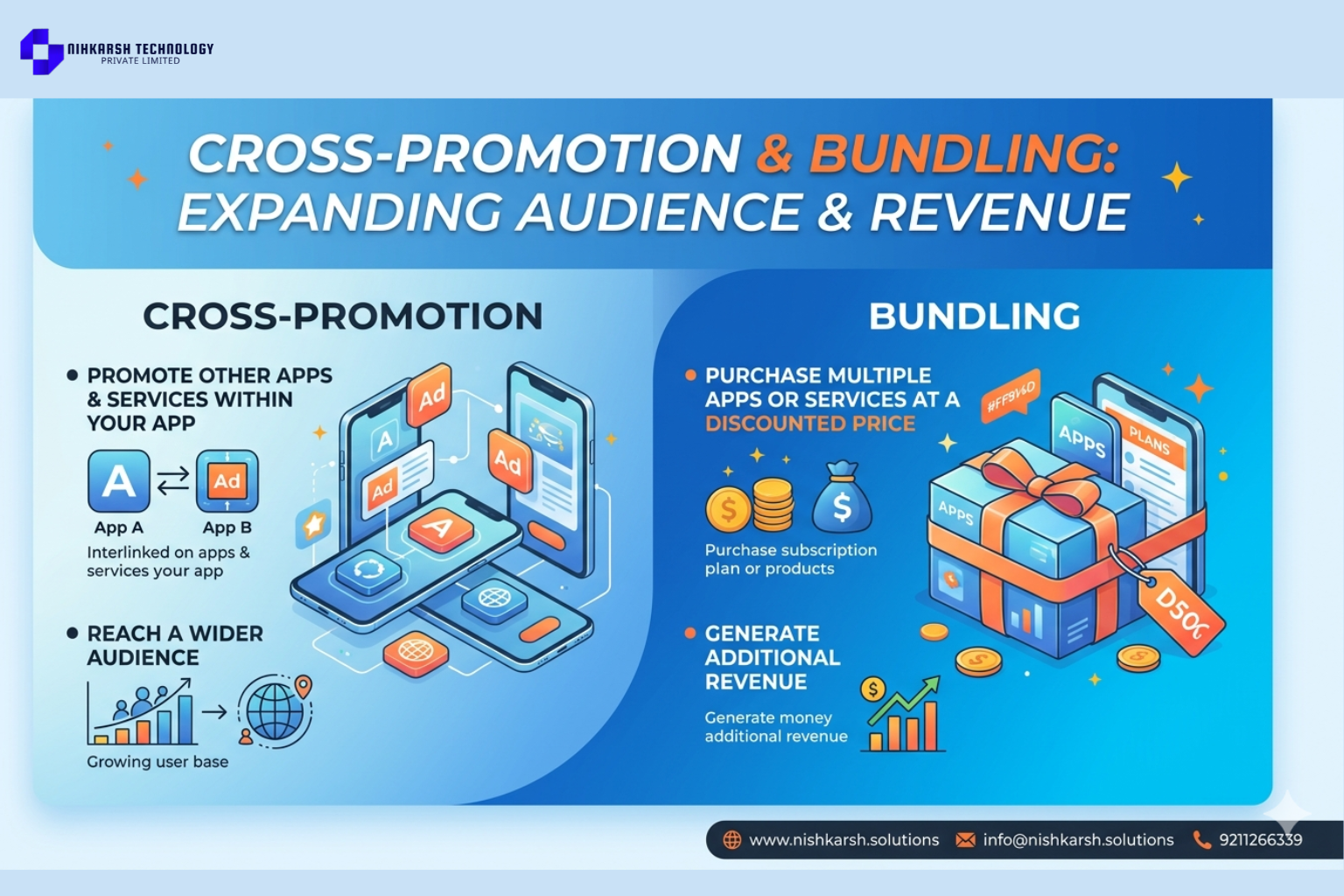
Cross-Promotion and Bundling
Cross-promotion involves promoting other apps or services within your app, while bundling allows users to purchase multiple apps or services at a discounted price. These strategies can help you reach a wider audience and generate additional revenue.
Advantages of Cross-Promotion and Bundling
- Increases user engagement and retention
- Can be combined with other monetization strategies
- High potential for revenue generation
Best Practices for Cross-Promotion and Bundling
- Choose complementary apps or services for cross-promotion
- Offer attractive discounts and bundles to encourage purchases
- Regularly update and optimize your cross-promotion and bundling strategies
Conclusion
Monetizing a mobile app effectively requires a strategic approach that aligns with your app's goals and user base. By 2026, the mobile app market is expected to continue growing, offering numerous opportunities for developers to generate revenue. Whether through in-app purchases, subscriptions, advertising, partnerships, data monetization, affiliate marketing, the freemium model, or cross-promotion and bundling, there are numerous ways to turn your app into a profitable venture.
Remember, the key to success is to stay informed about the latest trends and best practices, continuously test and optimize your monetization strategies, and prioritize user experience and engagement. With the right approach, you can turn your mobile app into a thriving business.
Stay tuned for more insights on mobile app development and monetization in the ever-evolving tech landscape!