
Boost User Engagement with Push Notifications
How Push Notifications Can Boost User Engagement
In the digital landscape of 2026, user engagement has become a critical metric for businesses and app developers alike. With the proliferation of mobile apps and the increasing competition for user attention, finding effective ways to engage users has never been more important. One powerful tool that has emerged as a game-changer in this regard is push notifications. Let's dive into how push notifications can boost user engagement and explore the latest trends and best practices.
Introduction to Push Notifications
Push notifications are alerts sent from a server to a user's device. They appear as pop-ups on the user's screen, even when the app is not in use, making them a highly effective way to keep users engaged. In 2026, push notifications have evolved beyond simple alerts to become sophisticated tools that can deliver personalized content, offer exclusive deals, and even facilitate real-time interactions.
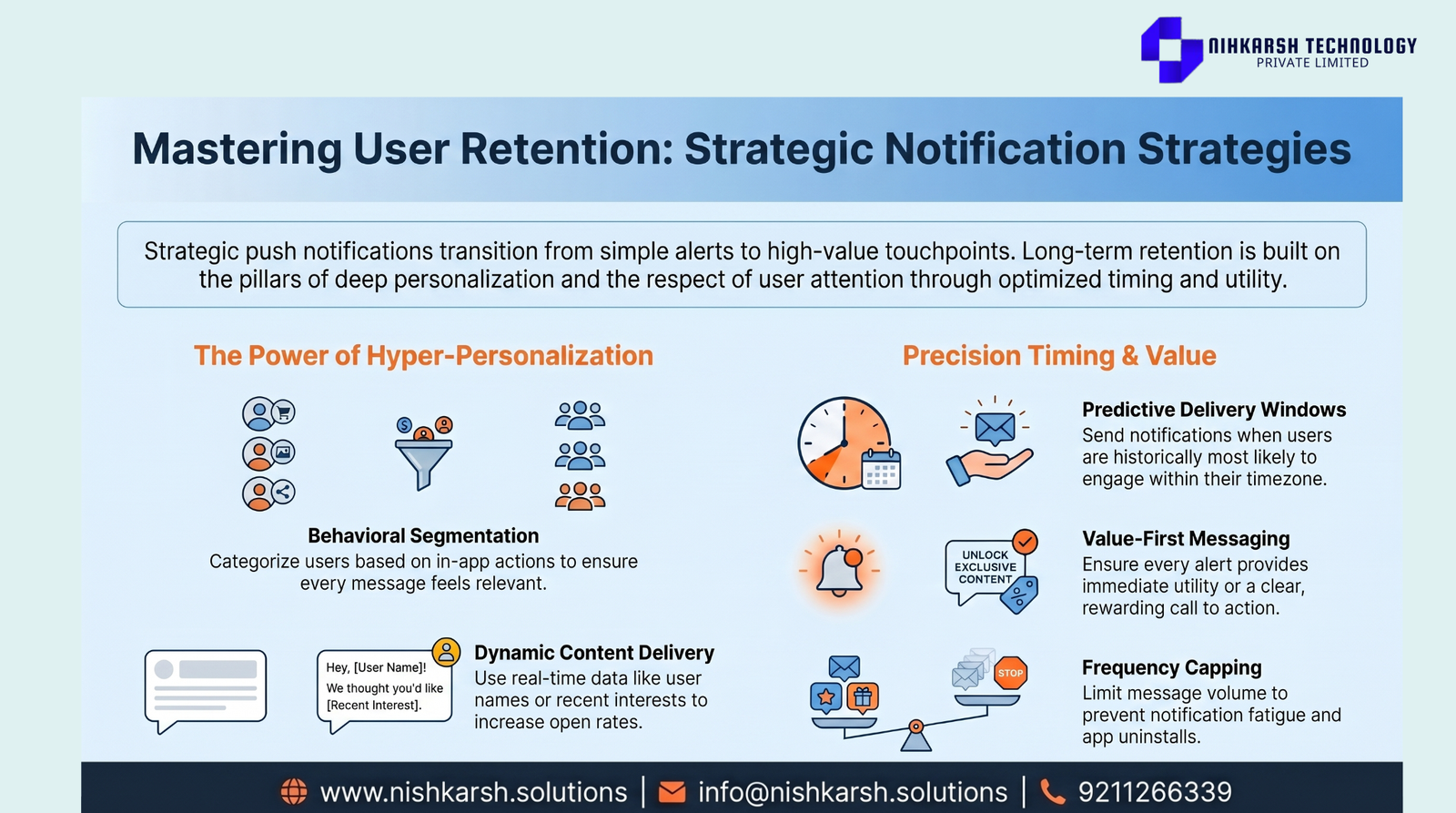
With the rise of AI and machine learning, push notifications are now capable of understanding user behavior and preferences, allowing for highly targeted and relevant content delivery. This level of personalization is crucial in an era where users expect seamless and tailored experiences.
The Evolution of Push Notifications
Over the past decade, push notifications have transformed from basic alerts to sophisticated marketing tools. In 2026, they are integrated into almost every aspect of digital communication. From e-commerce platforms offering exclusive discounts to news apps providing breaking news alerts, push notifications have become indispensable.
One of the key evolutions is the shift towards interactive notifications. Users can now respond directly to notifications, making them more than just alerts; they are interactive elements of the user experience. This interactivity has significantly enhanced user engagement, as users feel more connected to the brand.
Types of Push Notifications
Push notifications come in various forms, each serving different purposes. Here are some of the most common types:
- Transactional Notifications: These are essential alerts that inform users about important actions within the app, such as order confirmations, shipping updates, or password resets.
- Promotional Notifications: These are used to promote new features, products, or services. They can include discounts, special offers, and new content announcements.
- Engagement Notifications: These notifications are designed to keep users engaged with the app. They can include tips, updates, and interactive content.
- Interactive Notifications: These notifications allow users to perform actions directly from the notification, such as replying to a message or making a purchase.
Each type plays a crucial role in enhancing user engagement, and understanding their nuances is key to effective notification strategy.
Best Practices for Effective Push Notifications
To maximize the impact of push notifications, it's essential to follow best practices. Here are some key guidelines:
- Personalization: Use data analytics to tailor notifications to individual user preferences and behaviors. Personalized messages are more likely to be engaging and relevant.
- Timing: Send notifications at optimal times when users are most likely to engage. This often means avoiding peak hours and sending during off-peak times when users are more receptive.
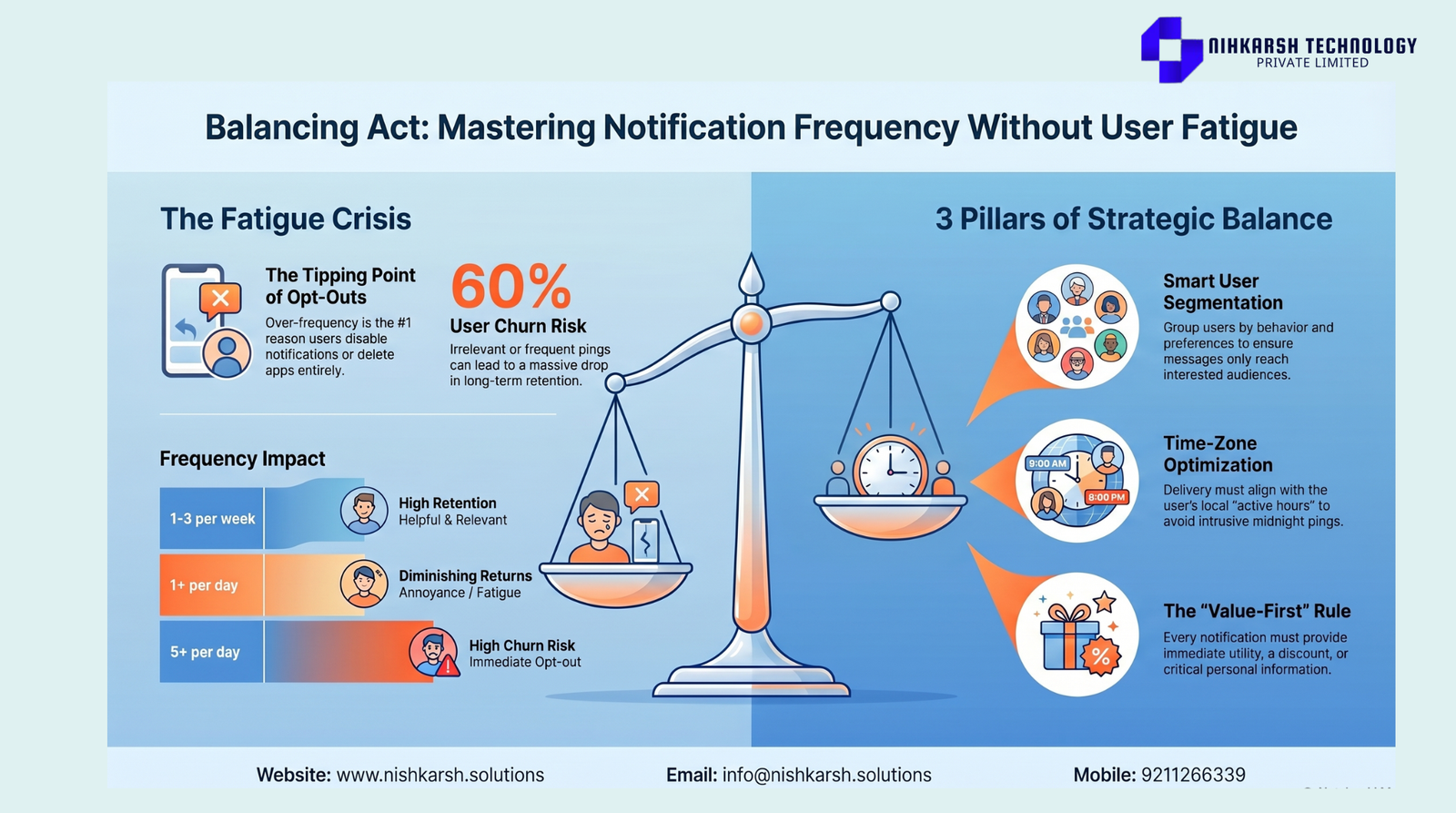
- Frequency: Balance the frequency of notifications to avoid overwhelming users. Too many notifications can lead to fatigue and decreased engagement.
- Relevance: Ensure that notifications are relevant to the user's interests and actions within the app. Irrelevant notifications can lead to user frustration and decreased engagement.
Technological Advancements in Push Notifications
Advances in technology have significantly enhanced the capabilities of push notifications. In 2026, push notifications are powered by AI and machine learning, allowing for real-time, data-driven insights. This technology enables notifications to be more predictive and adaptive, ensuring they are always relevant and engaging.
For instance, AI can analyze user behavior to predict when a user is likely to need a specific service or product, allowing for proactive notifications that enhance user experience. This level of intelligence is a significant leap from the static notifications of the past.
Case Studies: Successful Push Notification Strategies
Several companies have successfully implemented push notifications to boost user engagement. Let's look at a few case studies:
- Uber: Uber uses push notifications to send real-time updates on ride status, estimated arrival times, and even offers. These notifications keep users informed and engaged, leading to higher satisfaction and loyalty.
- Netflix: Netflix employs personalized recommendations through push notifications. Users receive suggestions based on their viewing history and preferences, which keeps them engaged and encourages continued use.
- Starbucks: Starbucks uses push notifications to offer exclusive deals and loyalty rewards. These notifications not only drive sales but also create a sense of exclusivity and loyalty among users.
These examples illustrate how effective push notification strategies can drive significant business outcomes.
The Future of Push Notifications
The future of push notifications is bright, with continuous innovation and integration into various aspects of digital life. As technology advances, we can expect even more sophisticated and personalized experiences. For instance, voice-activated devices and augmented reality (AR) could make push notifications even more immersive and interactive.
Additionally, the integration of push notifications with other technologies like IoT (Internet of Things) will open up new possibilities. For example, smart home devices could send notifications based on real-time data from sensors, enhancing user convenience and engagement.
Challenges and Ethical Considerations
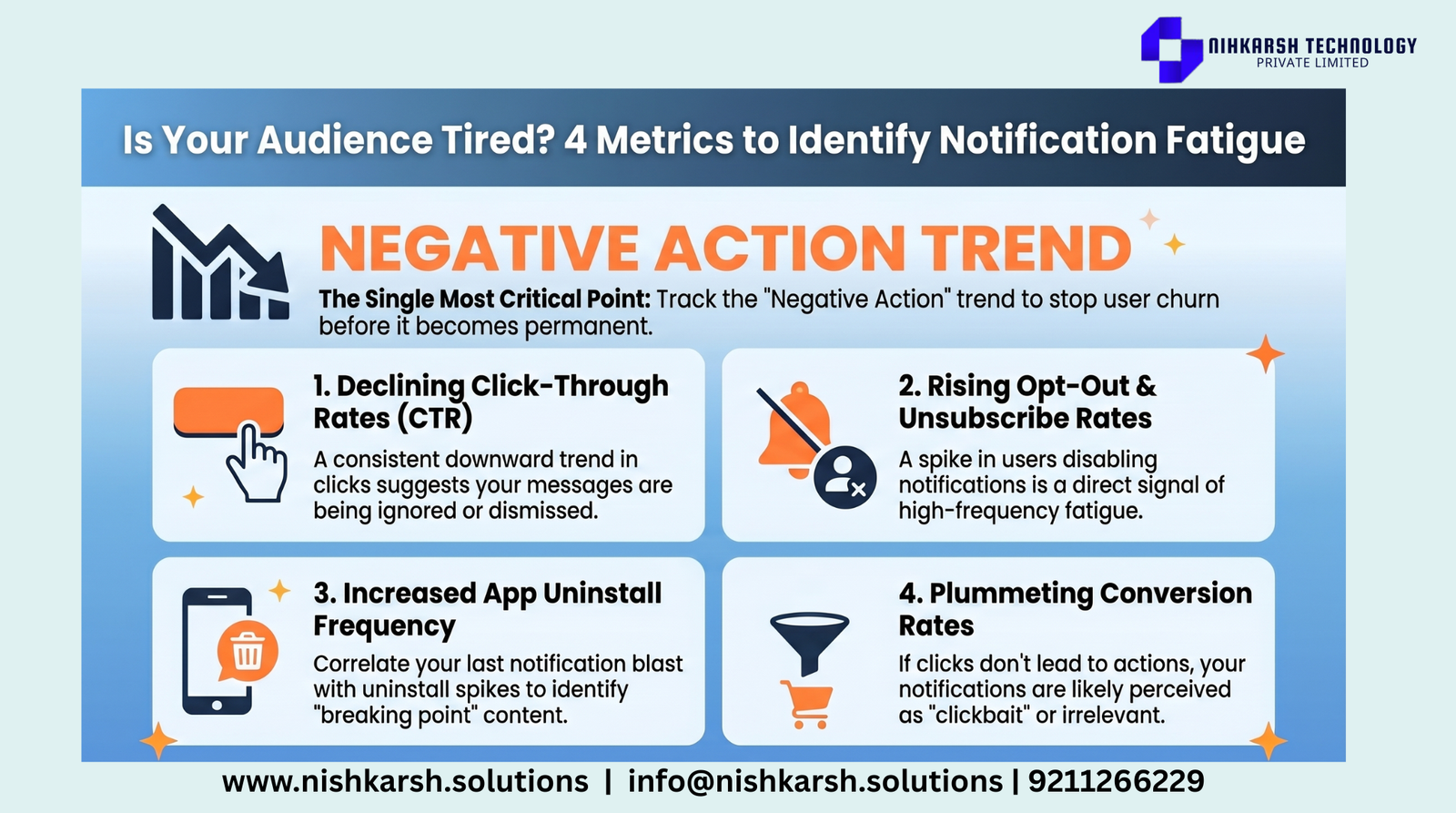
While push notifications offer numerous benefits, they also come with challenges and ethical considerations. One of the primary concerns is user privacy. Overuse of push notifications can lead to user fatigue and even annoyance. It's crucial to strike a balance and ensure that notifications are opt-in and user-consented.
Another challenge is the potential for spam. Irrelevant or excessive notifications can lead to decreased engagement and even user distrust. Therefore, it's essential to implement robust filtering and personalization techniques to ensure notifications are relevant and valuable.
Conclusion
Push notifications have evolved from simple alerts to powerful tools for enhancing user engagement. With the integration of AI, machine learning, and other advanced technologies, push notifications are becoming increasingly sophisticated and personalized. By following best practices and staying updated with the latest trends, businesses can leverage push notifications to drive significant engagement and business outcomes.
As we move forward, the future of push notifications looks promising, with continuous innovation and integration into various aspects of digital life. However, it's essential to address challenges and ethical considerations to ensure that push notifications remain a valuable and trusted tool for user engagement.
In conclusion, push notifications are a must-have tool for any business looking to enhance user engagement. With the right strategy and technology, they can drive significant business outcomes and create a more engaging user experience.