
Unlock 2025 PPC Predictions: The Future of Paid Advertising
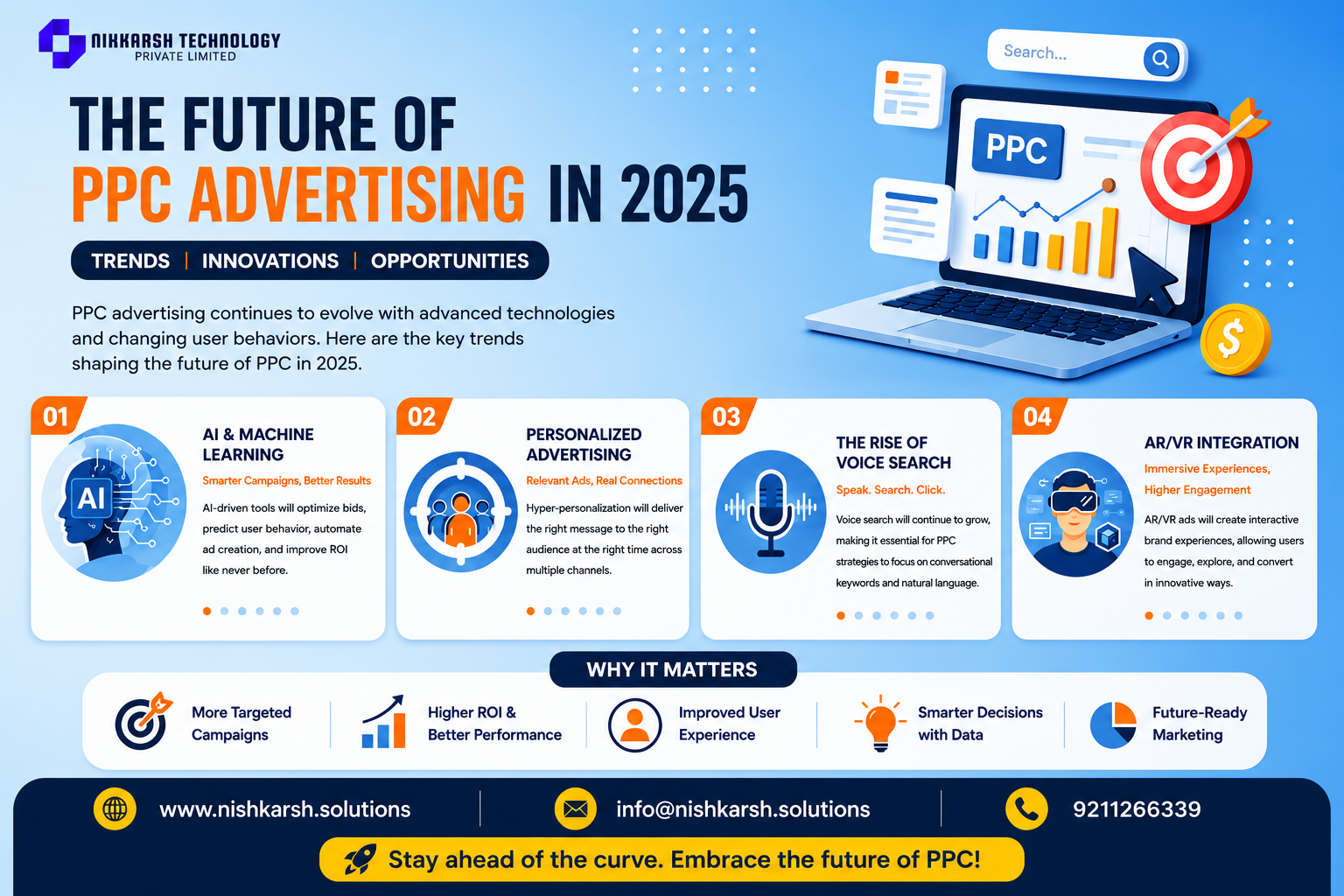
Future of PPC: What to Expect from Paid Advertising in 2025
In the ever-evolving landscape of digital marketing, Pay-Per-Click (PPC) advertising remains a cornerstone strategy for businesses aiming to reach their target audience. As we step into 2026, the future of PPC is poised to bring several transformative changes. This blog post delves into what to expect from PPC advertising in 2025 and beyond, providing insights and strategies to stay ahead of the curve.
In-Depth Introduction
PPC advertising has been a game-changer for marketers since its inception. By allowing businesses to pay for ad space only when a user clicks on their ad, PPC offers a highly targeted and measurable approach to digital marketing. As we look ahead to 2025, several trends and innovations are set to shape the future of PPC. This post will explore key areas such as AI and machine learning, personalized advertising, the rise of voice search, and the integration of AR/VR technologies.
AI and Machine Learning: The New Powerhouse
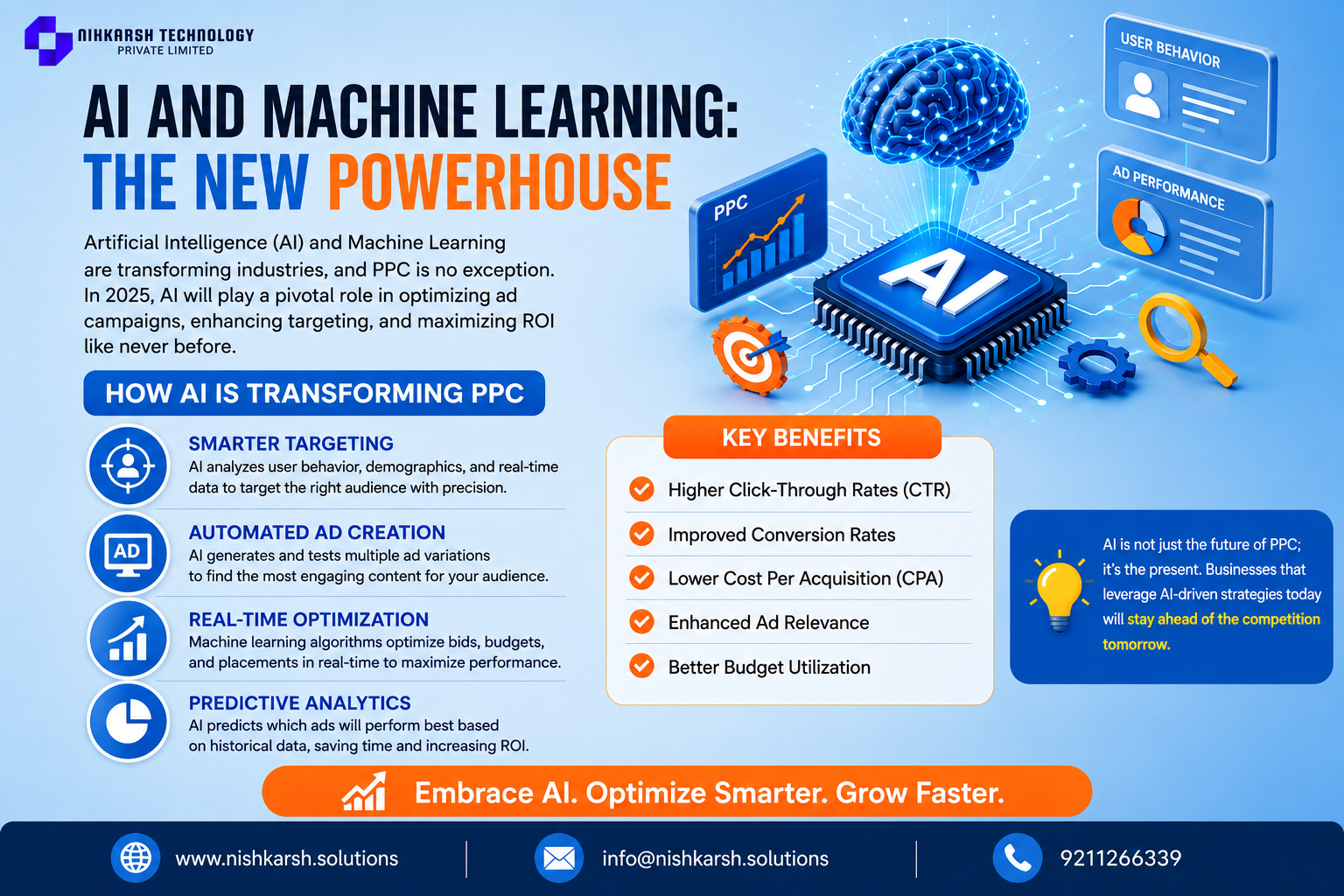
Artificial Intelligence (AI) and machine learning are already transforming various industries, and PPC is no exception. In 2025, AI will play a pivotal role in optimizing ad campaigns. Machine learning algorithms will analyze vast amounts of data to predict user behavior, optimize ad placements, and even create personalized ad content. For instance, AI can predict which ads will perform best based on user demographics, browsing history, and real-time data.
Companies like Google and Facebook are already investing heavily in AI for PPC. Google's AI-driven ad platform, for example, can now create and optimize ads in real-time, ensuring that ads are not only relevant but also highly engaging.
Personalized Advertising: Tailoring Experiences
Personalization is the key to effective marketing, and PPC is no different. In 2025, personalized advertising will reach new heights. PPC platforms will leverage AI to deliver ads that are tailored to individual users based on their browsing history, purchase behavior, and even their emotional state. This level of personalization will not only increase engagement but also boost conversion rates.
For example, a retailer might use AI to create personalized product recommendations for users who have shown interest in specific categories. These recommendations can be delivered through PPC ads, ensuring that users see products that are most relevant to them.
The Rise of Voice Search: A New Channel for PPC
Voice search has already begun to disrupt traditional search methods, and its impact on PPC is set to be significant. By 2025, voice search will be a primary method for users to interact with digital content. PPC platforms will need to adapt by optimizing for voice search queries. This includes creating ads that are optimized for voice-activated devices and ensuring that ad content is concise and easy to understand.
For instance, a local business might create a PPC ad that is specifically designed to be read aloud by voice assistants. The ad could include clear, concise language and relevant keywords to ensure it appears in voice search results.
Integration of AR/VR Technologies
Augmented Reality (AR) and Virtual Reality (VR) are poised to revolutionize the way we interact with digital content. In 2025, PPC ads will increasingly incorporate AR and VR technologies to create immersive and engaging experiences. For example, a furniture retailer might use AR to allow users to visualize how a piece of furniture would look in their own space before making a purchase.
This integration will not only enhance user experience but also drive higher conversion rates. PPC platforms will need to adapt by creating ads that are optimized for AR and VR, ensuring that users have a seamless and engaging experience.
Data Privacy and Security: A New Paradigm
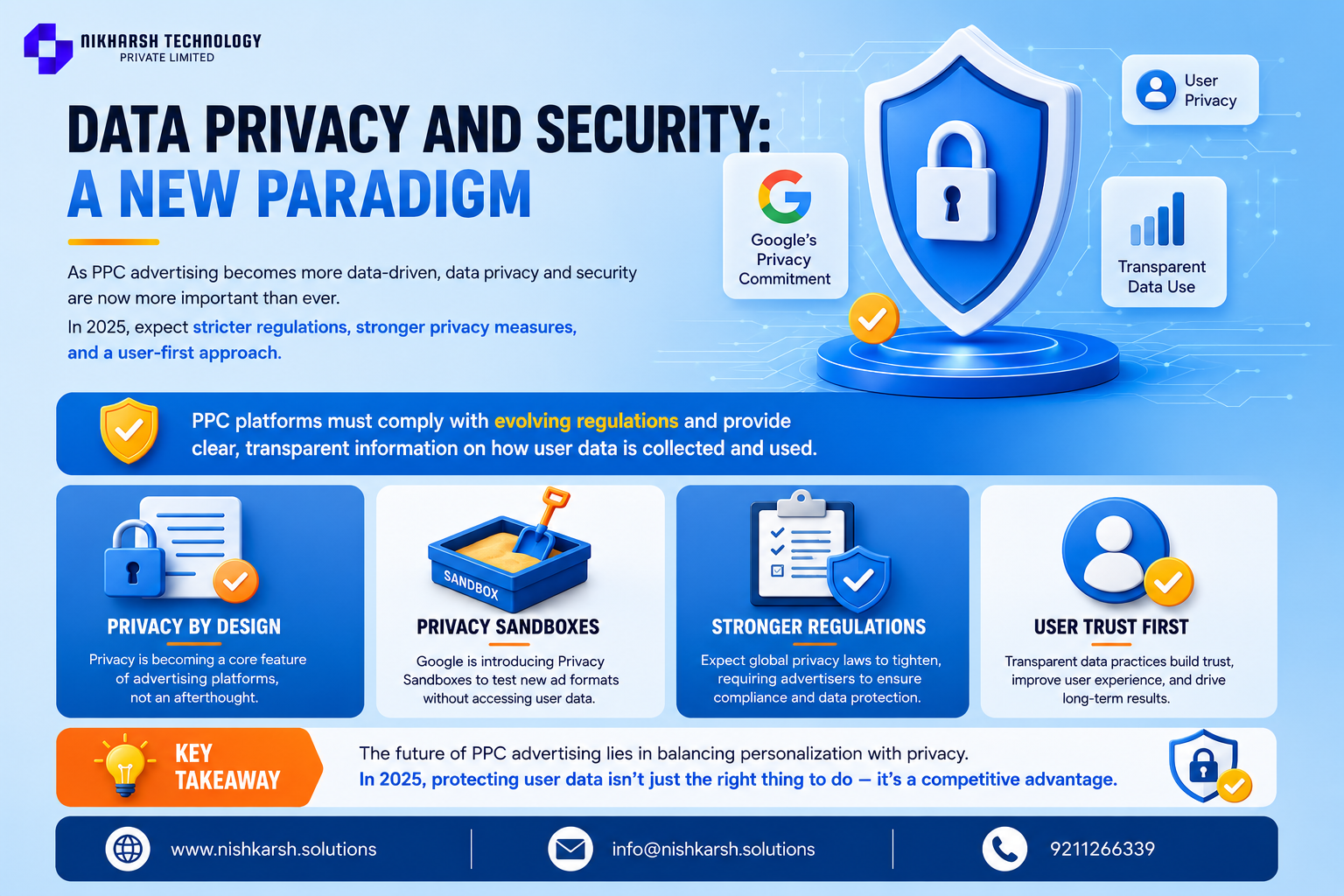
As PPC advertising becomes more data-driven, the issue of data privacy and security will become increasingly important. In 2025, expect to see stricter regulations and more robust privacy measures. PPC platforms will need to ensure that they comply with these regulations and provide users with clear and transparent information about how their data is being used.
For instance, Google has already announced plans to make privacy a core feature of its advertising platform. This includes features like privacy sandboxes, which allow advertisers to test new ad formats without accessing user data.
The Role of Programmatic Advertising
Programmatic advertising will continue to play a crucial role in PPC. By automating the buying and selling of ad inventory, programmatic advertising allows for real-time bidding and targeted ad placement. In 2025, expect to see even more sophisticated programmatic platforms that can handle complex ad campaigns with ease.
For example, a large retailer might use a programmatic platform to manage its entire ad campaign across multiple channels. The platform can automatically optimize ad placements based on real-time data, ensuring that the campaign is always running at peak efficiency.
Social Media Integration: A New Frontier
Social media platforms are increasingly becoming a key part of PPC strategies. In 2025, expect to see more integration between social media and PPC platforms. This includes features that allow advertisers to create and manage ads across multiple social media channels from a single platform.
For instance, a brand might use a PPC platform to create a single ad that can be published across Facebook, Instagram, and Twitter. The platform can then track performance and optimize the ad across all channels.
Mobile-First and Cross-Device Advertising
With the rise of mobile devices, mobile-first and cross-device advertising will become even more important. In 2025, PPC platforms will need to ensure that ads are optimized for mobile devices and that user experiences are seamless across all devices. This includes creating ads that are responsive and adaptable to different screen sizes and orientations.
For example, a travel agency might create a PPC ad that is optimized for mobile devices. The ad could include interactive elements, such as a map or a calendar, that allow users to interact with the ad directly on their mobile device.
The Future of PPC: A Comprehensive Conclusion
As we look ahead to 2025, the future of PPC advertising is bright and full of possibilities. With the integration of AI, AR, VR, and programmatic advertising, PPC will become even more powerful and effective. However, it will also require marketers to adapt and evolve their strategies to stay ahead of the curve.
Personalization, voice search, and data privacy will all play crucial roles in shaping the future of PPC. Marketers who embrace these trends and innovations will be best positioned to succeed in 2025 and beyond. By staying informed and proactive, businesses can ensure that their PPC strategies remain effective and relevant in the ever-changing digital landscape.
In conclusion, the future of PPC is exciting and full of potential. With the right strategies and innovations, businesses can harness the power of PPC to drive growth and success in 2025 and beyond.