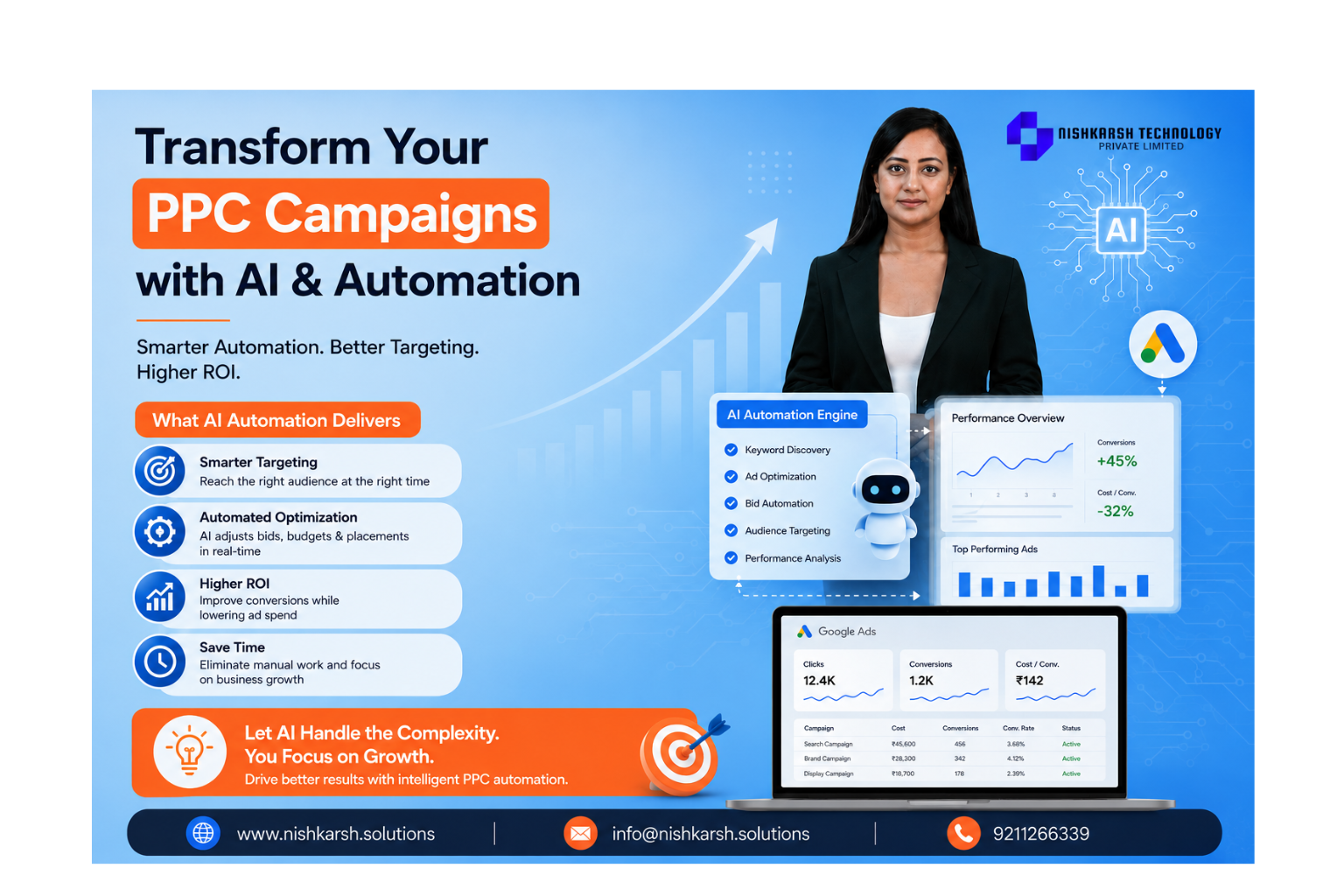
Transform Your PPC with AI and Automation
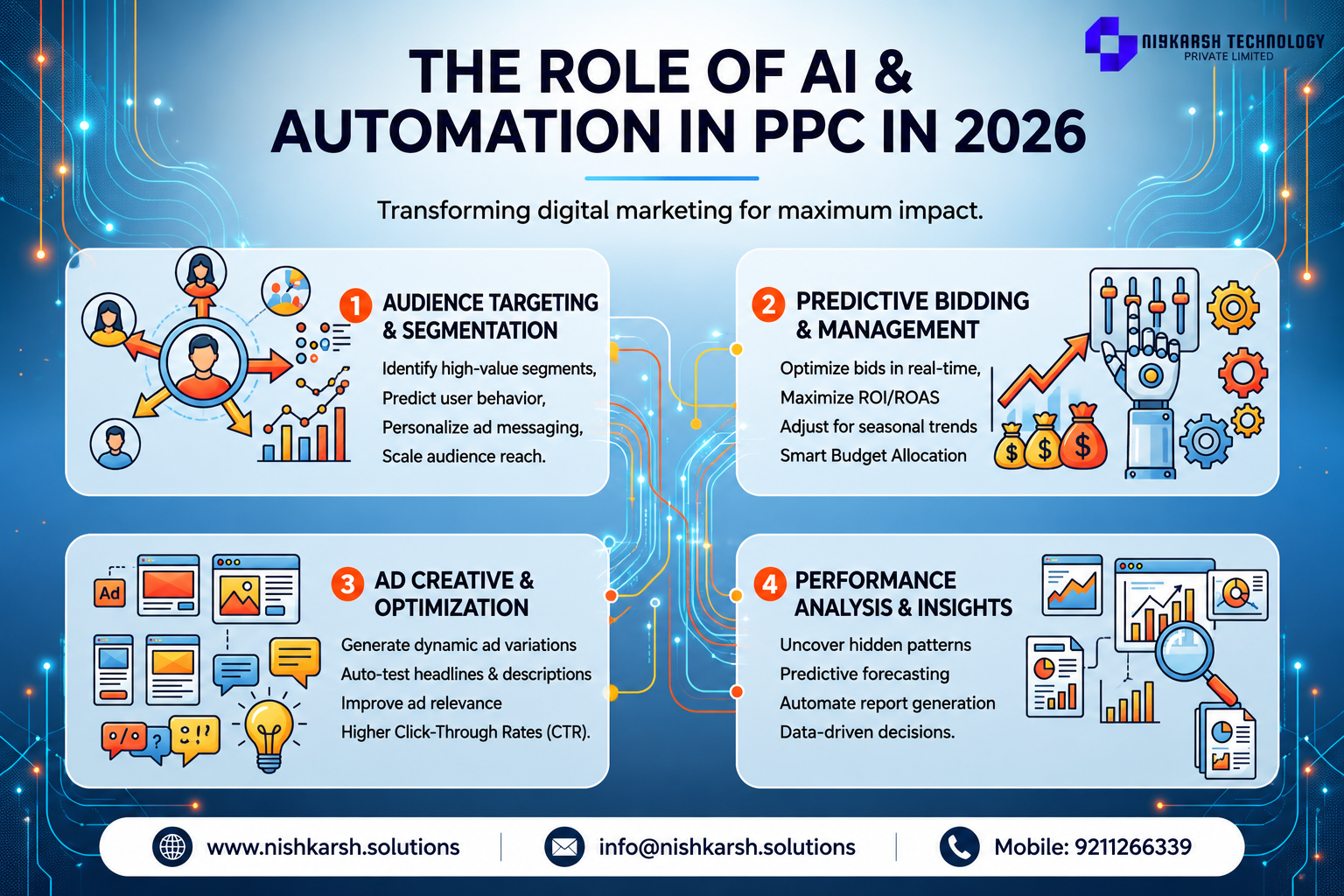
The Role of AI and Automation in PPC
In the rapidly evolving landscape of digital marketing, Pay-Per-Click (PPC) advertising has become a cornerstone strategy for businesses aiming to reach their target audience. As we step into 2026, the integration of Artificial Intelligence (AI) and automation in PPC is not just a trend but a necessity. This post delves into the transformative role of AI and automation in PPC, exploring how these technologies are reshaping the way marketers optimize their campaigns for maximum impact.
Introduction to AI and Automation in PPC
AI and automation in PPC advertising are not just about efficiency; they are about precision and scale. AI-driven tools can analyze vast amounts of data in real-time, making data-driven decisions that traditional methods cannot. Automation, on the other hand, ensures that these decisions are executed flawlessly, without human intervention. Together, they form a powerful duo that can significantly enhance PPC campaign performance.
The Evolution of PPC
Over the past decade, PPC has evolved from a simple cost-per-click model to a complex ecosystem that includes search engines, display networks, and social media platforms. This evolution has been driven by the need for more targeted and effective advertising. AI and automation are the latest tools in this evolution, promising to make PPC even more powerful and efficient.
AI-Driven Keyword Research
Keyword research is the backbone of any successful PPC campaign. Traditionally, this involved manual effort and intuition. However, AI has revolutionized this process. Tools like Google's AI-driven Keyword Planner and third-party platforms like SEMrush and Ahrefs use machine learning algorithms to predict search trends, identify high-performing keywords, and suggest relevant long-tail keywords. This not only saves time but also ensures that the campaign is always optimized for the latest search patterns.
For example, an AI-driven keyword research tool might suggest "best electric cars 2026" instead of the more generic "electric cars," based on current search trends and the likelihood of conversion.
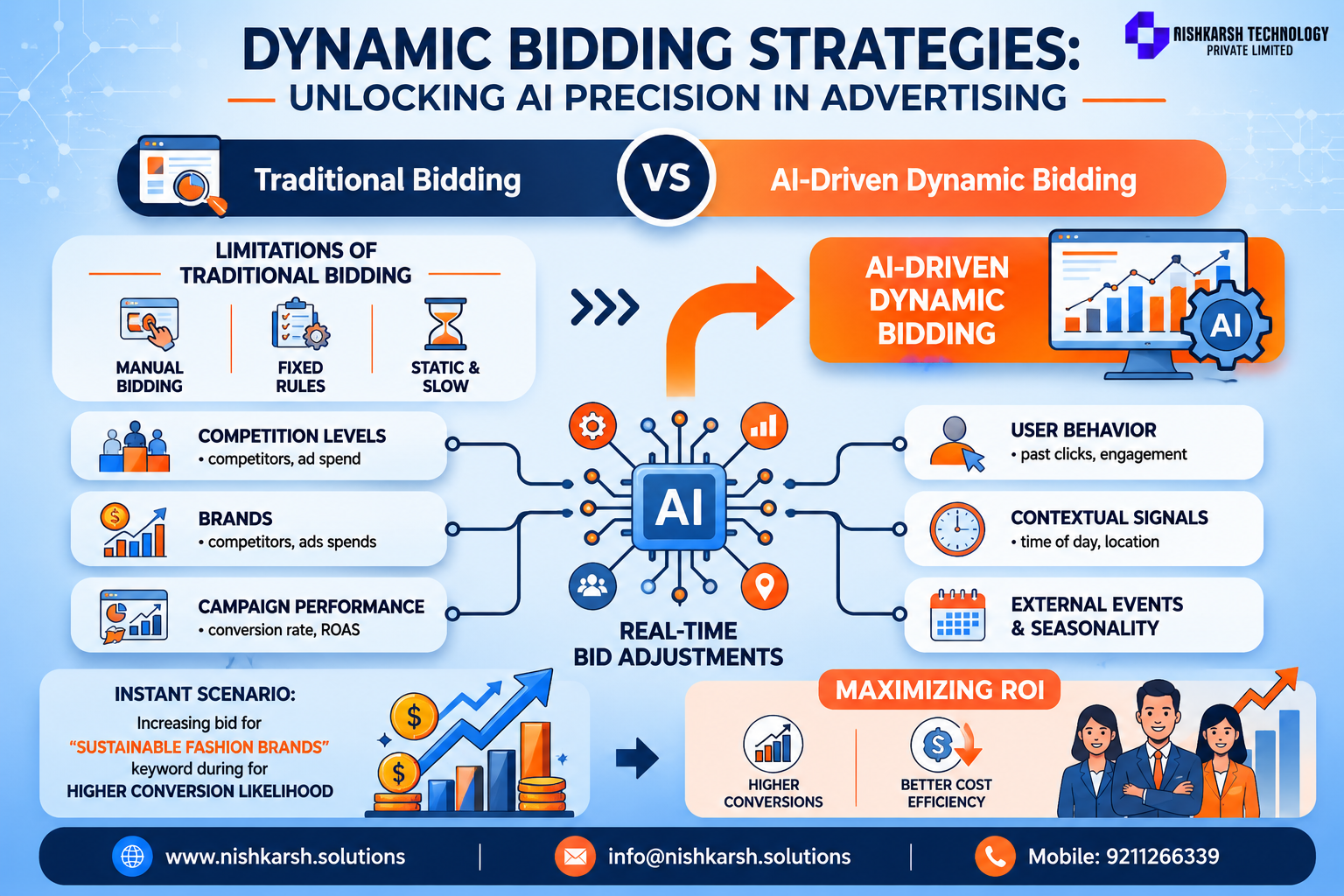
Dynamic Bidding Strategies
Dynamic bidding strategies are another area where AI excels. Traditional bidding strategies, such as manual bidding or even automated bidding based on fixed rules, can be limiting. AI-driven dynamic bidding strategies, on the other hand, can adjust bids in real-time based on a multitude of factors, including competition, user behavior, and campaign performance. This ensures that the most relevant ads are shown to the most likely converts, maximizing ROI.
For instance, an AI might increase the bid for a keyword "sustainable fashion brands" during Earth Day, knowing that there is a higher likelihood of conversion during this period.
Ad Creative Optimization
Ad creatives are a critical component of any PPC campaign. AI can analyze the performance of different ad creatives and suggest optimizations. Tools like Google's AI-driven ad creative optimization feature can test various ad headlines, descriptions, and images, and recommend the best-performing combinations. This ensures that the ads are always compelling and relevant to the audience.
For example, an AI might suggest changing the ad headline from "Buy Now!" to "Limited Time Offer!" based on performance data.
Predictive Analytics
Predictive analytics is another powerful application of AI in PPC. By analyzing historical data and current trends, AI can predict future performance. This allows marketers to proactively adjust their strategies before issues arise. For instance, if historical data shows that a campaign performs better during certain times of the day, AI can suggest scheduling the ads during those times.
For example, an AI might predict a surge in searches for "holiday gifts" in the lead-up to Christmas, allowing the marketer to adjust the campaign accordingly.
Automated Campaign Management
Automation extends beyond bidding and creative optimization. It also includes campaign management. Automated tools can manage campaigns from end to end, including setting up new campaigns, monitoring performance, and making adjustments. This frees up marketers to focus on higher-level strategic decisions rather than mundane tasks.
For instance, an automated tool might set up a new campaign for a new product launch, optimize it based on initial performance data, and then hand it over to the marketer for further refinement.
Personalized Advertising
Personalized advertising is a game-changer in PPC. AI can analyze user behavior and preferences to deliver highly targeted ads. This not only increases the likelihood of conversion but also enhances the user experience. For example, an AI might suggest showing an ad for "organic skincare" to a user who has been searching for natural beauty products.
For instance, an AI might show an ad for "sustainable fashion brands" to a user who has been searching for eco-friendly clothing.
Challenges and Considerations
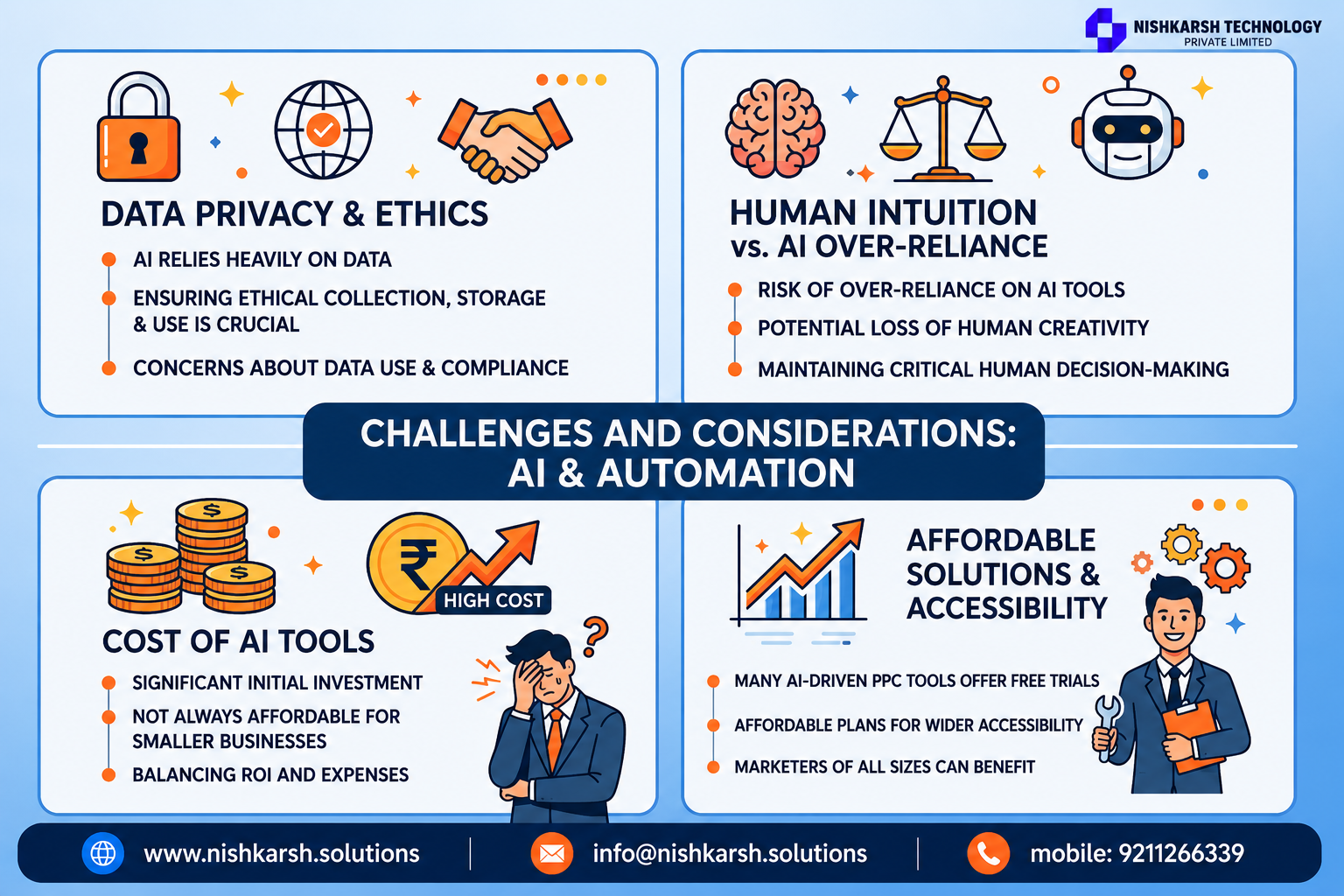
While AI and automation offer numerous benefits, they also present challenges. One of the biggest concerns is data privacy. AI relies heavily on data, and ensuring that this data is collected, stored, and used ethically is crucial. Additionally, there is a risk of over-reliance on AI, which could lead to a lack of human intuition and creativity.
Another challenge is the cost of AI tools. While they can save time and increase efficiency, they are not always affordable for smaller businesses. However, many AI-driven PPC tools offer free trials or affordable plans, making them accessible to a wider range of marketers.
Case Studies: Success Stories
Several businesses have successfully integrated AI and automation into their PPC strategies. For example, a mid-sized e-commerce company saw a 30% increase in ROI after implementing an AI-driven dynamic bidding strategy. Another company, a tech startup, saw a 40% increase in conversions after using AI for ad creative optimization.
These success stories highlight the potential of AI and automation in PPC. However, it's important to note that every business is unique, and what works for one might not work for another. Therefore, it's crucial to experiment and iterate based on performance data.
Future Trends
Looking ahead, the integration of AI and automation in PPC is set to become even more sophisticated. Advances in AI, such as natural language processing and reinforcement learning, will enable even more personalized and predictive capabilities. Additionally, the increasing use of voice search and visual search will require PPC strategies to adapt, with AI playing a crucial role in optimizing for these new channels.
For instance, AI might suggest optimizing for voice search by using long-tail keywords and conversational language in ad creatives.
Conclusion
The role of AI and automation in PPC is undeniably transformative. From keyword research to campaign management, AI-driven tools are making PPC more efficient, effective, and scalable. However, it's important to remember that AI is a tool, not a replacement for human intuition and creativity. By leveraging AI and automation strategically, marketers can unlock new levels of performance in their PPC campaigns.
As we move into the future, the integration of AI and automation in PPC will only become more prevalent. Marketers who embrace these technologies now will be well-positioned to lead in the ever-evolving world of digital marketing.
Stay tuned for more insights into the latest trends and best practices in PPC and AI.