
Transform Your Business: Why Every Company Needs a Mobile App in 2025
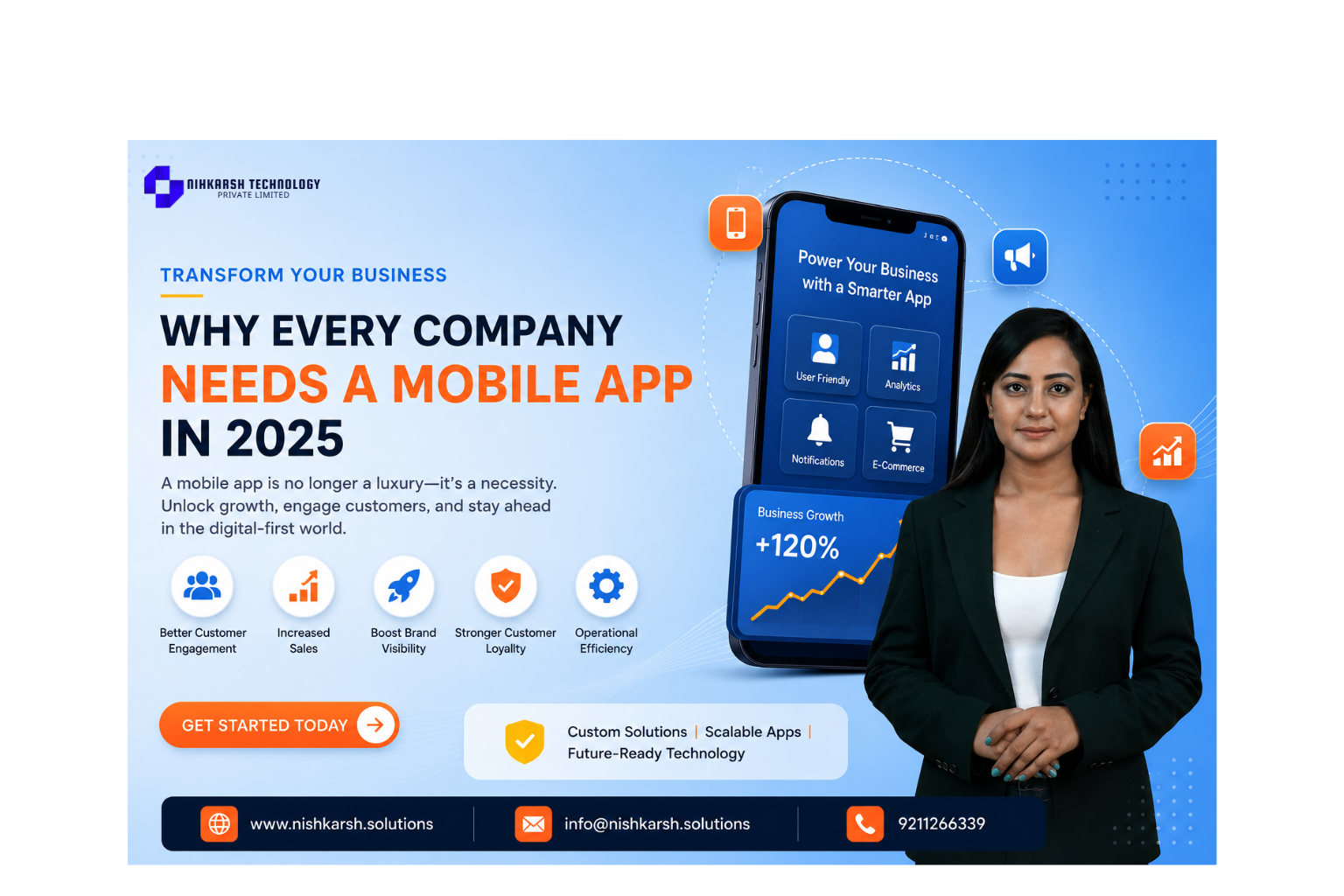
Why Every Business Needs a Mobile App in 2025
In the rapidly evolving digital landscape of 2026, mobile applications have become an indispensable tool for businesses seeking to stay competitive and enhance customer engagement. As we step into the new year, it's clear that a mobile app is no longer a luxury but a necessity. This comprehensive guide delves into the reasons why every business should consider developing a mobile app by 2025.
Introduction to the Mobile App Revolution
Mobile technology has transformed the way we interact with the world. According to recent statistics, over 70% of the global population owns a smartphone, and this number is expected to grow. In 2026, the average person spends more than three hours a day on their mobile devices, primarily for work, entertainment, and communication. This shift towards mobile-first behavior underscores the importance of having a mobile app for businesses.
From e-commerce giants like Amazon to ride-sharing services like Uber, every successful business today has a mobile app. This trend is not just a passing fad; it's a strategic move that can significantly boost your business's reach and revenue. Let's explore the compelling reasons why a mobile app is essential for every business in 2025 and beyond.
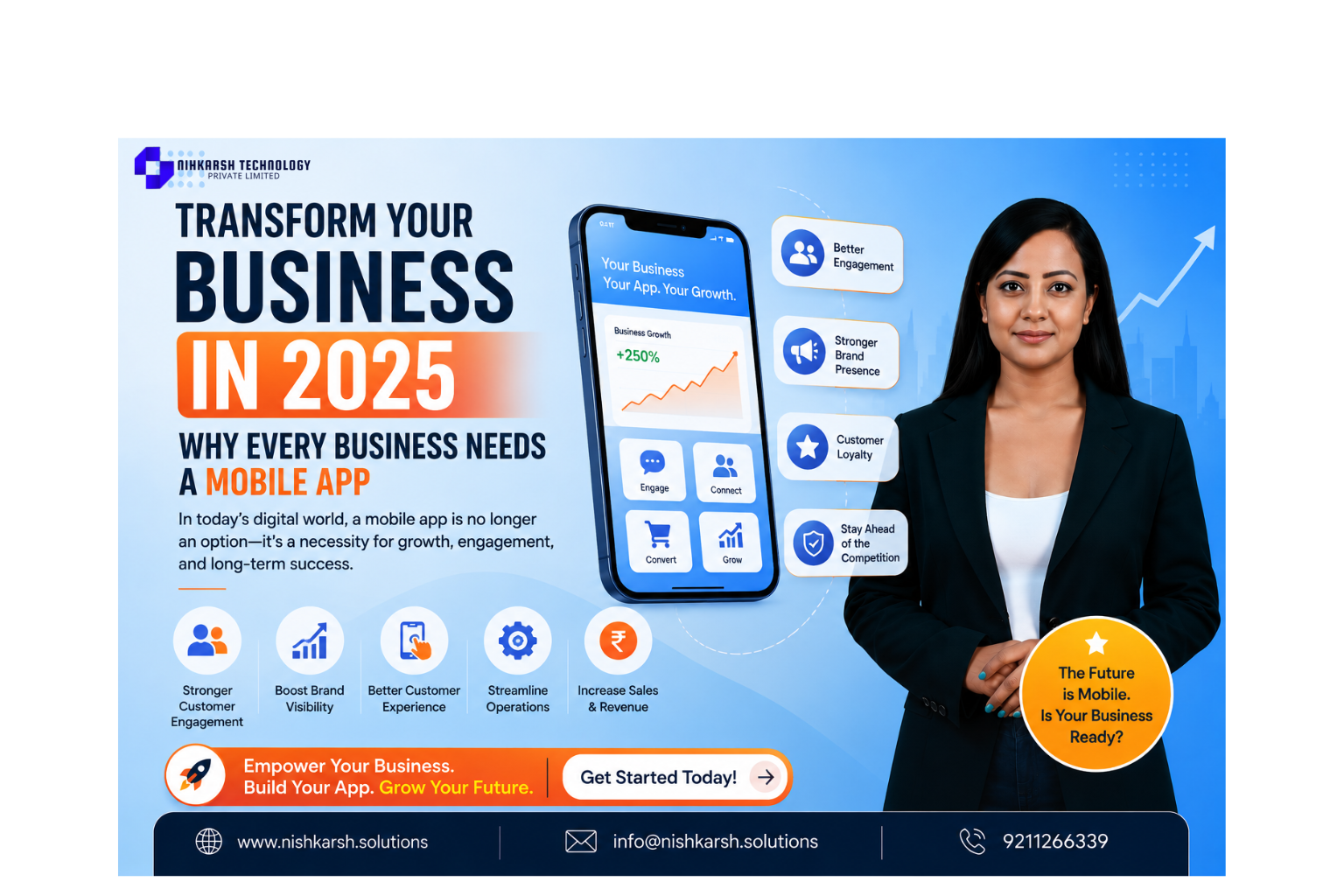
Enhanced Customer Experience
In a world where customer expectations are sky-high, a seamless and convenient user experience is crucial. A mobile app allows businesses to provide a personalized and efficient customer journey. Whether it's a quick checkout process, real-time updates, or personalized recommendations, a mobile app can transform how customers interact with your brand.
For instance, Starbucks' mobile app not only allows customers to order ahead but also provides loyalty points, exclusive offers, and even the ability to pay via mobile wallet. This level of engagement significantly enhances the customer experience and fosters brand loyalty.
Increased Engagement and Retention
Mobile apps offer a unique platform for businesses to engage with their audience more frequently and meaningfully. Push notifications, in-app messaging, and personalized content can keep customers engaged and coming back for more. This continuous interaction helps in building a strong customer base and fostering long-term relationships.
Consider the success of Duolingo, a language-learning app that uses gamification to keep users engaged. By offering daily lessons, quizzes, and rewards, Duolingo has retained millions of users worldwide, proving that consistent engagement through a mobile app can lead to high retention rates.
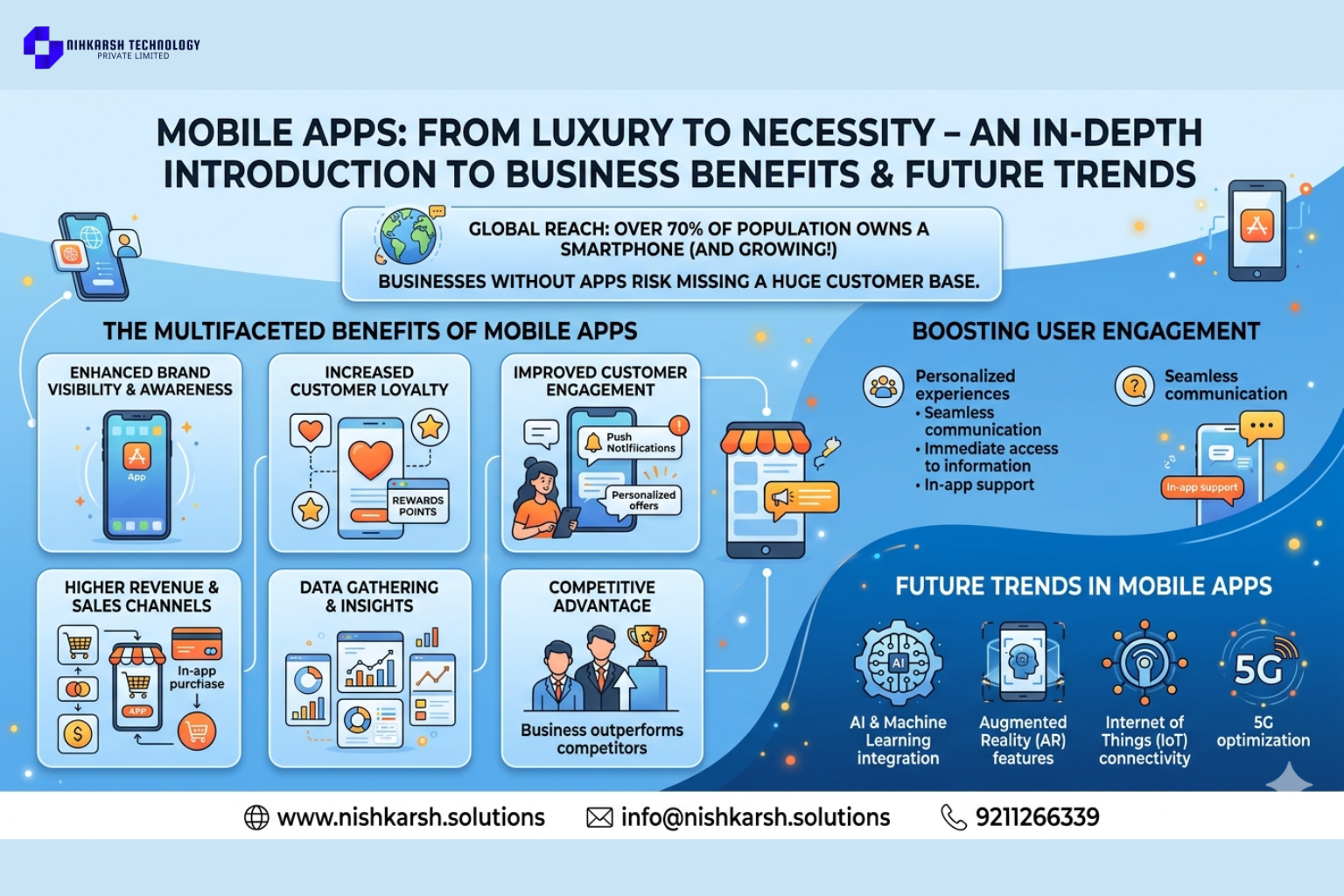
Cost-Effective Marketing
Developing a mobile app can serve as a powerful marketing tool. Unlike traditional advertising methods, a mobile app allows businesses to reach their target audience directly and cost-effectively. In-app advertising, targeted push notifications, and social media integration can help businesses reach a wider audience without breaking the bank.
For example, Airbnb's mobile app uses targeted ads to suggest properties based on users' browsing history and location. This personalized approach not only increases engagement but also drives more bookings, showcasing the marketing potential of a well-designed mobile app.
Data-Driven Insights
Mobile apps provide businesses with valuable data that can be used to make informed decisions. User behavior analytics, in-app purchases, and engagement metrics offer insights that can help businesses tailor their offerings and improve customer satisfaction.
For instance, Spotify uses data from its mobile app to understand user preferences and trends. This information is then used to curate personalized playlists and recommend new music, enhancing the user experience and driving engagement.
Seamless Integration with Other Services
In today's interconnected world, businesses need to integrate seamlessly with various services and platforms. A mobile app can act as a hub, connecting users with multiple services and enhancing overall convenience. This integration can lead to increased user satisfaction and loyalty.
For example, the Uber app integrates with various payment gateways, ride-sharing services, and even local businesses, providing users with a one-stop solution for all their transportation needs. This seamless integration has made Uber a household name and a leader in the ride-sharing industry.
Competitive Advantage
Having a mobile app can give your business a significant competitive edge. In an increasingly digital world, businesses that fail to adapt to mobile technology risk being left behind. A mobile app can help you stand out from the competition by offering unique features and a superior user experience.
Consider the case of Grubhub, a food delivery service that has leveraged its mobile app to become a dominant player in the food delivery market. By offering a seamless ordering experience, real-time tracking, and personalized recommendations, Grubhub has outpaced many of its competitors.
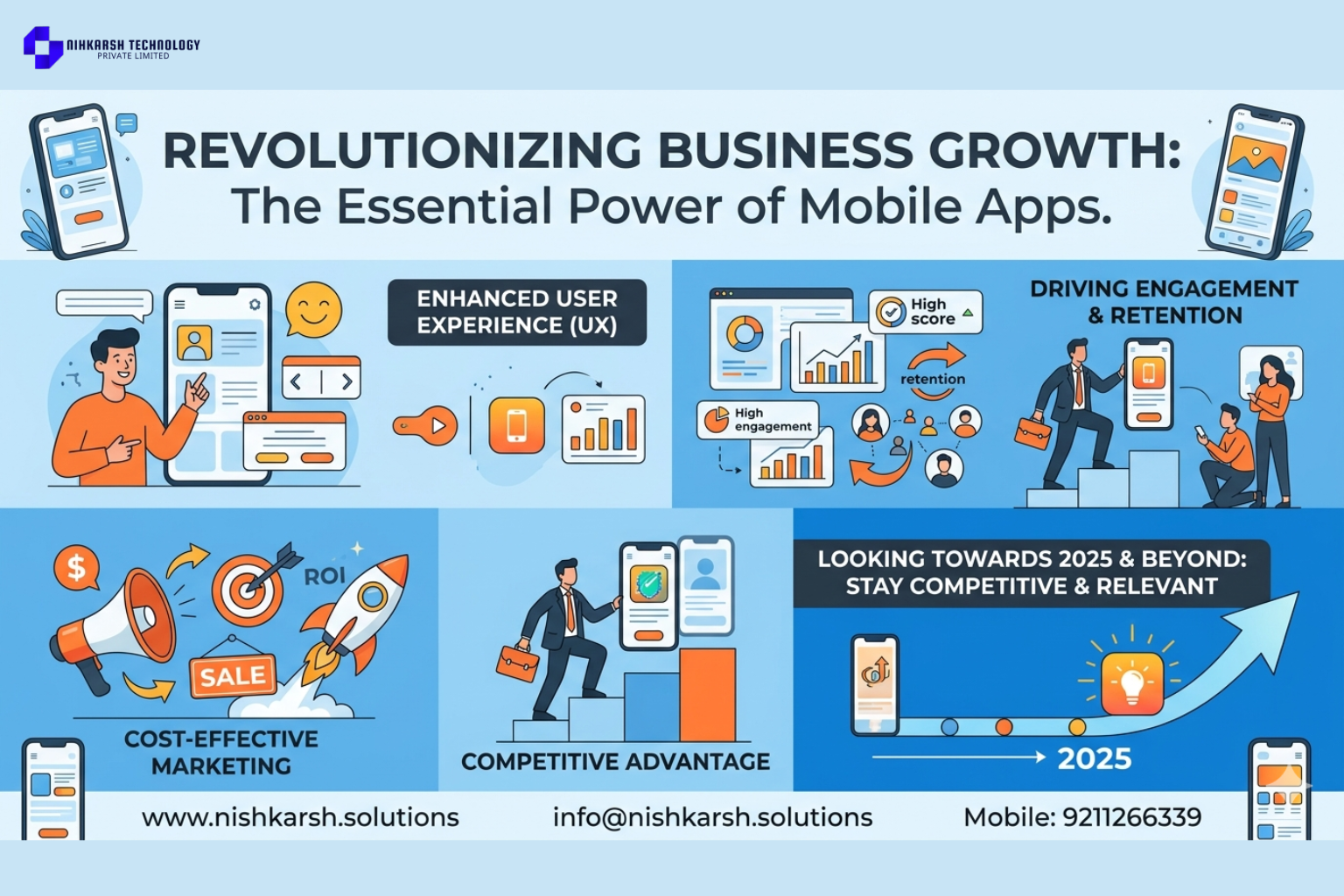
Future-Proofing Your Business
As technology continues to evolve, having a mobile app can future-proof your business. From AI and machine learning to augmented reality and the Internet of Things (IoT), the future of technology is deeply intertwined with mobile apps. Embracing this trend now can give your business a competitive edge in the years to come.
For example, companies like Walmart are already integrating AI into their mobile apps to provide personalized shopping experiences. By leveraging AI, Walmart can offer recommendations based on user behavior, preferences, and even inventory levels, setting the stage for a more efficient and personalized shopping experience.
Accessibility and Convenience
Mobile apps offer unparalleled convenience and accessibility. With a mobile app, customers can access your services anytime, anywhere. This flexibility is especially valuable in today's fast-paced world, where time is a precious commodity.
For instance, the Lyft app allows users to hail a ride with just a few taps, making it incredibly convenient for users on the go. This level of accessibility has contributed to Lyft's growth and popularity, demonstrating the importance of convenience in a mobile app.
Conclusion
As we look towards 2025 and beyond, it's clear that a mobile app is no longer a nice-to-have but a must-have for every business. From enhancing customer experience to providing data-driven insights, a mobile app offers numerous benefits that can drive growth and success. Whether you're an established business looking to stay competitive or a startup aiming to disrupt an industry, investing in a mobile app is a strategic move that can pay off in the long run.
So, if you haven't already, it's time to start planning your mobile app strategy. The future is mobile, and your business needs to be ready to embrace it. Stay tuned for more insights on how to create a successful mobile app and watch your business thrive in the digital age.