Transform Your Business in 2025: Why Every Business Needs a Mobile App
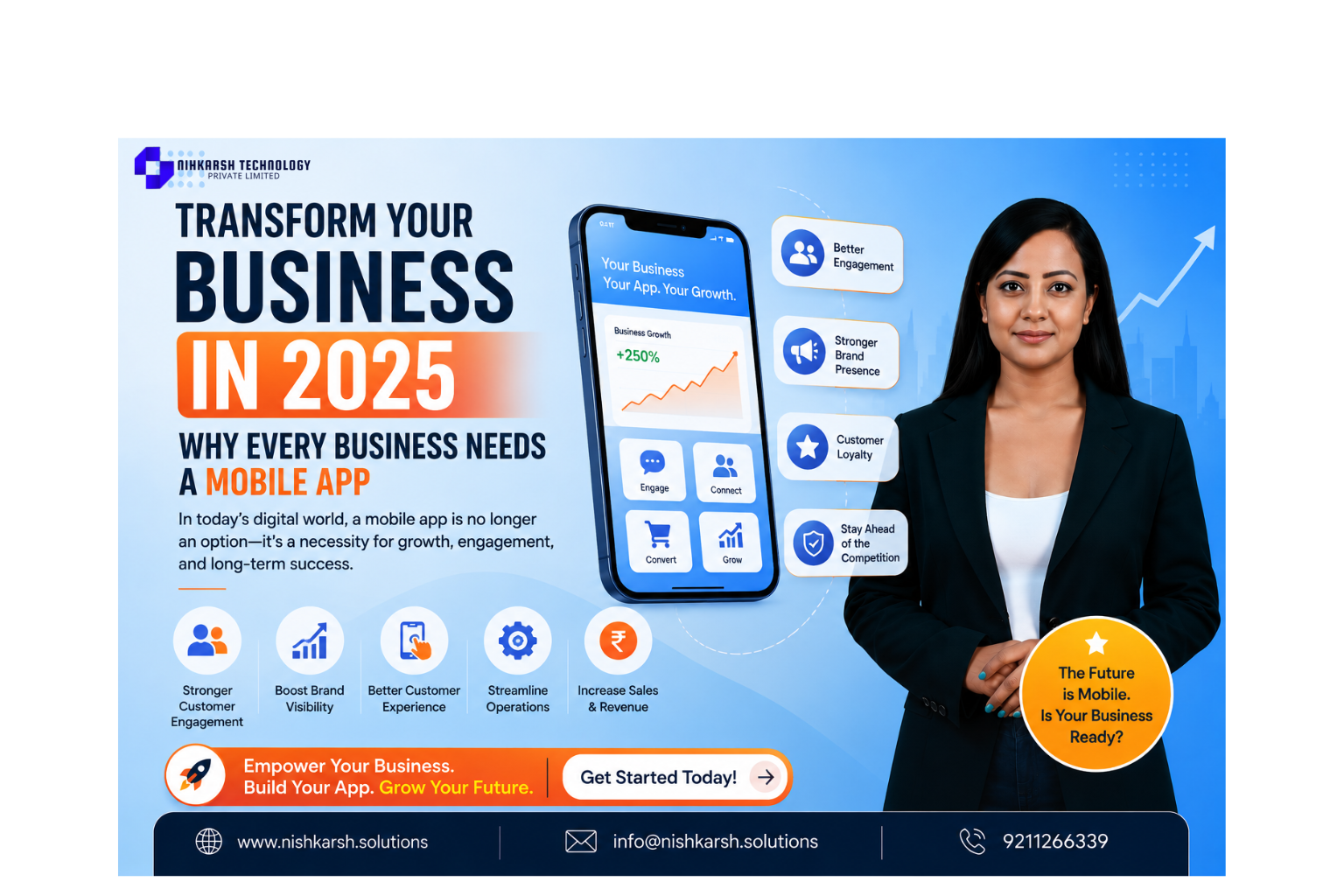
Why Every Business Needs a Mobile App in 2025
In the rapidly evolving digital landscape of 2026, no business can afford to overlook the significance of mobile applications. As we step into 2025, the importance of having a mobile app has become more critical than ever. This blog post delves into the reasons why every business, regardless of its size or industry, needs to invest in a mobile app by 2025.
In-Depth Introduction
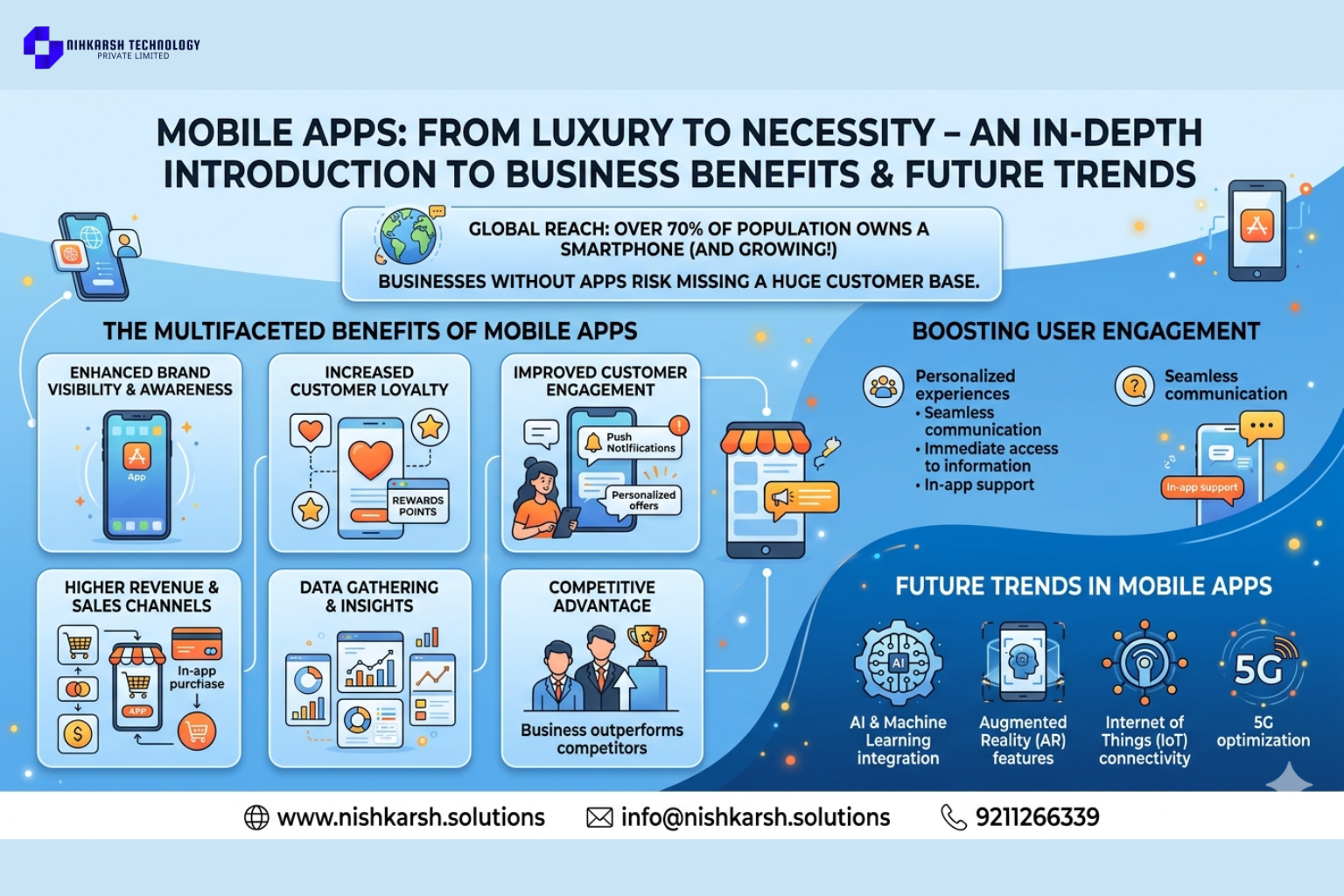
Mobile apps have transcended from being a luxury to a necessity. According to recent statistics, over 70% of the world's population now owns a smartphone, and this number is expected to grow. With such a vast user base, businesses that fail to leverage mobile apps risk missing out on a significant portion of their potential customer base. This post will explore the multifaceted benefits of mobile apps, their impact on user engagement, and the future trends that businesses should prepare for.
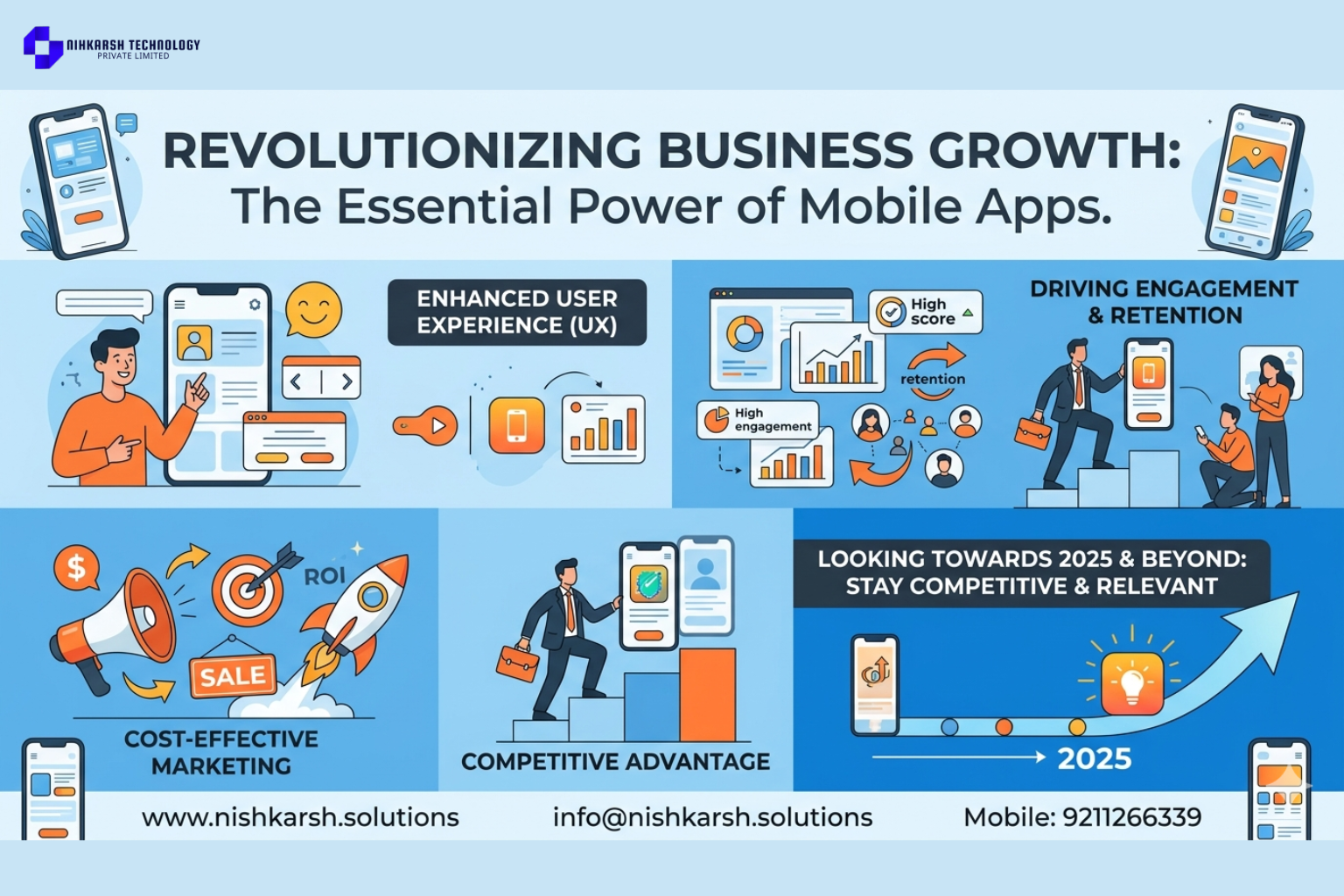
Enhanced User Experience
One of the primary reasons why businesses need mobile apps is to enhance user experience. A well-designed mobile app can provide a seamless and intuitive interface that users love. For instance, companies like Uber and Zomato have revolutionized their industries by offering user-friendly mobile apps that allow customers to order food, book rides, and more, all from their smartphones.
Moreover, mobile apps can offer personalized experiences. By collecting user data, businesses can tailor their apps to meet individual needs, making interactions more relevant and engaging. This level of personalization can significantly boost user satisfaction and loyalty.
Increased Engagement and Retention
Mobile apps offer a platform for continuous engagement with users. Push notifications, in-app messaging, and other interactive features can keep users engaged and coming back for more. For example, fitness apps like Strava and Nike Run Club use gamification to encourage users to stay active and track their progress, thereby increasing retention rates.
Engagement isn't just about keeping users happy; it's also about driving sales. A study by AppFollow shows that users who engage with mobile apps are 30% more likely to make a purchase. By keeping users engaged, businesses can foster a loyal customer base that is more likely to convert into repeat customers.
Cost-Effective Marketing
Mobile apps provide a cost-effective way to reach a global audience. Unlike traditional marketing methods, which can be expensive and time-consuming, mobile apps offer a scalable and efficient way to promote products and services. For example, businesses can use in-app advertising, which can be more targeted and less intrusive than traditional ads.
Additionally, mobile apps can be used to run targeted campaigns and promotions. For instance, a retail app can offer exclusive discounts and deals to users who download the app, driving immediate sales and customer acquisition.
Data Collection and Analytics
Mobile apps are powerful tools for data collection and analytics. By integrating analytics tools, businesses can gather valuable insights into user behavior, preferences, and needs. This data can be used to refine marketing strategies, improve product offerings, and enhance overall business operations.
For example, e-commerce platforms like Amazon and eBay use data analytics to understand customer buying patterns, optimize inventory management, and personalize the shopping experience. By leveraging this data, businesses can make informed decisions that drive growth and success.
Competitive Advantage
In today's competitive business environment, having a mobile app can provide a significant competitive advantage. Businesses that fail to invest in mobile apps risk being left behind by their more tech-savvy competitors. For instance, a food delivery service without a mobile app might struggle to compete with platforms like DoorDash or Uber Eats, which offer seamless and convenient ordering experiences through their apps.
Moreover, a mobile app can differentiate a business from its competitors. A unique and well-designed app can attract users and create a strong brand identity, setting a business apart from the crowd.
Future Trends in Mobile Apps
Looking ahead, several trends are shaping the future of mobile apps. Artificial Intelligence (AI) and Machine Learning (ML) are expected to play a significant role, enabling apps to offer more personalized and intelligent experiences. For example, AI-powered chatbots can provide 24/7 customer support, while ML algorithms can predict user needs and preferences.
Another trend is the integration of augmented reality (AR) and virtual reality (VR). These technologies can enhance user experiences by providing immersive and interactive content. For instance, IKEA's Place app allows users to visualize how furniture will look in their home before making a purchase, revolutionizing the retail experience.
Security and Privacy
As mobile apps become more integral to business operations, security and privacy concerns have also risen. Businesses must prioritize user data protection and ensure that their apps comply with relevant regulations, such as GDPR and CCPA. Investing in robust security measures can build trust with users and protect sensitive information.
For example, banks and financial institutions are increasingly turning to mobile banking apps to offer secure and convenient transaction services. By prioritizing security, these apps can provide users with peace of mind, knowing their financial information is safe.
Accessibility and Inclusivity
In an increasingly diverse world, accessibility and inclusivity are crucial considerations for mobile apps. Businesses should ensure that their apps are designed to be accessible to users with disabilities. This includes providing features like screen reader compatibility, adjustable text sizes, and voice commands.
For instance, the accessibility features in apps like Apple's VoiceOver and Google's TalkBack have made it easier for visually impaired users to navigate and interact with mobile apps. By prioritizing accessibility, businesses can reach a wider audience and create a more inclusive digital experience.
Conclusion
In conclusion, the need for mobile apps has never been more evident. From enhancing user experience to driving engagement, cost-effective marketing, and competitive advantage, mobile apps offer numerous benefits. As we look towards 2025 and beyond, businesses must embrace this trend and invest in mobile apps to stay competitive and relevant.
By leveraging the latest technologies and trends, businesses can create innovative and engaging mobile apps that meet the evolving needs of their users. Whether it's through AI, AR, VR, or other cutting-edge solutions, the future of mobile apps is bright and full of possibilities.
So, if your business hasn't already made the leap to mobile apps, now is the time to do so. The digital landscape is changing rapidly, and businesses that fail to adapt risk being left behind. Embrace the future of mobile apps and watch your business thrive in the years to come.