
Top Mobile App Development Trends to Watch in 2025
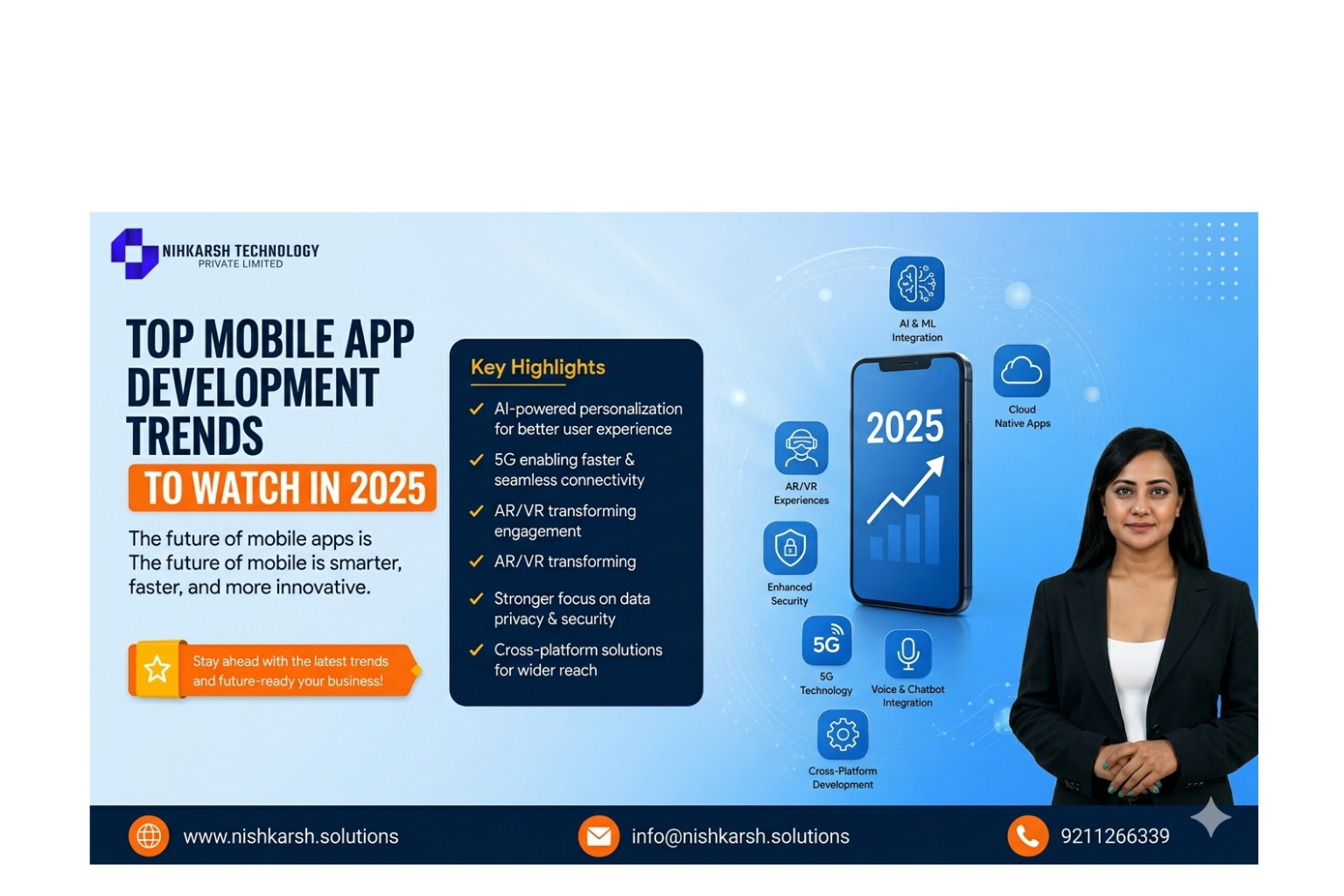
Top Mobile App Development Trends for 2025: What’s Shaping the Future?
As we step into 2026, the mobile app development landscape continues to evolve at a breakneck pace. With over 7 billion smartphone users worldwide and an ever-growing demand for innovative, user-centric applications, staying ahead of the curve is no longer optional—it’s a necessity. Whether you're a developer, business owner, or tech enthusiast, understanding the latest trends can help you create apps that are not just functional but future-proof.
From the rise of AI-driven personalization to the integration of extended reality (XR) and the growing importance of sustainability in app design, 2025 has set the stage for transformative changes. In this comprehensive guide, we’ll explore the top mobile app development trends that are reshaping the industry in 2026 and beyond. Let’s dive in!
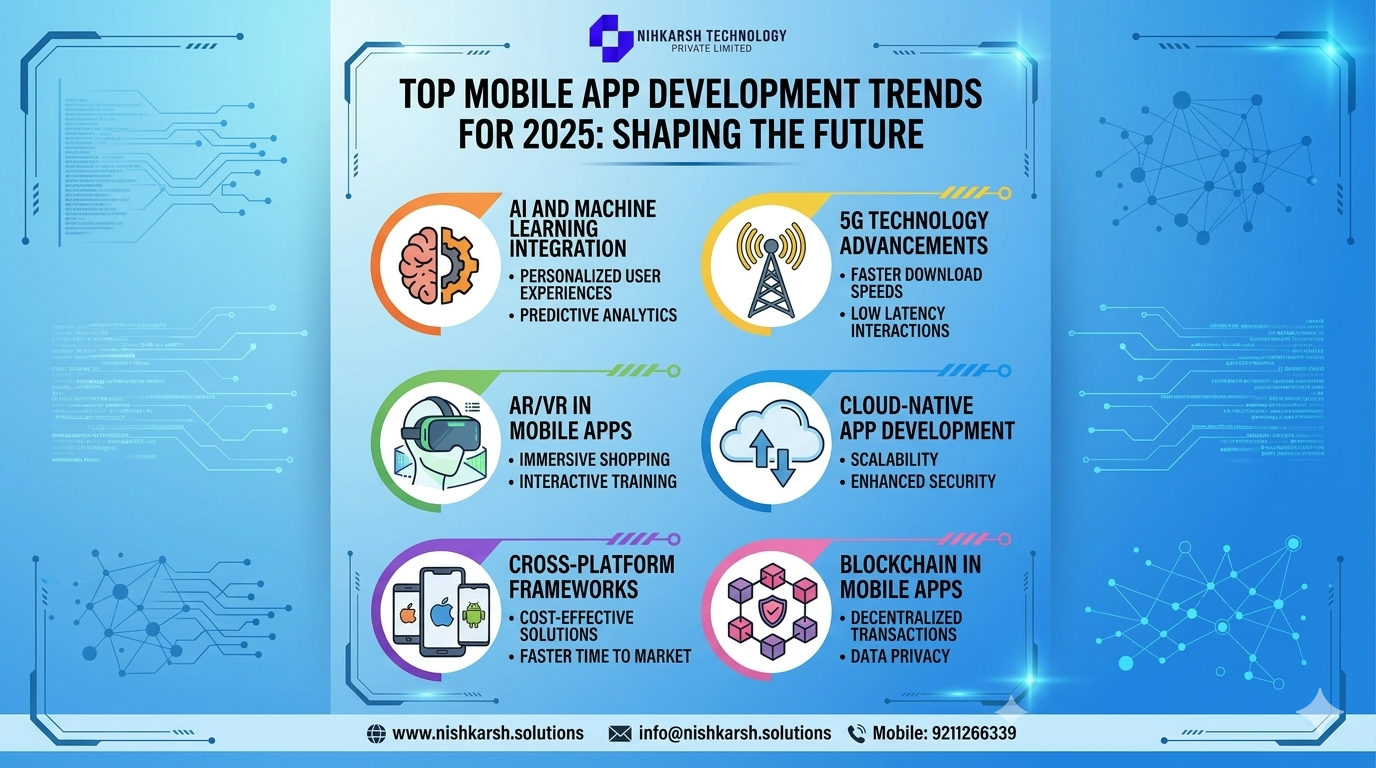
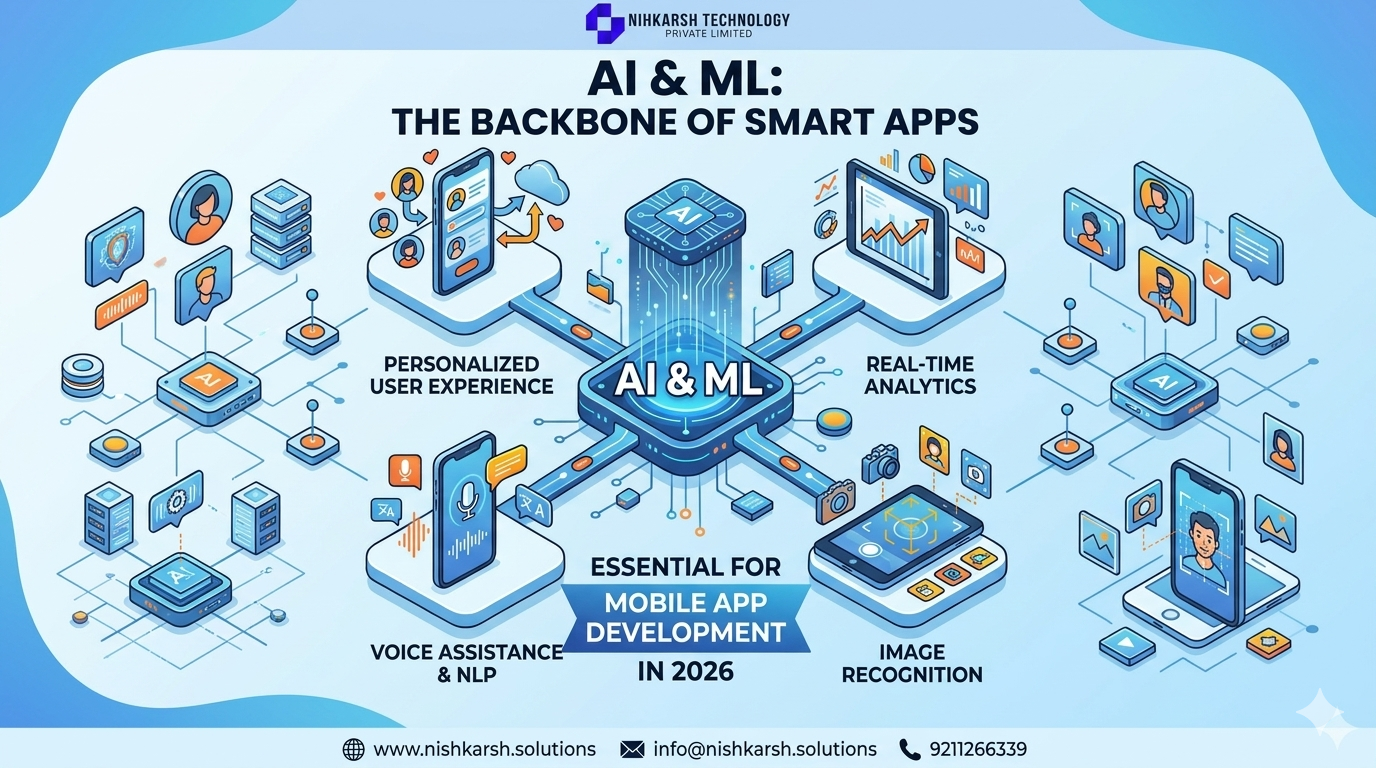
1. AI and Machine Learning: The Backbone of Smart Apps
Artificial Intelligence (AI) and Machine Learning (ML) have transitioned from buzzwords to essential tools in mobile app development. In 2026, their role is more pronounced than ever, driving everything from predictive analytics to real-time personalization.
Key AI/ML Trends in 2026:
- Hyper-Personalization: Apps like Spotify and Netflix have already mastered recommendation engines, but in 2026, AI is taking it further. Imagine a fitness app that adjusts your workout plan based on your mood, detected via voice analysis or facial recognition.
- AI-Powered Chatbots and Virtual Assistants: Beyond customer service, AI chatbots are now handling complex tasks like financial advice (e.g., Cleo) and mental health support (e.g., Woebot).
- On-Device AI: With privacy concerns rising, apps are leveraging on-device AI (like Apple’s Core ML) to process data locally, reducing latency and enhancing security.
- Generative AI in Apps: Tools like MidJourney and DALL·E are inspiring apps that generate custom avatars, design elements, or even entire app interfaces based on user prompts.
For developers, integrating AI isn’t just about adding features—it’s about creating smarter, more intuitive user experiences that adapt in real time.
2. The Rise of Super Apps: All-in-One Solutions
Inspired by Asian giants like WeChat and Grab, the concept of super apps is gaining traction globally. These are all-in-one platforms that combine multiple services—messaging, payments, e-commerce, ride-hailing, and more—into a single ecosystem.
Why Super Apps Are Dominating in 2026:
- User Convenience: Instead of juggling multiple apps, users can access everything from one interface. For example, Revolut has expanded from banking to include travel bookings, crypto trading, and even insurance.
- Business Synergy: Companies can cross-sell services seamlessly. A food delivery app (like DoorDash) can now offer grocery delivery, pharmacy pickups, and even financial services.
- Emerging Markets Lead the Way: In regions like Latin America and Africa, where smartphone penetration is high but app fragmentation is a challenge, super apps are filling the gap.
For developers, building a super app requires a modular architecture, robust APIs, and a deep understanding of user behavior analytics to ensure all services integrate smoothly.
3. Extended Reality (XR): Blurring the Lines Between Digital and Physical
Extended Reality (XR), which encompasses Augmented Reality (AR), Virtual Reality (VR), and Mixed Reality (MR), is no longer confined to gaming. In 2026, XR is transforming industries from retail to healthcare.
XR Applications in 2026:
- AR in E-Commerce: Apps like IKEA Place and Amazon AR View let users visualize products in their homes before purchasing. In 2026, expect AR to include haptic feedback for a more immersive experience.
- VR for Remote Work: With hybrid work models here to stay, platforms like Meta Horizon Workrooms are enabling virtual offices where teams collaborate in 3D spaces.
- MR in Healthcare: Surgeons are using MR headsets like Microsoft HoloLens for real-time data overlay during procedures, improving precision.
Developers should focus on cross-platform XR frameworks like Unity and Unreal Engine, as well as optimizing for low-latency performance to avoid motion sickness in VR apps.
4. 5G and Edge Computing: Faster, Smarter Apps
The rollout of 5G networks is accelerating, and with it comes the potential for mobile apps to deliver ultra-low latency and high-speed data processing. Coupled with edge computing, which processes data closer to the source, apps in 2026 are faster and more responsive than ever.
How 5G and Edge Computing Are Changing Apps:
- Real-Time Multiplayer Gaming: Cloud gaming platforms like NVIDIA GeForce NOW and Xbox Cloud Gaming are leveraging 5G to deliver console-quality gaming on mobile devices.
- Enhanced IoT Integration: Smart home apps can now control devices with near-zero delay, making automation smoother. For example, a security app can process facial recognition at the edge, reducing reliance on cloud servers.
- AR/VR Streaming: High-bandwidth applications like VR concerts or AR navigation can now stream seamlessly without buffering.
For developers, optimizing apps for 5G means prioritizing data efficiency and leveraging edge computing to reduce server loads. Tools like AWS Wavelength and Google Edge are becoming essential.
5. Blockchain and Web3: Decentralizing Mobile Apps
Blockchain technology is moving beyond cryptocurrency, and in 2026, it’s reshaping mobile apps through decentralized applications (dApps) and Web3 integration.
Blockchain Trends in Mobile Apps:
- Decentralized Finance (DeFi): Apps like Uniswap and Aave are making financial services accessible without traditional banks, using smart contracts for transactions.
- NFT Marketplaces: Beyond digital art, NFTs are being used for ticketing (e.g., StubHub’s NFT tickets), gaming assets, and even real estate deeds.
- User Data Ownership: Web3 apps are giving users control over their data. For example, Solid (a decentralized data storage project) lets users decide who accesses their information.
Developers should explore blockchain development platforms like Ethereum, Solana, or Polygon, and prioritize security and scalability in dApp design.
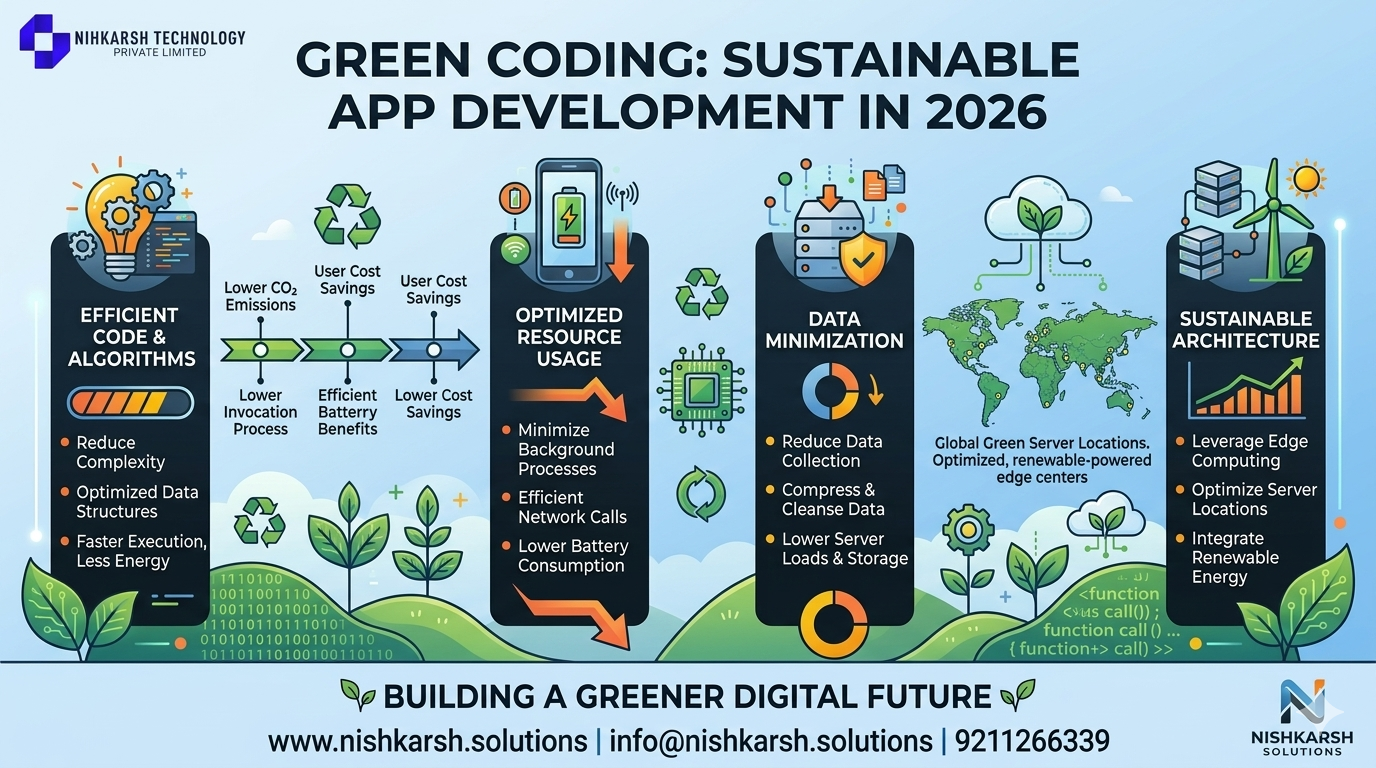
6. Sustainability in App Development: Green Coding
With climate change at the forefront, sustainable app development is a major trend in 2026. Users and regulators are demanding apps that minimize energy consumption and carbon footprints.
How to Build Eco-Friendly Apps:
- Energy-Efficient Code: Optimizing algorithms to reduce CPU usage can significantly lower an app’s energy consumption. For example, Google’s Green Framework helps developers write more efficient code.
- Dark Mode by Default: Dark themes reduce screen power usage, especially on OLED displays. Apps like Twitter and YouTube have already adopted this.
- Cloud Optimization: Using green cloud providers (like Google Cloud’s carbon-neutral data centers) can reduce the environmental impact of app hosting.
Developers should also consider app size optimization to reduce data transfer energy and adopt sustainable UX design principles.
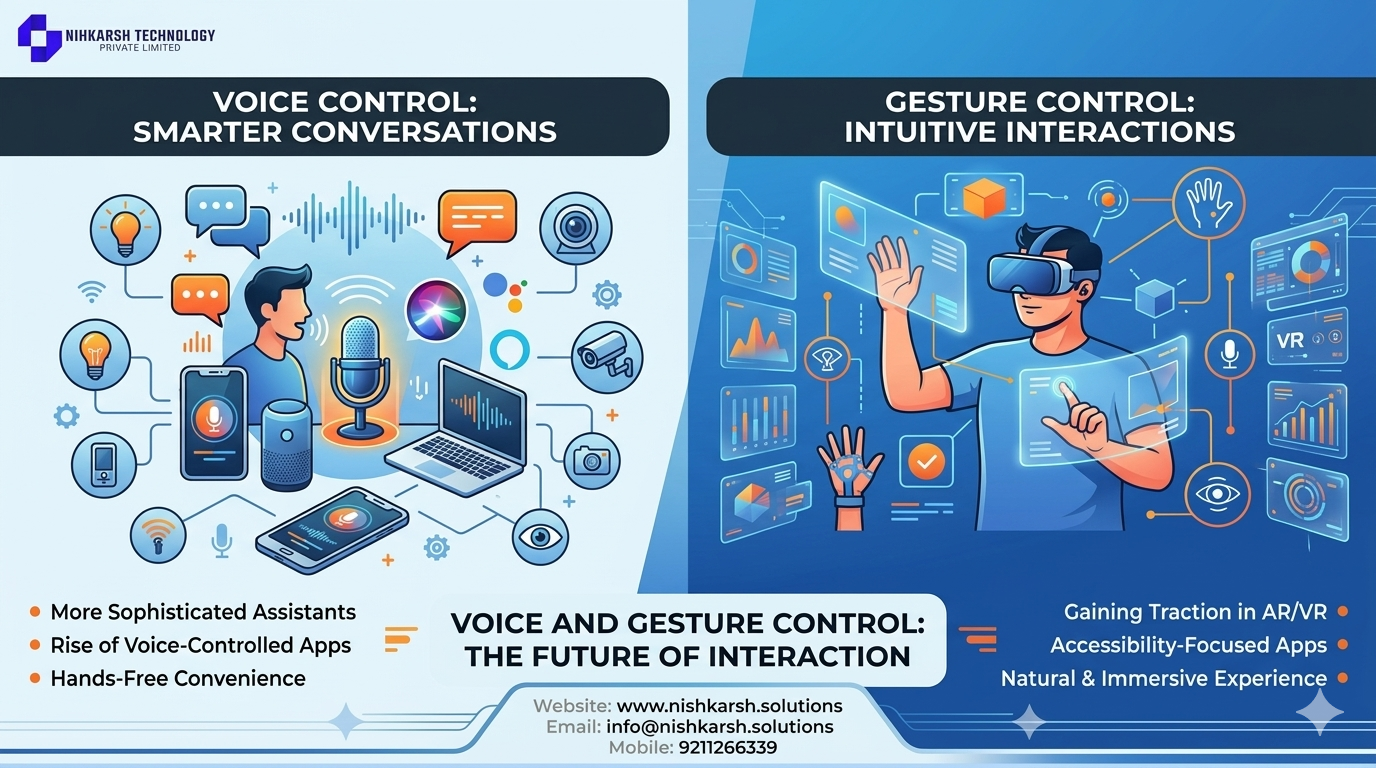
7. Voice and Gesture Control: The Future of Interaction
As voice assistants like Siri, Google Assistant, and Alexa become more sophisticated, voice-controlled apps are on the rise. Additionally, gesture control is gaining traction, especially in AR/VR and accessibility-focused apps.
Key Developments in 2026:
- Voice-First Apps: Beyond simple commands, apps are now handling complex conversations. For example, Duolingo uses voice recognition to correct pronunciation in real time.
- Gesture-Based Navigation: Apps like Proximie (for surgical training) use hand gestures to interact with 3D models, reducing the need for physical input devices.
- Accessibility Innovations: Voice and gesture controls are making apps more inclusive for users with disabilities. Apple’s Voice Control and Google’s Project Euphonia are leading examples.
Developers should integrate natural language processing (NLP) libraries and explore frameworks like TensorFlow Lite for on-device gesture recognition.
8. Instant Apps and App Clips: No Downloads, No Hassle
Users are increasingly impatient—why download an app when you can access its core features instantly? Instant Apps (Android) and App Clips (iOS) allow users to experience apps without installation, reducing friction and boosting engagement.
Why Instant Apps Are Gaining Popularity:
- Lower User Acquisition Costs: Businesses can showcase their app’s value without requiring a download. For example, a retail app can let users browse products via a QR code scan.
- Improved Conversion Rates: Apps like Spotify and NYTimes use instant apps to let users preview content before committing to a download.
- Seamless Payments: App Clips are ideal for quick transactions, like parking meters or food orders, where users don’t need the full app.
Developers should focus on modular app design, ensuring that instant versions retain core functionality while keeping file sizes minimal.
9. Enhanced App Security: Protecting User Data
With cyber threats on the rise, app security is a top priority in 2026. From biometric authentication to blockchain-based security, developers are adopting advanced measures to protect user data.
Security Trends to Watch:
- Biometric Authentication: Fingerprint scanning, facial recognition, and even vein pattern recognition are becoming standard for secure logins.
- Zero-Trust Architecture: Apps are implementing continuous authentication, where users are verified at every step, not just during login.
- Quantum-Resistant Encryption: As quantum computing advances, apps are preparing for post-quantum cryptography to safeguard data.
Developers should prioritize secure coding practices, regular security audits, and compliance with regulations like GDPR and CCPA.
10. Low-Code/No-Code Development: Democratizing App Creation
The barrier to app development is lowering thanks to low-code/no-code platforms like Bubble, Adalo, and Microsoft Power Apps. In 2026, these tools are empowering non-developers to build functional apps quickly.
Impact of Low-Code/No-Code:
- Faster Prototyping: Startups can validate ideas without heavy investment in development. For example, a small business can create a custom CRM using Airtable.
- Citizen Developers: Marketing teams, educators, and even healthcare professionals are building apps tailored to their needs.
- Integration with AI: Platforms like Zoho Creator now include AI assistants that suggest app features based on user goals.
While low-code tools are powerful, developers should still oversee scalability and security to ensure long-term viability.
Conclusion: The Future of Mobile App Development
As we look ahead, the mobile app development landscape in 2026 is defined by innovation, user-centric design, and sustainability. From AI-driven personalization to the rise of super apps and the integration of XR, the trends we’ve explored are not just shaping how apps are built—they’re redefining how we interact with technology.
For businesses and developers, the key to success lies in adapting quickly, leveraging emerging technologies, and prioritizing user experience and security. Whether you're building the next big social platform, a healthcare app, or a fintech solution, staying ahead of these trends will ensure your app remains relevant and competitive.
So, which trend will you integrate into your next project? The future of mobile apps is here—are you ready to build it?