
Mastering App Store Optimization Boosts Your Apps Success
The Importance of App Store Optimization (ASO) in 2026 and Beyond
In the ever-evolving digital landscape of 2026, the success of an app hinges on more than just its functionality. App Store Optimization (ASO) has become a critical strategy for developers and marketers to ensure their apps reach the right audience and stand out in the crowded app stores. This comprehensive guide delves into the importance of ASO, its key components, and practical tips to optimize your app's visibility and performance.
Understanding App Store Optimization (ASO)
App Store Optimization (ASO) is the process of improving the visibility and discoverability of an app within app stores like the Apple App Store, Google Play Store, and other emerging platforms. It involves a combination of strategic keyword research, metadata optimization, and continuous monitoring to enhance an app's ranking and user engagement.
In 2026, ASO is no longer an optional nicety but a necessity. With millions of apps vying for users' attention, a well-optimized app can outshine its competitors and attract a larger user base. Let's explore the key aspects of ASO and why it's crucial for app success.
The Evolution of ASO
ASO has come a long way since its inception. Initially, it focused mainly on keyword optimization and metadata. However, with the advent of machine learning and AI, ASO has become more sophisticated. Today, ASO considers factors like user reviews, app performance, and even in-app behavior to enhance rankings.
As we move into 2026 and beyond, ASO is expected to integrate even more advanced analytics and predictive algorithms. This will allow for real-time optimization and personalized user experiences, further boosting app success.
Keyword Research: The Foundation of ASO
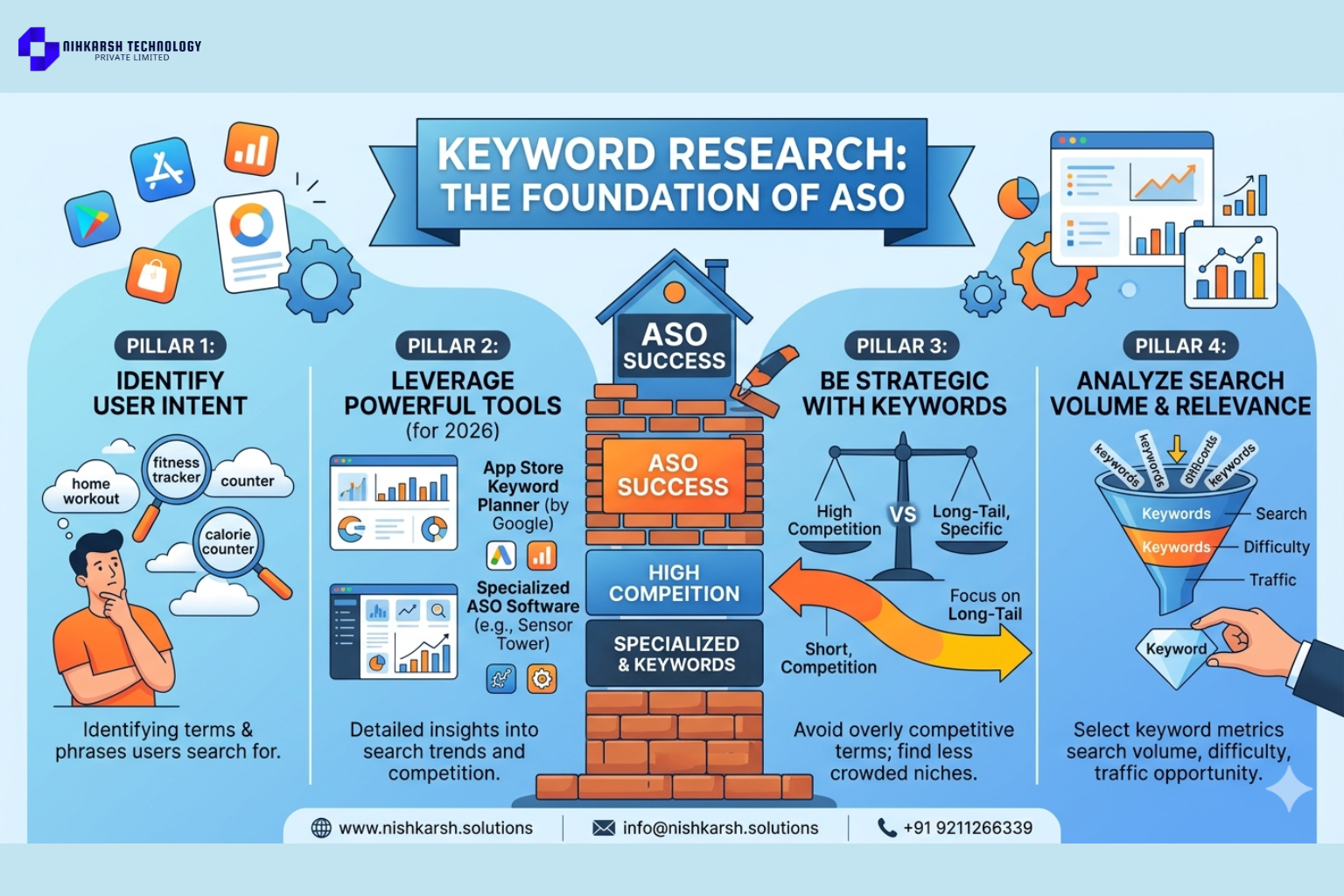
Keyword research is the cornerstone of ASO. It involves identifying the terms and phrases that users are likely to search for when looking for apps similar to yours. In 2026, tools like Google's App Store Keyword Planner and specialized ASO software provide detailed insights into search trends and competition.
For example, if you're developing a fitness app, keywords like "home workout," "fitness tracker," and "calorie counter" could be highly relevant. However, it's essential to avoid overly competitive terms and focus on long-tail keywords that are more specific and less crowded.
Metadata Optimization: Crafting the Perfect App Listing
Metadata, including the app title, description, and keywords, plays a pivotal role in ASO. A well-crafted metadata can significantly improve an app's visibility and attract potential users.
In 2026, metadata optimization goes beyond just keywords. It includes creating compelling app titles that are concise yet descriptive, writing detailed and engaging descriptions that highlight unique features, and utilizing relevant keywords naturally within the text.
For instance, an app title like "FitLife: Your Personal Fitness Coach" is more appealing than "Fitness App." Similarly, a description that emphasizes user-friendly interfaces, advanced tracking features, and community support will resonate better with users.
User Reviews and Ratings: The Power of Community Feedback
User reviews and ratings are another critical component of ASO. Positive reviews not only enhance an app's credibility but also improve its visibility. In 2026, app stores are increasingly using AI to analyze reviews and identify trends that can influence rankings.
Encouraging users to leave reviews and responding promptly to both positive and negative feedback is crucial. A proactive approach to user engagement can turn detractors into advocates and boost your app's standing.
App Performance: Speed and Stability Matter
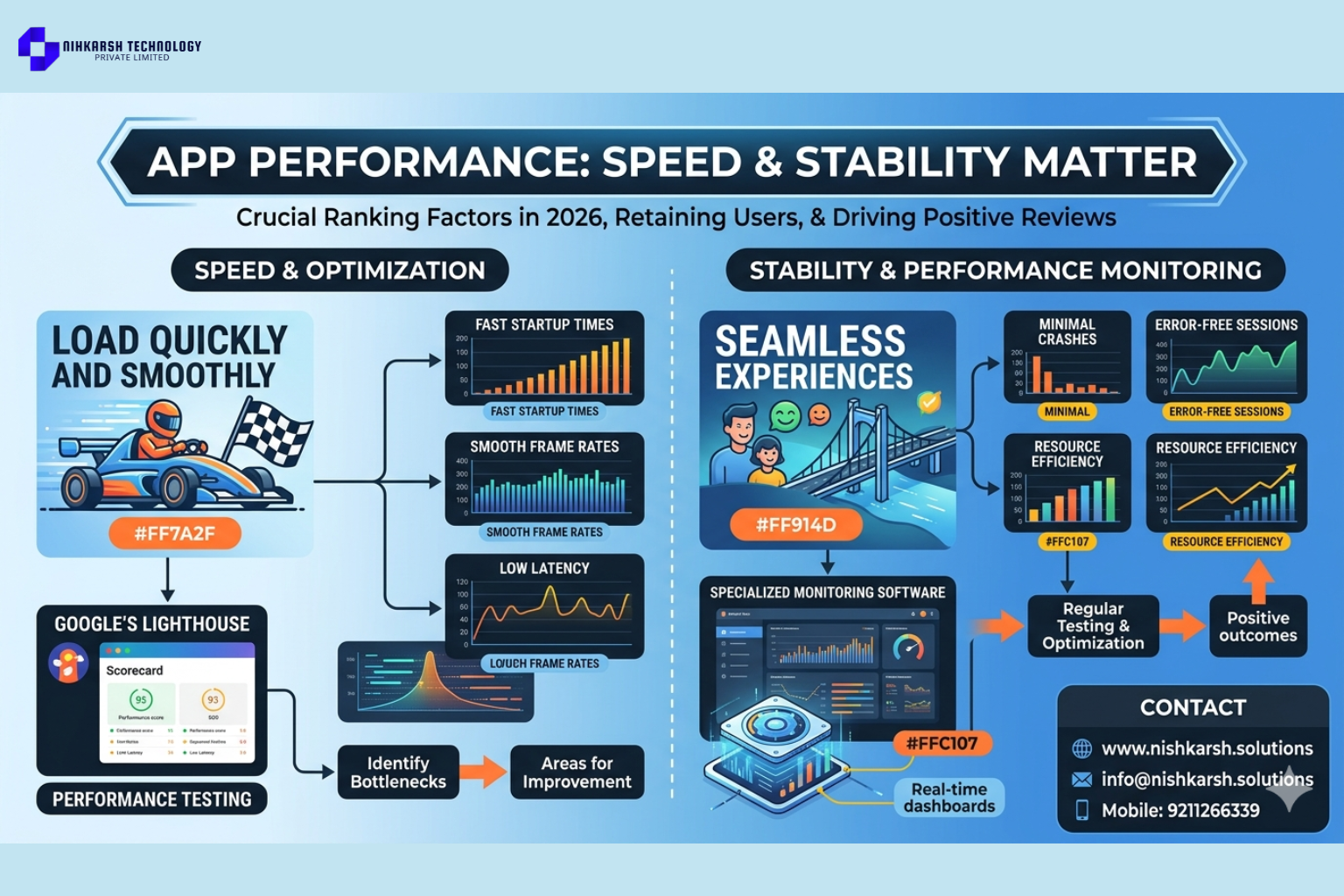
App performance, including speed and stability, has become a significant ranking factor in 2026. Users expect seamless experiences, and apps that load quickly and run smoothly are more likely to retain users and receive positive reviews.
Regular performance testing and optimization are essential. Tools like Google's Lighthouse and specialized performance monitoring software can help identify bottlenecks and areas for improvement.
Visuals: The Impact of App Store Graphics
Visuals, including app icons, screenshots, and promotional graphics, play a crucial role in ASO. In 2026, high-quality, visually appealing graphics are not just aesthetically pleasing but also influence user decisions.
App icons should be distinctive and representative of the app's functionality. Screenshots should showcase the app's best features, and promotional graphics should be engaging and on-brand.
Localization: Reaching a Global Audience
With the increasing global adoption of mobile apps, localization has become a vital aspect of ASO. In 2026, apps that cater to diverse languages and cultures are more likely to succeed.
Localization involves translating app content, optimizing metadata for different languages, and even creating region-specific features. Tools like Google's Translation API and specialized localization software can simplify this process.
In-App Behavior: The Future of ASO
As we move into 2026 and beyond, ASO is expected to focus more on in-app behavior. Analyzing user interactions, preferences, and feedback within the app can provide valuable insights for optimization.
For example, if users frequently navigate to a specific section of the app, it might indicate a need for better navigation or additional features in that area. Predictive algorithms can use this data to make real-time optimizations, enhancing the user experience continuously.
Continuous Monitoring and Adaptation
ASO is not a one-time task but an ongoing process. The digital landscape is constantly evolving, and what works today may not work tomorrow. Continuous monitoring and adaptation are crucial to staying ahead of the competition.
Regularly updating keywords, metadata, and app performance based on the latest trends and user feedback is essential. Tools like Google Analytics for App Store and specialized ASO dashboards can provide real-time data and insights.
Case Studies: Success Stories in ASO
Let's look at some success stories in ASO to understand the impact of a well-executed strategy.
Spotify: Spotify's rise to dominance in the music streaming market can be attributed to its effective ASO strategy. By focusing on keywords like "music," "podcasts," and "audiobooks," Spotify increased its visibility and attractiveness to users.
Uber: Uber's success in the ride-hailing industry is another testament to effective ASO. By optimizing for keywords like "ride-sharing," "taxi," and "car service," Uber ensured it was discoverable by users looking for transportation solutions.
Conclusion: Embracing the Future of ASO
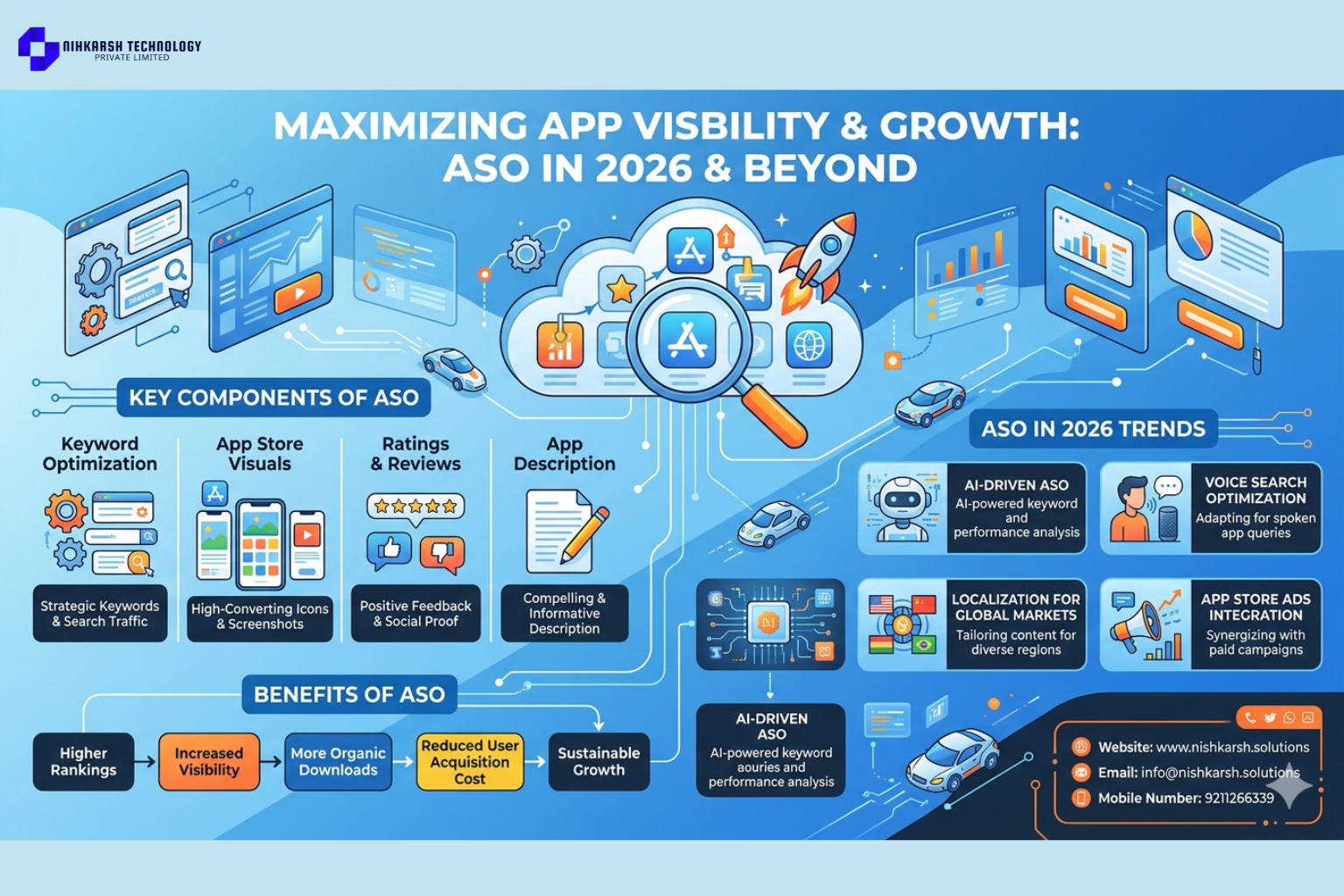
App Store Optimization is no longer a luxury but a necessity for app success in 2026 and beyond. By focusing on keyword research, metadata optimization, user reviews, app performance, visuals, localization, in-app behavior, and continuous monitoring, developers and marketers can enhance their apps' visibility and user engagement.
As technology advances, ASO will continue to evolve, integrating more sophisticated analytics and predictive algorithms. Embracing these trends and staying ahead of the competition will be key to long-term success.
In conclusion, ASO is not just about ranking higher in app stores; it's about creating a seamless, engaging user experience that resonates with users. By investing in ASO, you're investing in your app's future and your users' satisfaction.