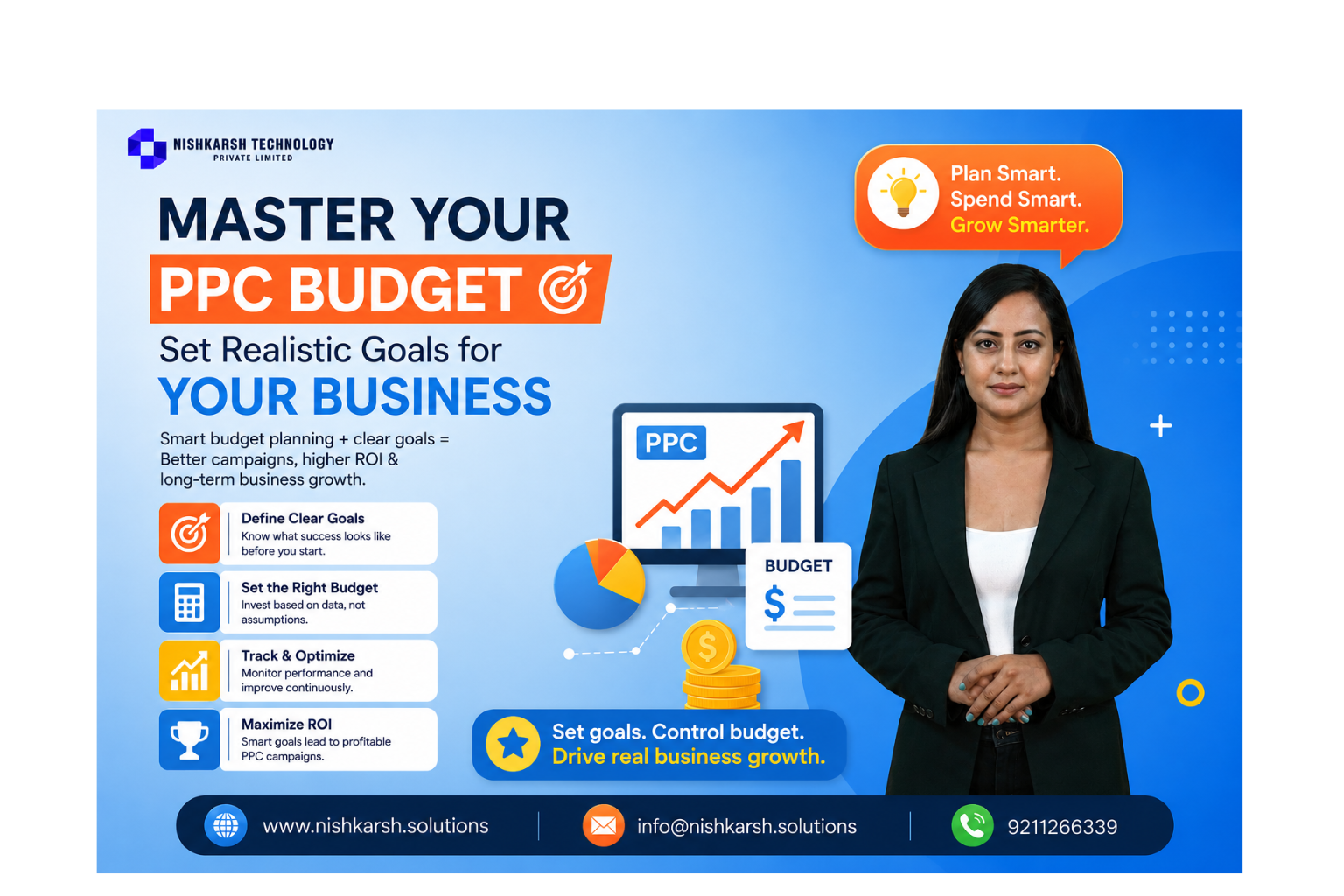
Master Your PPC Budget: Set Realistic Goals for Your Business
How to Set a Realistic PPC Budget for Your Business in 2026
In the ever-evolving world of digital marketing, Pay-Per-Click (PPC) advertising remains a powerful tool for businesses to reach their target audience. However, setting a realistic PPC budget is crucial to ensure your campaigns are effective and profitable. This guide will walk you through the steps to create a budget that aligns with your business goals and market conditions in 2026 and beyond.
Understanding PPC Advertising
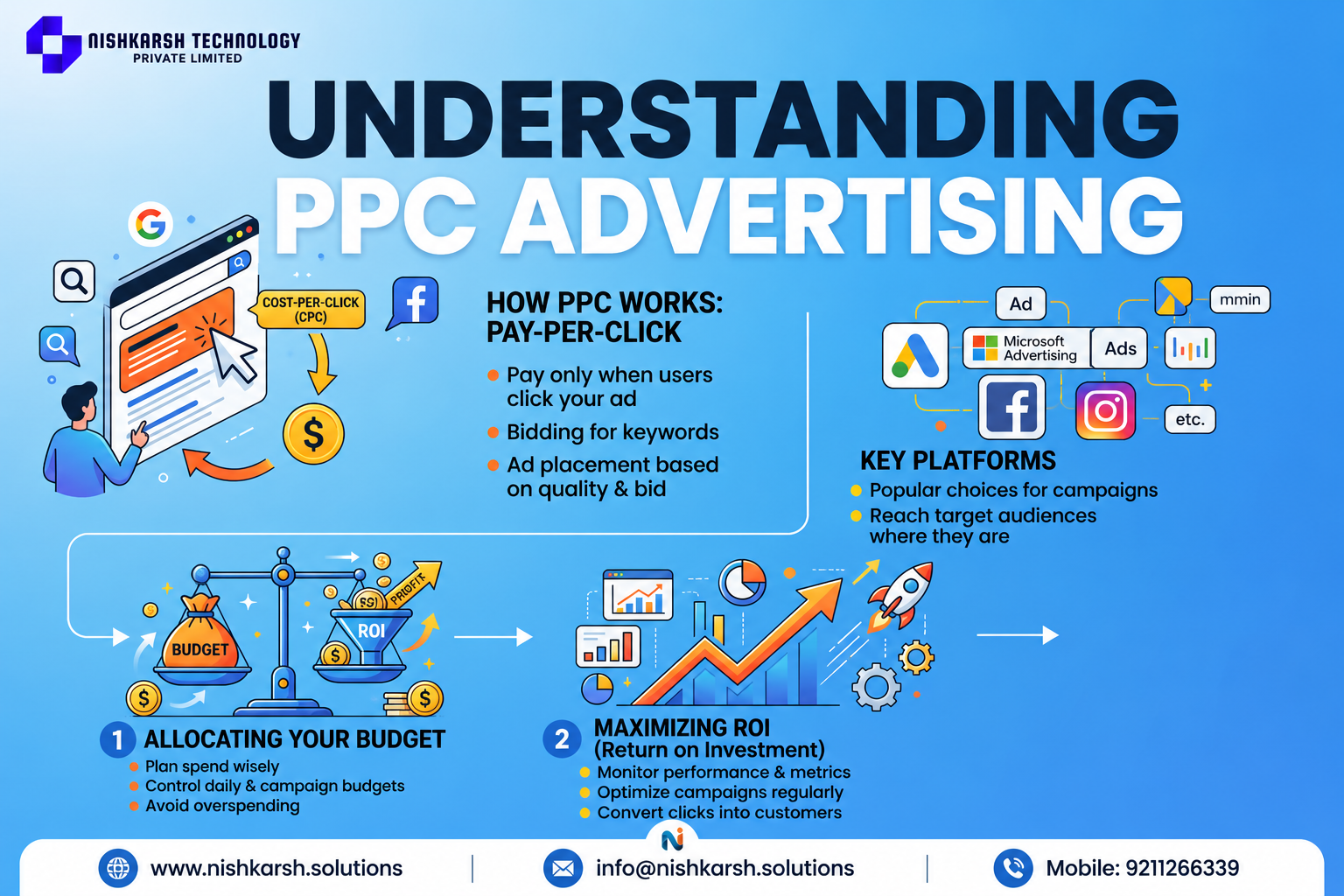
PPC advertising involves paying for each click on your ads. Platforms like Google Ads, Bing Ads, and social media ads are popular choices. The key is to allocate your budget wisely to maximize your return on investment (ROI).
Key Factors to Consider
Several factors influence your PPC budget. These include your business objectives, target audience, competition, and market trends. Let's dive into each of these in detail.
Business Objectives
Start by defining your business objectives. Are you aiming to increase brand awareness, drive sales, or generate leads? Different objectives require different budget allocations. For instance, brand awareness campaigns might need a higher budget initially, while lead generation campaigns might focus on cost-per-lead (CPL).
Target Audience
Knowing your target audience is essential. The more specific your audience, the more precise your budget can be. For example, if you're targeting tech-savvy millennials, your budget might be higher due to the potential for higher engagement and conversion rates.
Competition
Competition in the PPC space can vary significantly. Highly competitive niches will require a higher budget to outrank competitors. Use tools like Google Keyword Planner and SEMrush to analyze your competition and adjust your budget accordingly.
Market Trends
Stay updated with the latest market trends. In 2026, AI-driven ad targeting and programmatic advertising are expected to dominate. These trends might require a higher budget to keep up with the latest technologies.
Budget Allocation Strategies
Once you've considered the key factors, it's time to allocate your budget effectively. Here are some strategies to help you:
Daily Budget
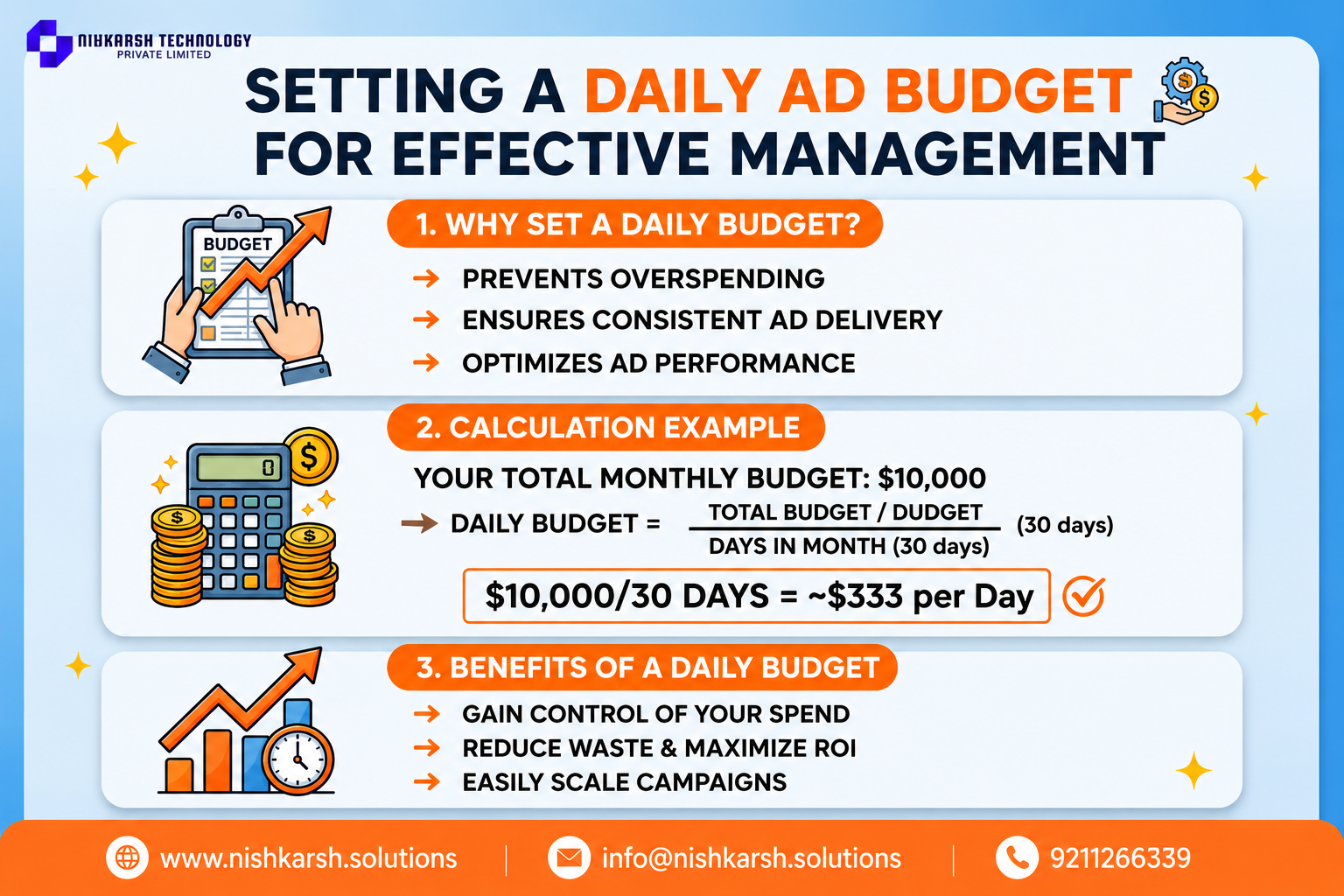
Set a daily budget to ensure you don't overspend. This helps in managing your ad spend more effectively. For example, if your total budget is $10,000 for a month, your daily budget would be around $333.
Keyword Budgeting
Allocate your budget based on keywords. High-converting keywords might need a higher budget. Use tools like Google Ads Keyword Planner to identify these keywords and allocate your budget accordingly.
Ad Group Budgeting
Create separate ad groups for different types of ads (e.g., search ads, display ads). Allocate a portion of your budget to each ad group based on their expected performance.
Bid Strategies
Use advanced bid strategies like Target CPA (Cost Per Acquisition) or Target ROAS (Return on Ad Spend) to optimize your budget. These strategies help in maximizing your ROI by adjusting bids based on performance metrics.
Monitoring and Adjusting Your Budget
Regular monitoring is crucial to ensure your PPC budget is performing as expected. Here are some steps to monitor and adjust your budget:
Performance Metrics
Track key performance metrics like CTR (Click-Through Rate), CPC (Cost Per Click), and conversion rate. Tools like Google Analytics and Google Ads can help you monitor these metrics.
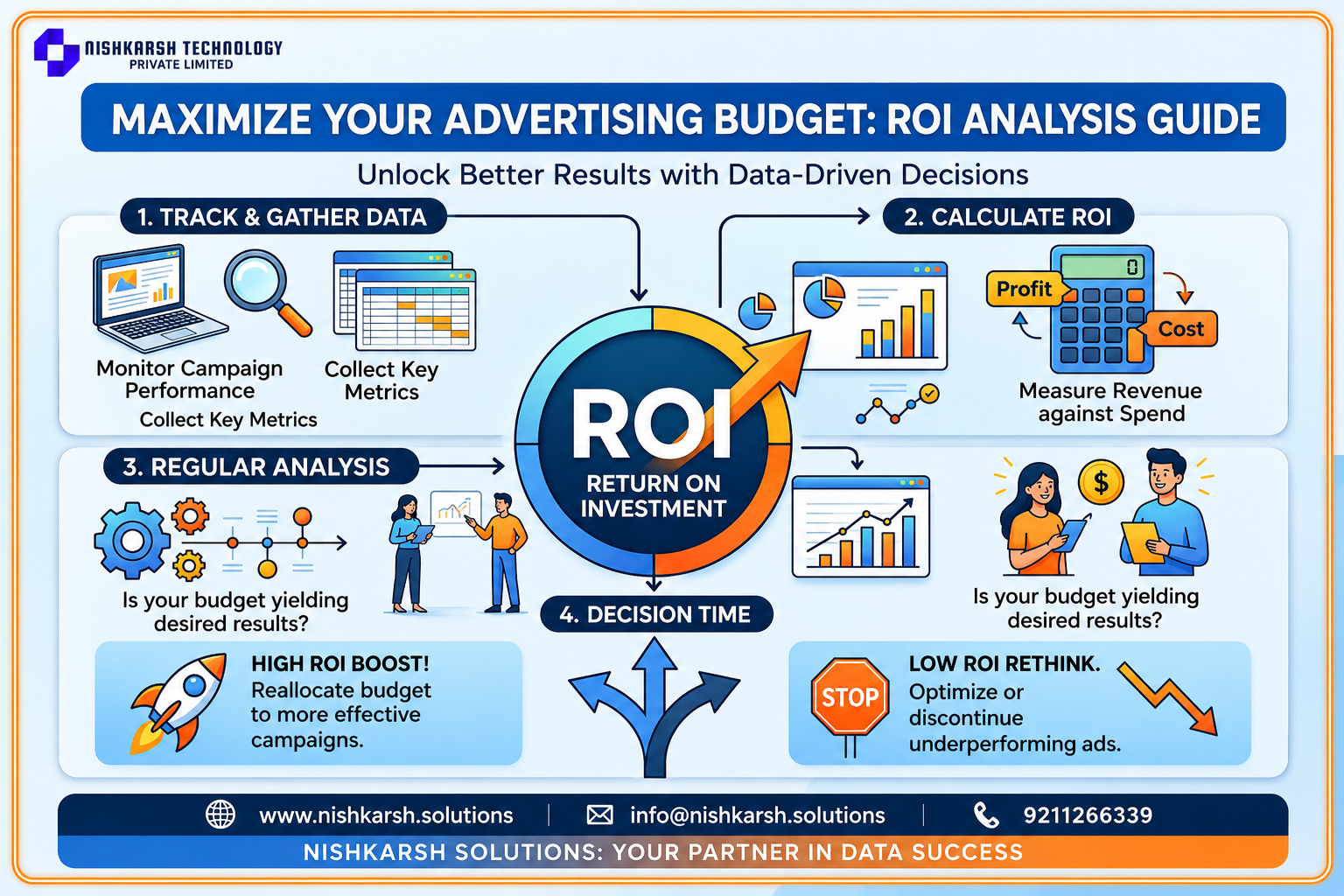
ROI Analysis
Regularly analyze your ROI to understand if your budget is yielding the desired results. If the ROI is low, consider reallocating your budget to more effective campaigns.
Seasonal Adjustments
Adjust your budget based on seasonal trends. For example, if you're an e-commerce business, you might increase your budget during holiday seasons to capitalize on higher sales.
Competitor Analysis
Keep an eye on your competitors' PPC activities. If they're increasing their budget, you might need to do the same to stay competitive.
Case Studies and Real-World Examples
Let's look at some real-world examples to understand how businesses have set their PPC budgets effectively.
E-commerce Giant: Amazon
Amazon, one of the largest e-commerce platforms, has a massive PPC budget. They use advanced AI and machine learning to optimize their ads, ensuring high ROI. Their budget allocation is dynamic, adjusting based on real-time data and market trends.
Tech Startup: Slack
Slack, the popular communication platform, started with a modest PPC budget. They focused on high-converting keywords and used retargeting to maximize their ROI. Their budget grew over time as they scaled their user base and market reach.
Healthcare Provider: WebMD
WebMD, a leading healthcare provider, has a significant PPC budget. They target healthcare professionals and patients, using targeted ads to drive traffic and conversions. Their budget is allocated based on the expected ROI from different ad groups.
Future Trends in PPC Budgeting
Looking ahead, several trends are shaping the future of PPC budgeting. Let's explore these trends:
AI and Machine Learning
AI and machine learning are revolutionizing PPC advertising. These technologies help in predicting user behavior, optimizing ad placement, and adjusting bids in real-time. Expect to see a higher budget allocation for AI-driven campaigns in the future.
Programmatic Advertising
Programmatic advertising allows for automated buying and selling of ad inventory. This trend is expected to grow, requiring businesses to allocate a portion of their budget for programmatic campaigns.
Video Ads
Video ads are becoming more popular, especially on platforms like YouTube. With the rise of short-form video content, expect to see a higher budget allocation for video ads in the future.
Voice Search
Voice search is on the rise, driven by the increasing use of smart speakers. Businesses need to allocate a portion of their PPC budget for voice search optimization to capture this growing market.
Conclusion
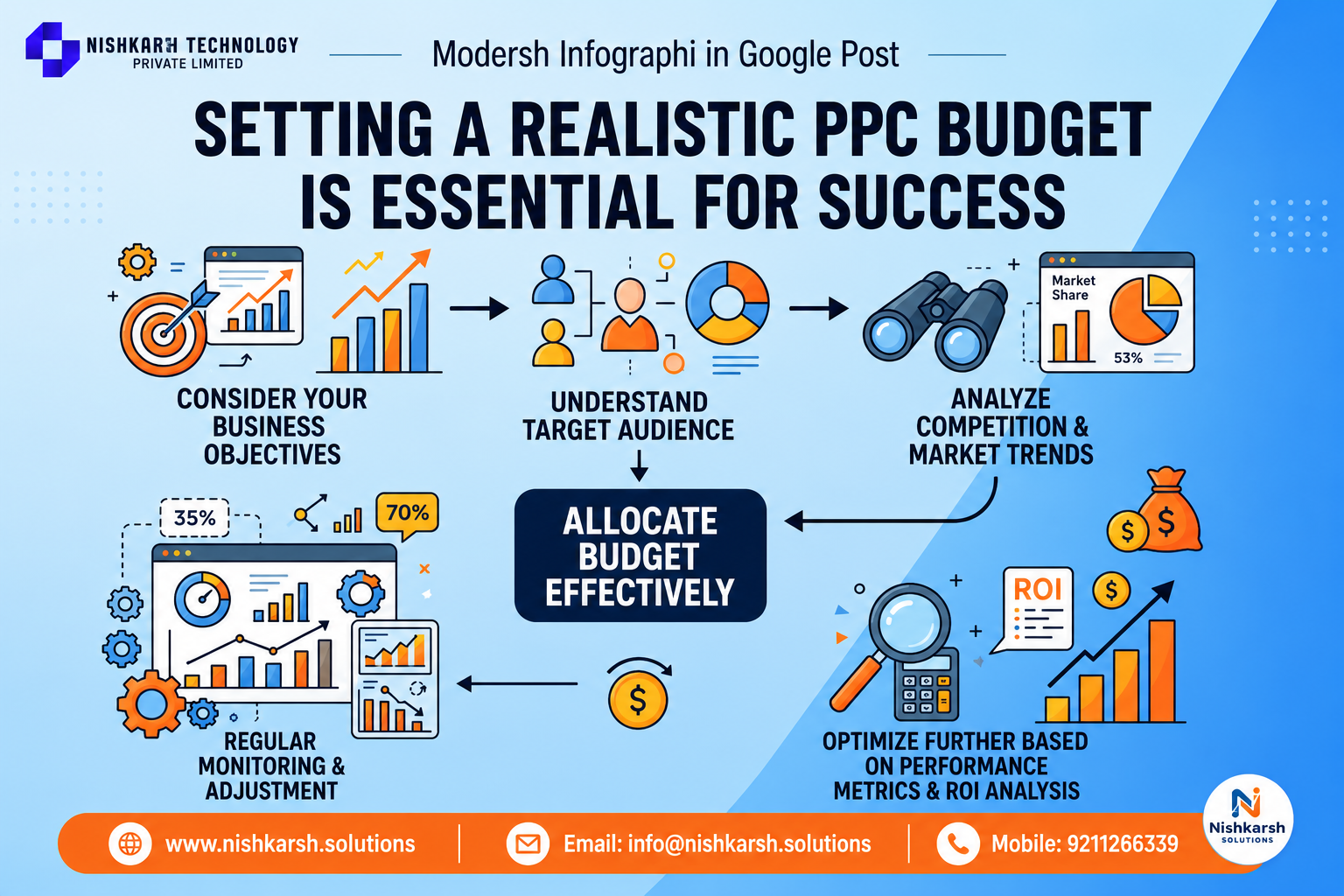
Setting a realistic PPC budget is essential for the success of your advertising campaigns. By considering your business objectives, target audience, competition, and market trends, you can allocate your budget effectively. Regular monitoring and adjustment based on performance metrics and ROI analysis will help you optimize your budget further.
Looking ahead, trends like AI, programmatic advertising, video ads, and voice search are shaping the future of PPC budgeting. Stay updated with these trends and adjust your budget allocation accordingly to maximize your ROI.
Remember, PPC advertising is an ongoing process. Regularly review and update your budget to align with your business goals and market conditions. With the right strategy and continuous optimization, you can achieve significant results from your PPC campaigns.