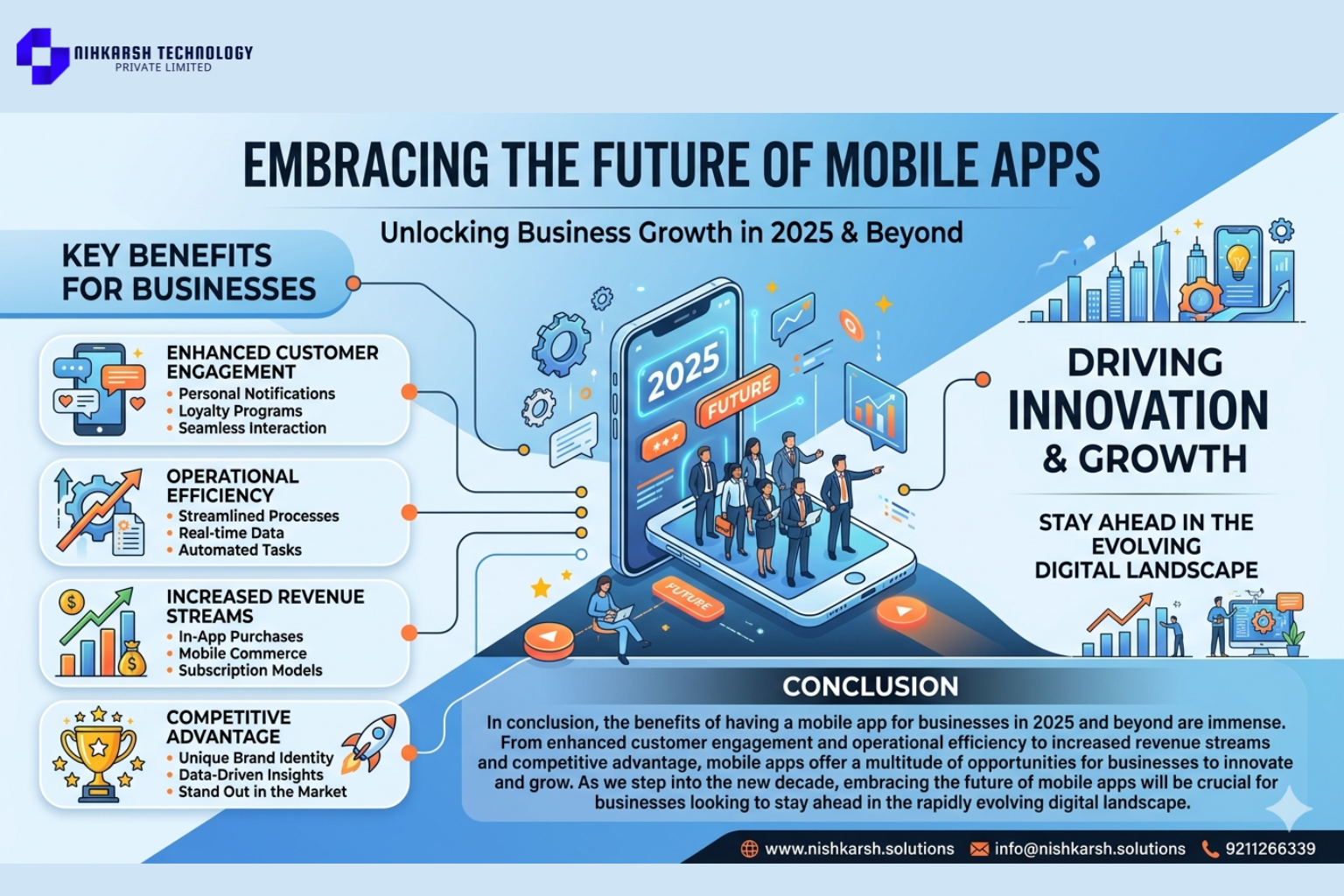
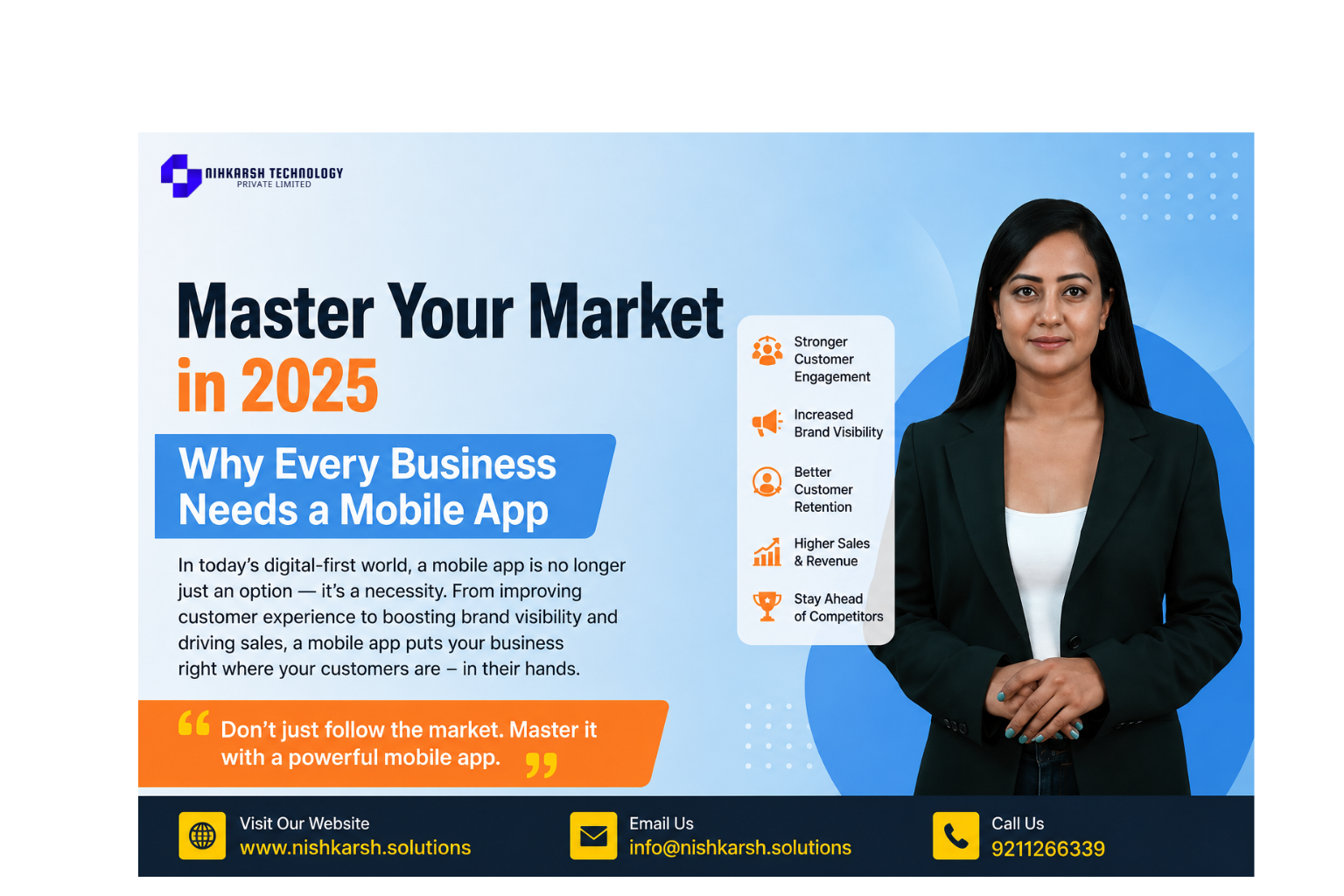
Master Your Market in 2025: Why Every Business Needs a Mobile App
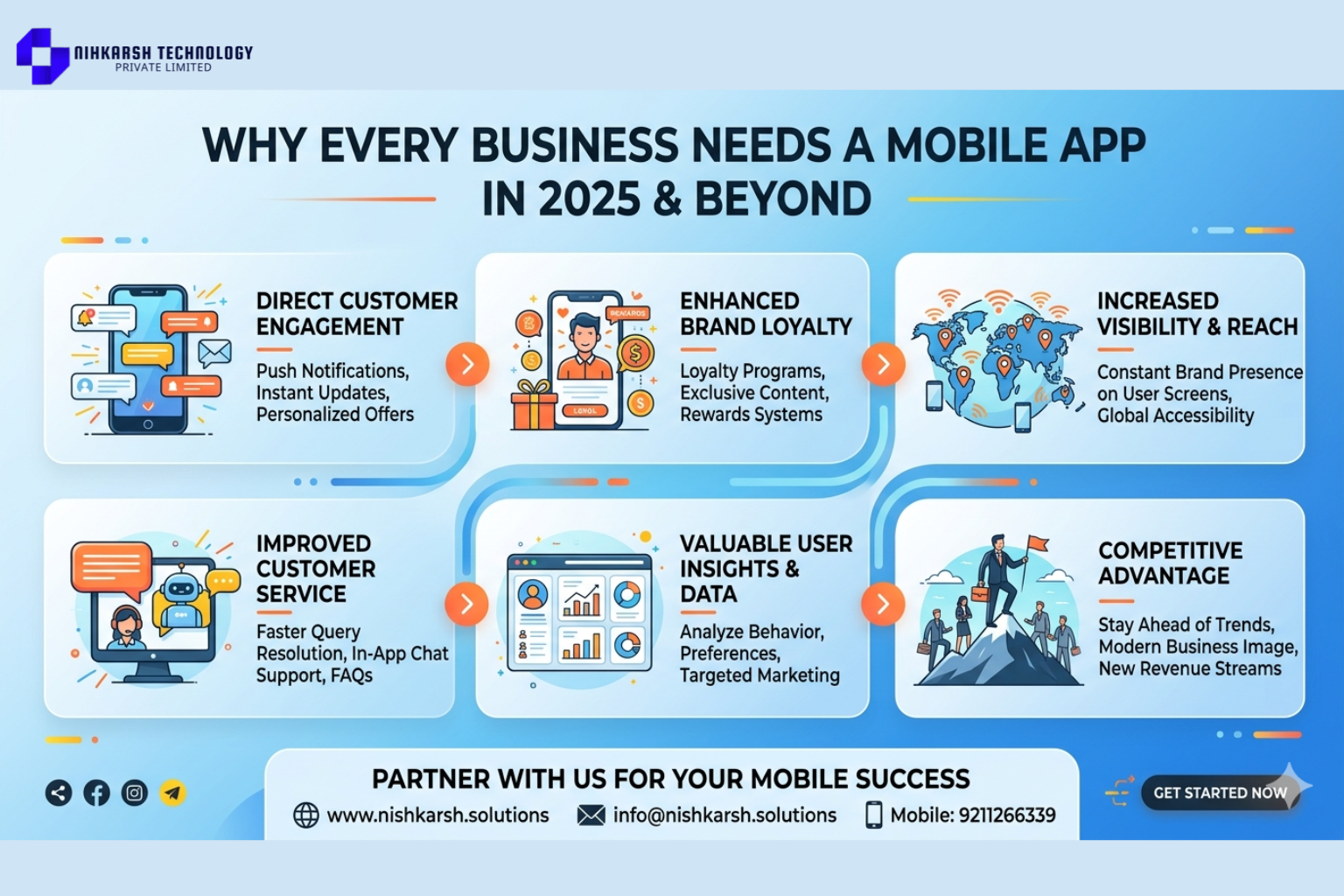
Why Every Business Needs a Mobile App in 2025
In the rapidly evolving digital landscape of 2026, the presence of a mobile application is no longer a luxury but a necessity for businesses. As we step into the new decade, the importance of mobile apps is becoming more pronounced than ever. This comprehensive guide will delve into why every business needs a mobile app in 2025 and beyond, providing insights, trends, and practical examples to support your decision.
In-Depth Introduction
Mobile apps have transcended from being a convenience to becoming a critical tool for businesses to engage with their customers, streamline operations, and drive growth. With the global mobile app market expected to reach $188.9 billion by 2025, according to Statista, it's clear that mobile apps are here to stay. This post will explore the multifaceted benefits of mobile apps, the current trends shaping the industry, and how businesses can leverage these technologies to stay ahead in 2025 and beyond.
Enhanced Customer Engagement
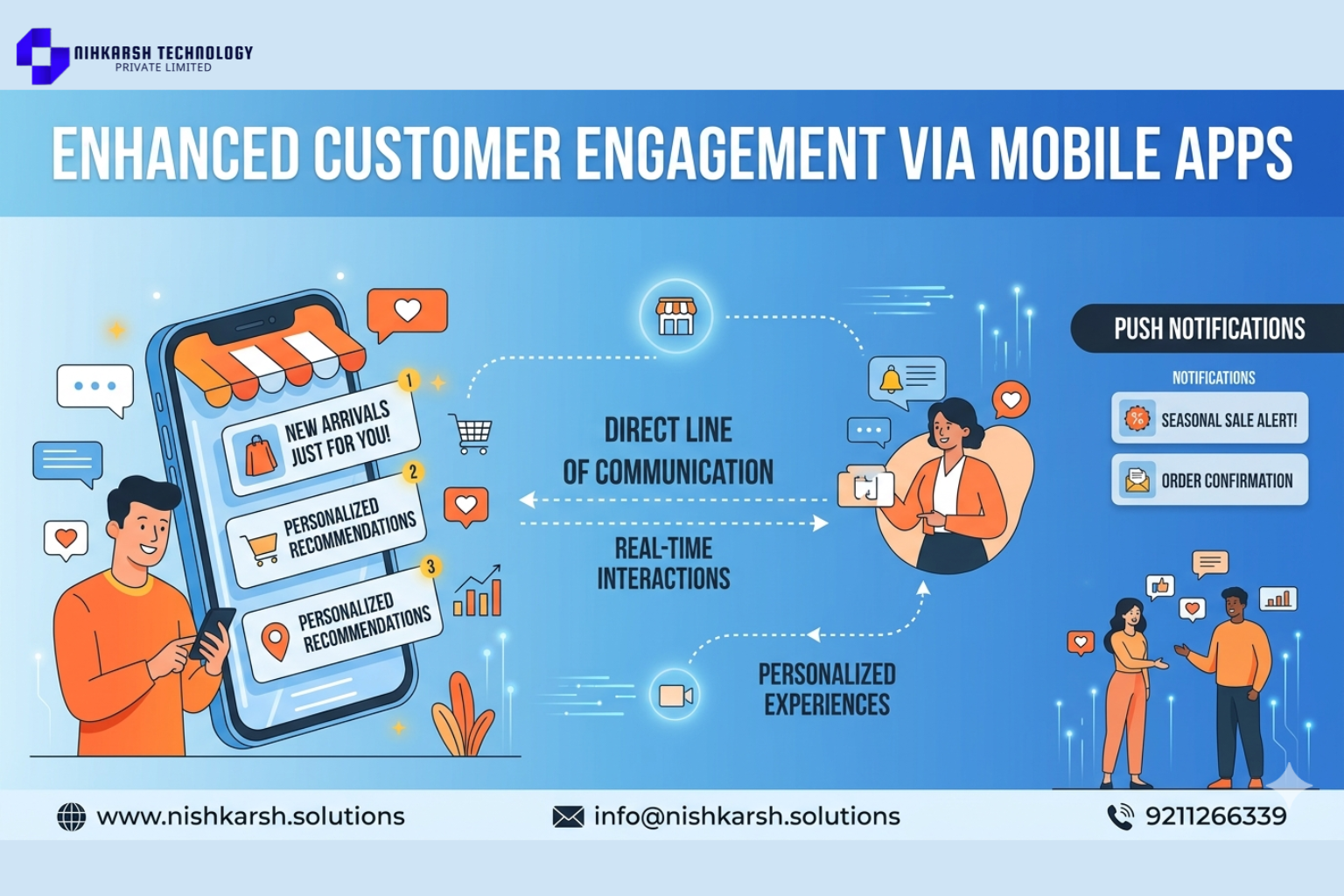
One of the most significant advantages of having a mobile app is the enhanced customer engagement it offers. Mobile apps provide a direct line of communication between businesses and their customers, allowing for real-time interactions and personalized experiences. For instance, a retail app can send push notifications for sales, new arrivals, or personalized recommendations based on a customer's browsing history.
Personalization and Targeted Marketing
Mobile apps enable businesses to collect and analyze customer data to deliver personalized experiences. This level of personalization can significantly boost customer satisfaction and loyalty. For example, a food delivery app can suggest dishes based on a user's past orders and location, creating a seamless and enjoyable user experience.
Customer Support
Mobile apps also provide a convenient platform for customer support. Users can access FAQs, chat with support agents, or even make purchases directly from the app, reducing the need for multiple interactions and increasing efficiency.
Operational Efficiency
Beyond customer engagement, mobile apps can significantly enhance operational efficiency. They allow businesses to automate processes, reduce manual effort, and improve decision-making. For instance, a logistics company can use a mobile app to track shipments in real-time, optimize routes, and provide updates to customers, all from a single platform.
Inventory Management
Retailers can use mobile apps to manage inventory more effectively. Real-time updates on stock levels help in preventing stockouts and overstocking, ensuring that products are always available when needed. This not only improves customer satisfaction but also reduces operational costs.
Process Automation
Automating repetitive tasks through mobile apps can save time and reduce errors. For example, a manufacturing company can use a mobile app to automate quality checks, ensuring consistency and accuracy in production processes.
Data Collection and Analytics
Mobile apps are powerful tools for data collection and analytics. They can gather vast amounts of data from users, which can be analyzed to gain insights into customer behavior, market trends, and operational efficiencies. This data-driven approach can inform strategic decisions and improve overall business performance.
Customer Behavior Insights
By analyzing user data, businesses can gain valuable insights into customer behavior. This can help in understanding what products or services are most popular, identifying trends, and tailoring marketing strategies to better meet customer needs.
Operational Analytics
Mobile apps can also provide operational analytics, helping businesses to identify bottlenecks, optimize processes, and improve overall efficiency. For example, a healthcare app can track patient data, identify trends, and provide recommendations for better patient care.
Increased Revenue Streams
Mobile apps can open up new revenue streams for businesses. They can be used to offer additional services, sell products, or even create new business models. For instance, a fitness app can offer premium memberships, in-app purchases for workout plans, or even partner with gyms for discounted memberships.
In-App Purchases
Many businesses are leveraging in-app purchases to generate additional revenue. This can include virtual goods, subscriptions, or premium features. For example, a gaming app can offer in-app purchases for additional levels, characters, or special abilities.
Partnerships and Collaborations
Mobile apps can facilitate partnerships and collaborations, creating new revenue streams. For example, a food delivery app can partner with local restaurants to offer exclusive deals, increasing both the app's user base and the restaurants' sales.
Competitive Advantage
In today's competitive business landscape, having a mobile app can provide a significant competitive advantage. It allows businesses to differentiate themselves from competitors, offer unique value propositions, and attract a loyal customer base. For instance, a banking app that offers advanced features like AI-driven financial advice and seamless transactions can attract more customers than traditional banking methods.
Unique Value Propositions
Mobile apps enable businesses to offer unique value propositions that set them apart from competitors. This can include exclusive content, personalized recommendations, or innovative features that solve specific customer pain points.
Customer Loyalty Programs
Mobile apps can be used to implement customer loyalty programs, rewarding loyal customers with exclusive perks, discounts, or even cashback. This not only increases customer retention but also drives repeat business.
Trends Shaping the Mobile App Industry in 2025
The mobile app industry is constantly evolving, with new trends emerging every year. In 2025, several trends are expected to shape the industry, offering businesses new opportunities to innovate and stay ahead.
AI and Machine Learning
Artificial Intelligence (AI) and Machine Learning (ML) are becoming increasingly integrated into mobile apps. These technologies can enhance user experiences by providing personalized recommendations, predicting user needs, and automating tasks. For example, a personal finance app can use AI to analyze spending patterns and provide personalized financial advice.
Augmented Reality (AR) and Virtual Reality (VR)
AR and VR technologies are expected to gain traction in 2025. These technologies can create immersive user experiences, making mobile apps more engaging and interactive. For instance, a real estate app can use AR to allow users to visualize properties in 3D, providing a more realistic and engaging experience.
5G Technology
The rollout of 5G technology is expected to accelerate in 2025, offering faster internet speeds and lower latency. This can significantly enhance the performance of mobile apps, making them more responsive and efficient. For example, a gaming app can benefit from 5G technology by offering smoother gameplay and reduced lag.
Challenges and Considerations
While the benefits of mobile apps are numerous, there are also challenges and considerations that businesses need to keep in mind. Understanding these can help in making informed decisions and creating successful mobile app strategies.
Development Costs
Developing a mobile app can be costly, involving expenses for design, development, testing, and maintenance. Businesses need to weigh the potential benefits against these costs to ensure that developing a mobile app is a viable investment.
User Experience
Ensuring a seamless and intuitive user experience is crucial for the success of a mobile app. Businesses need to focus on creating apps that are easy to navigate, visually appealing, and functional, providing value to users from the first interaction.
Security and Privacy
With the increasing amount of data collected through mobile apps, security and privacy concerns are paramount. Businesses need to implement robust security measures to protect user data and ensure compliance with relevant regulations.
Case Studies: Successful Mobile App Implementations
Looking at successful mobile app implementations can provide valuable insights into what works and what doesn't. Here are a few case studies that highlight best practices in mobile app development.
Uber
Uber's mobile app revolutionized the ride-hailing industry by providing a seamless, user-friendly experience. The app's success can be attributed to its intuitive design, real-time updates, and integration with various payment methods. Uber's app has not only transformed the way people travel but has also set a benchmark for other industries looking to develop mobile apps.
Duolingo
Duolingo's language learning app has gained a massive user base by offering a gamified, engaging learning experience. The app's success can be attributed to its focus on user engagement, personalization, and continuous improvement based on user feedback.
Airbnb
Airbnb's mobile app has disrupted the hospitality industry by providing a platform for users to list and book accommodations. The app's success can be attributed to its user-friendly interface, comprehensive search and filter options, and seamless booking process.
Conclusion: Embracing the Future of Mobile Apps
In conclusion, the benefits of having a mobile app for businesses in 2025 and beyond are immense. From enhanced customer engagement and operational efficiency to increased revenue streams and competitive advantage, mobile apps offer a multitude of opportunities for businesses to innovate and grow. As we step into the new decade, embracing the future of mobile apps will be crucial for businesses looking to stay ahead in the rapidly evolving digital landscape.
As we look towards 2025, the trends in AI, AR, VR, and 5G technology are set to transform the mobile app industry even further. Businesses that are proactive in adopting these technologies and staying updated with the latest trends will be well-positioned to capitalize on the opportunities they present.
However, it's essential to remember that developing a mobile app is not just about technology; it's about understanding your customers, their needs, and their behaviors. By focusing on creating value for users and providing a seamless, engaging experience, businesses can create successful mobile apps that drive growth and success.
So, are you ready to embrace the future of mobile apps and take your business to the next level? The time to act is now.