
Master Your App Choice Native vs Hybrid vs Web Apps
How to Choose Between Native, Hybrid, and Web Apps in 2026
In the ever-evolving landscape of mobile app development, choosing the right type of app—native, hybrid, or web—can be a daunting task. Each type has its own set of advantages and disadvantages, and the best choice depends on your specific project requirements and goals. By the year 2026, the tech industry has seen significant advancements, and it's crucial to stay updated with the latest trends and best practices. This comprehensive guide will walk you through the key factors to consider when deciding between native, hybrid, and web apps.
Understanding the Basics
Before diving into the details, let's briefly understand what each type of app entails:
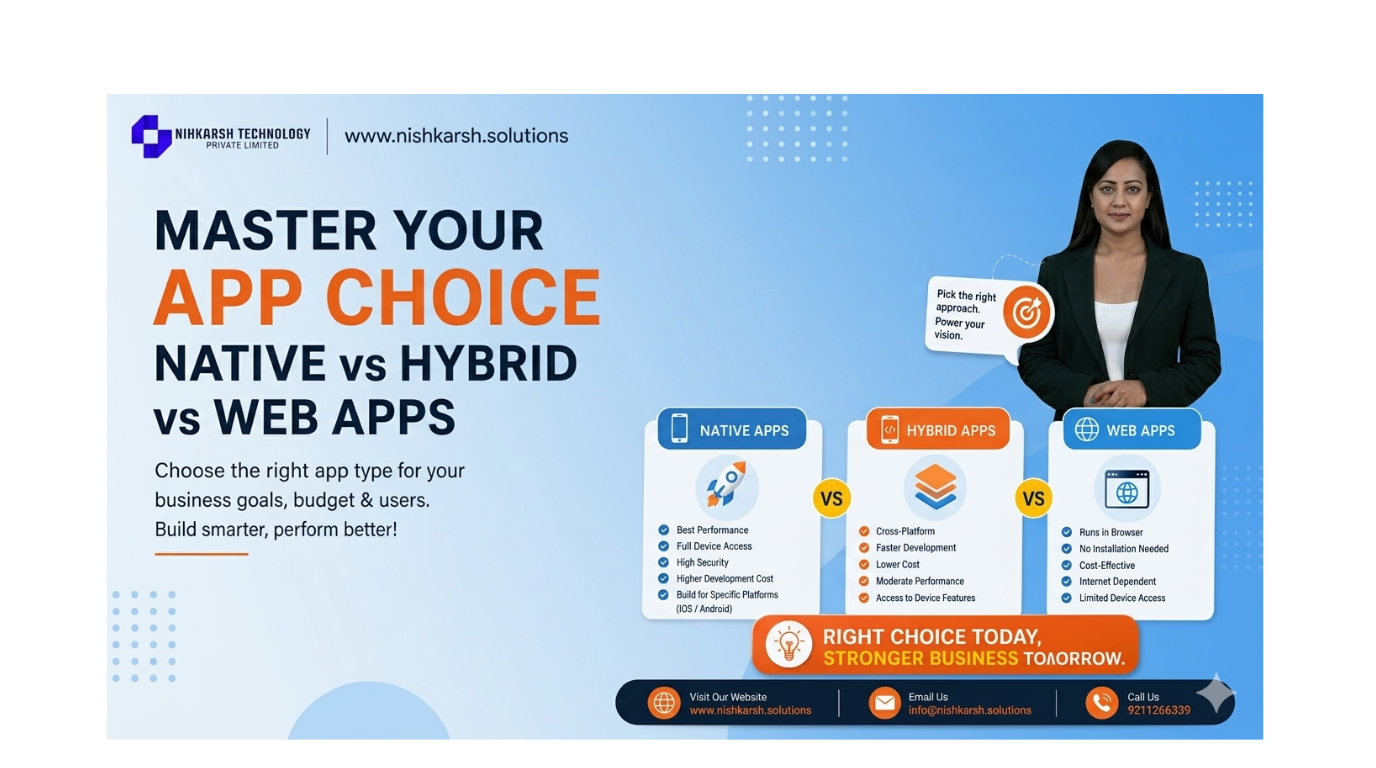
- Native Apps: These are developed specifically for a particular platform, such as iOS or Android, using the platform's native SDK (Software Development Kit). Examples include Instagram and Snapchat.
- Hybrid Apps: These apps use web technologies (HTML, CSS, JavaScript) and are wrapped in a native container using frameworks like React Native, Flutter, or Ionic. Examples include Facebook Lite and Twitter Lite.
- Web Apps: These are accessed via a web browser and do not require installation. Examples include Gmail and Google Docs.
Each type has its own set of strengths and weaknesses, and the best choice depends on your specific needs.
Performance and User Experience
Performance and user experience are critical factors when choosing between native, hybrid, and web apps.
Native Apps
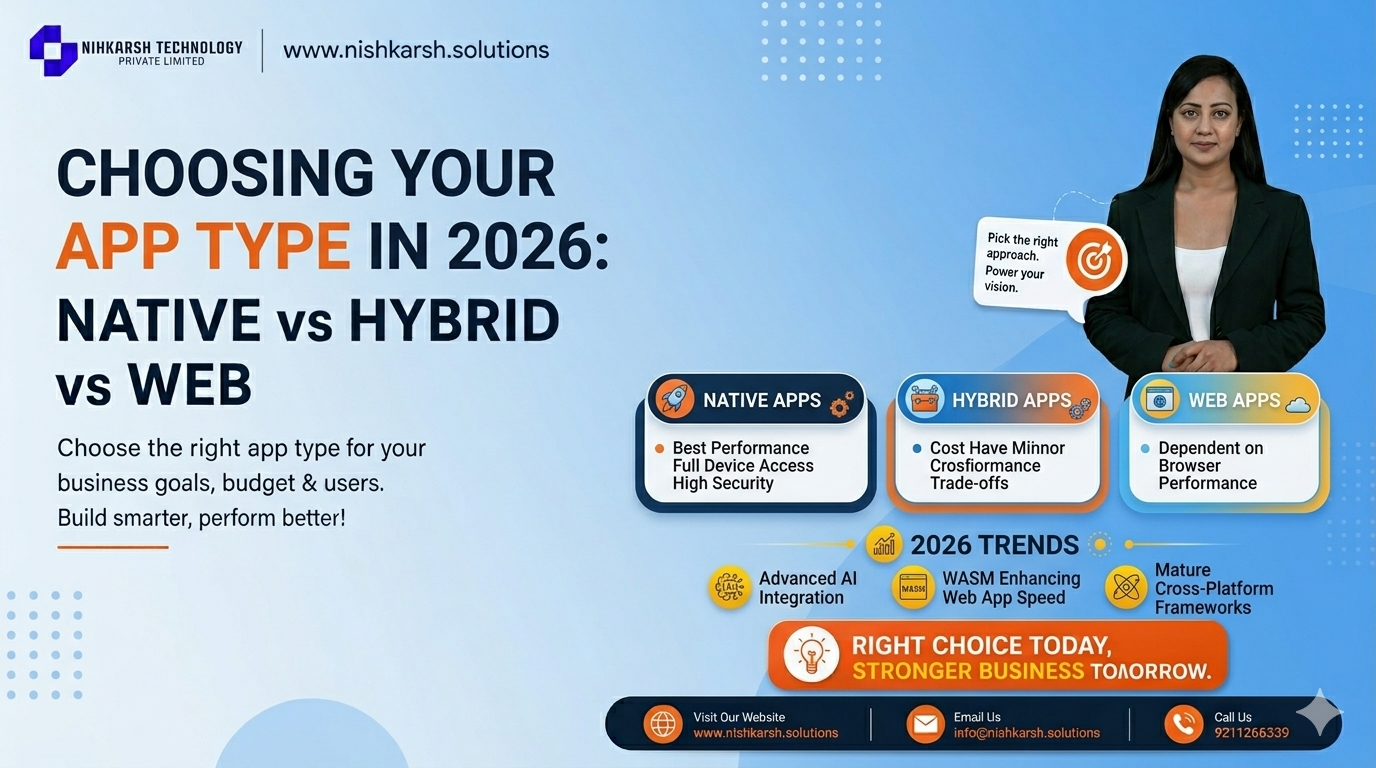
Native apps are known for their superior performance and user experience. They are optimized for the specific platform they are built for, allowing for smooth animations, fast load times, and seamless integration with device features like the camera and GPS. However, this comes at the cost of higher development time and resources.
Hybrid Apps
Hybrid apps offer a balance between performance and development speed. They can provide a near-native experience with optimized performance, but they may lack some platform-specific features. Modern frameworks like React Native and Flutter have significantly improved the performance of hybrid apps, making them a viable option for many projects.
Web Apps
Web apps are typically slower and less responsive than native or hybrid apps. They rely on the browser's rendering engine, which can be less efficient than native code. However, they offer the advantage of being accessible from any device with a web browser, making them ideal for certain types of applications.
Development Cost and Time
Development cost and time are significant considerations when choosing between app types.
Native Apps
Native app development requires separate teams for iOS and Android, leading to higher costs and longer development times. However, the initial investment can pay off in the long run with a more polished and feature-rich app.
Hybrid Apps
Hybrid apps can be developed more quickly and at a lower cost than native apps. A single codebase can be used for both iOS and Android, reducing development time and costs. However, the trade-off is a potential loss in performance and platform-specific features.
Web Apps
Web apps are generally the quickest and least expensive to develop. They can be created using standard web technologies and require no app store approvals. However, they may not offer the same level of performance and user experience as native or hybrid apps.
Accessibility and Distribution
Accessibility and distribution are crucial factors to consider when choosing between app types.
Native Apps
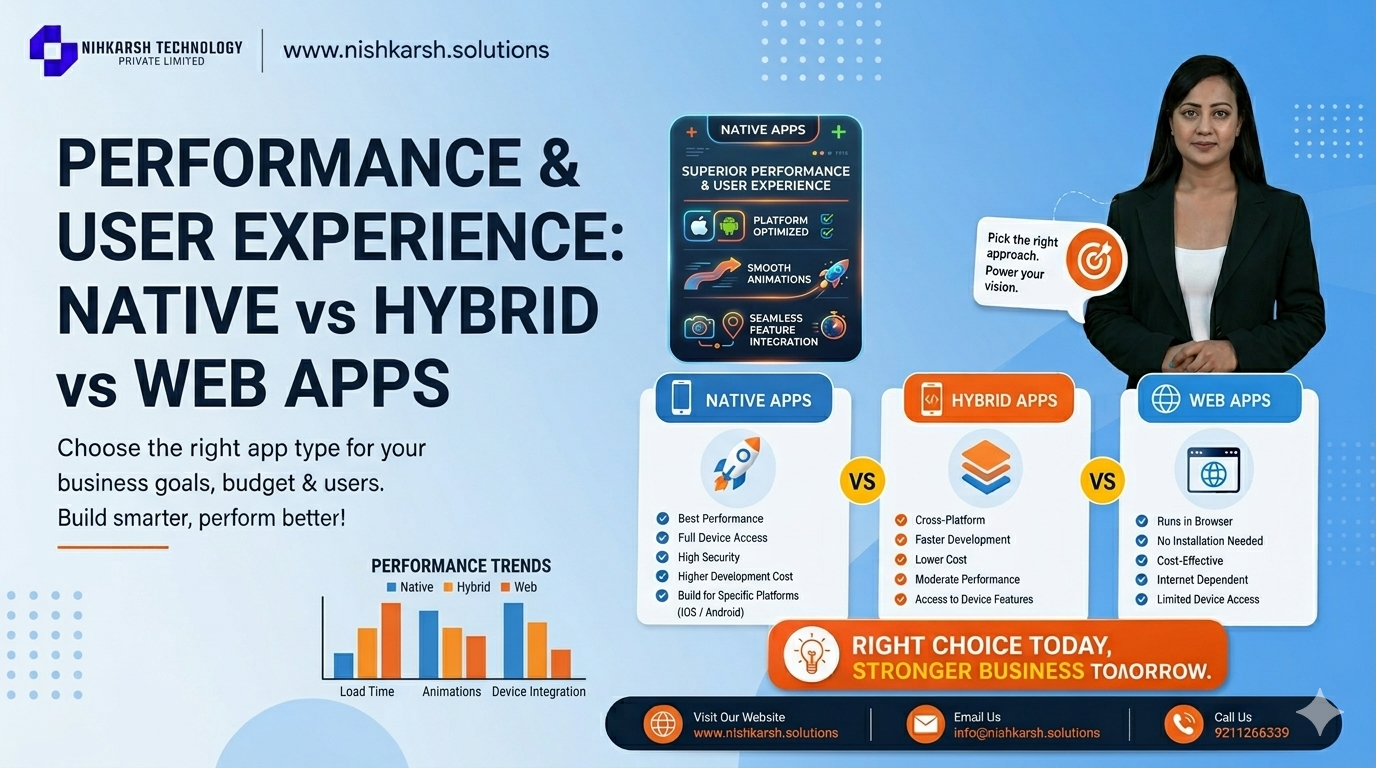
Native apps are distributed through app stores like the Apple App Store and Google Play Store. This ensures a smooth and secure user experience, but it also means that users must download and install the app. Native apps can also take advantage of platform-specific features like push notifications and in-app purchases.
Hybrid Apps
Hybrid apps can also be distributed through app stores, but they may face some limitations due to the use of web technologies. However, they can still take advantage of platform-specific features and offer a more seamless user experience than web apps.
Web Apps
Web apps are accessible from any device with a web browser, making them highly accessible. However, they may not offer the same level of integration with device features as native or hybrid apps. Additionally, web apps may not be indexed by search engines, making them less discoverable.
Security and Maintenance
Security and maintenance are essential considerations when choosing between app types.
Native Apps
Native apps are generally more secure than web apps, as they are not reliant on a browser's rendering engine. However, they may still be vulnerable to platform-specific security issues. Regular updates and maintenance are crucial to keep native apps secure.
Hybrid Apps
Hybrid apps can be more secure than web apps, but they may still be vulnerable to web-based security issues. Regular updates and maintenance are essential to keep hybrid apps secure. Additionally, hybrid apps may face security issues due to the use of web technologies.
Web Apps
Web apps are generally less secure than native or hybrid apps, as they are reliant on a browser's rendering engine. Regular updates and maintenance are crucial to keep web apps secure. Additionally, web apps may be vulnerable to cross-site scripting (XSS) and other web-based security issues.
Scalability and Future-Proofing
Scalability and future-proofing are important considerations when choosing between app types.
Native Apps
Native apps can be more scalable than web apps, as they are not reliant on a browser's rendering engine. However, they may still face scalability issues due to the use of platform-specific technologies. Regular updates and maintenance are crucial to keep native apps scalable.
Hybrid Apps
Hybrid apps can be more scalable than web apps, but they may still face scalability issues due to the use of web technologies. Regular updates and maintenance are essential to keep hybrid apps scalable. Additionally, hybrid apps may face scalability issues due to the use of a single codebase for multiple platforms.
Web Apps
Web apps are generally less scalable than native or hybrid apps, as they are reliant on a browser's rendering engine. Regular updates and maintenance are crucial to keep web apps scalable. Additionally, web apps may face scalability issues due to the use of web technologies.
Use Cases and Best Practices
Different types of apps are suited for different use cases. Here are some best practices for each type:
Native Apps
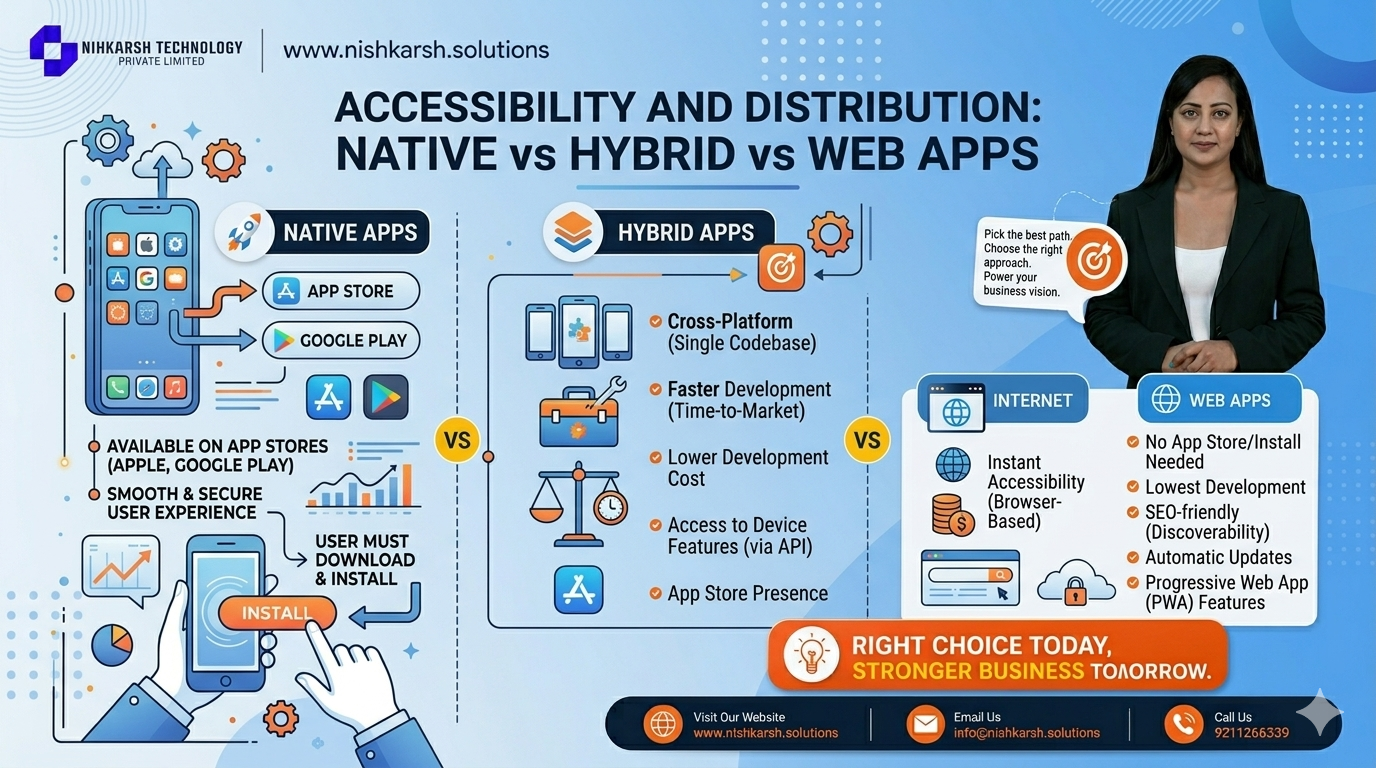
Native apps are best suited for applications that require high performance, seamless integration with device features, and a rich user experience. Examples include gaming apps, social media apps, and productivity apps. Best practices include:
- Using platform-specific SDKs and APIs
- Optimizing for performance and user experience
- Regularly updating and maintaining the app
Hybrid Apps
Hybrid apps are best suited for applications that require a balance between performance, development speed, and cost. Examples include business apps, e-commerce apps, and internal tools. Best practices include:
- Using modern frameworks like React Native, Flutter, or Ionic
- Optimizing for performance and user experience
- Regularly updating and maintaining the app
Web Apps
Web apps are best suited for applications that require high accessibility and do not require platform-specific features. Examples include blogs, portfolios, and simple tools. Best practices include:
- Using responsive design principles
- Optimizing for performance and user experience
- Regularly updating and maintaining the app
Conclusion
Choosing between native, hybrid, and web apps depends on your specific project requirements and goals. Native apps offer superior performance and user experience but come at a higher cost and longer development time. Hybrid apps provide a balance between performance, development speed, and cost, while web apps offer high accessibility but may lack performance and platform-specific features.
By considering factors like performance, development cost and time, accessibility, security, scalability, and use cases, you can make an informed decision about the best type of app for your project. Staying updated with the latest trends and best practices in 2026 will help you make the best choice for your app development needs.
Whether you choose native, hybrid, or web, remember that the key to a successful app is a user-centered design, regular updates, and maintenance. Good luck with your app development journey!