
Master PPC Mistakes to Avoid as a Beginner
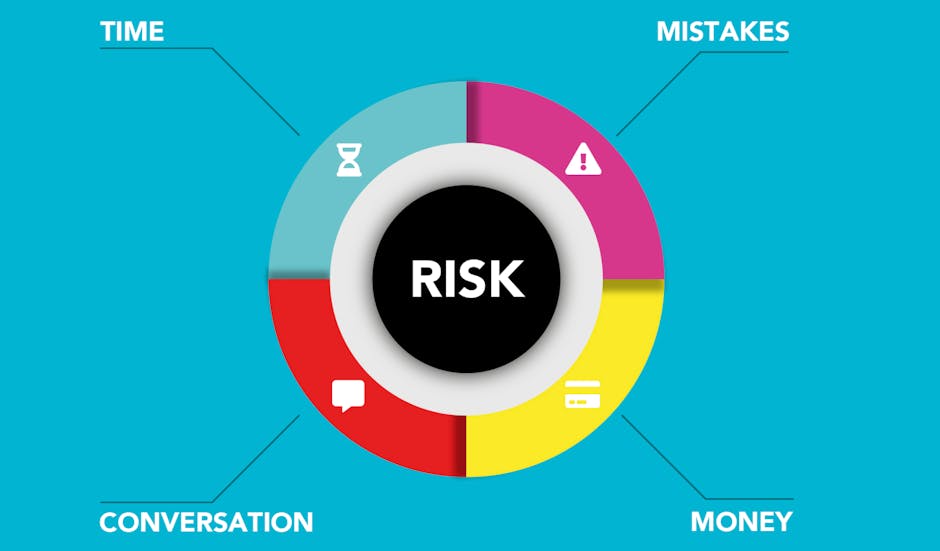
Common PPC Mistakes Beginners Should Avoid in 2026
Pay-per-click (PPC) advertising has become a cornerstone of digital marketing strategies. With the ever-evolving landscape of search engines and digital advertising, it's crucial for beginners to avoid common mistakes that can derail their campaigns. In 2026, with advancements in AI and machine learning, PPC strategies have become even more sophisticated. This guide will help you navigate the complexities and ensure your PPC campaigns are on the right track from the start.
Understanding PPC in 2026
In 2026, PPC advertising has integrated AI-driven optimization tools that can predict user behavior and adjust bids in real-time. This means that manual adjustments are less necessary, but understanding the fundamentals is still key. Let's dive into the common mistakes beginners should avoid.
1. Ignoring Keyword Research
Keyword research is the backbone of any successful PPC campaign. In 2026, tools like Google Keyword Planner, SEMrush, and Ahrefs have advanced to offer AI-driven insights. These tools can predict search volume, competition, and even the likelihood of a keyword converting into a sale. Ignoring this step can lead to wasted ad spend on irrelevant keywords.
Example: A beginner might start with broad keywords like "shoes" without understanding that "running shoes for women" has higher conversion rates.
2. Overlooking Bid Management
Bid management is crucial for optimizing your PPC campaigns. In 2026, automated bid strategies are common, but manual adjustments are still necessary for fine-tuning. Beginners often overlook this, leading to inefficient spending and missed opportunities.
Practical Insight: Use tools like Google Ads' Enhanced CPC (eCPC) bidding strategy to automatically optimize your bids based on your campaign's performance.
3. Neglecting Ad Copy Optimization
Ad copy is the first interaction users have with your brand. In 2026, AI can help create optimized ad copies, but human touch is still necessary for creativity and relevance. Beginners often focus solely on keywords, neglecting the importance of compelling ad copy.
Example: An ad for "running shoes" might have a generic headline like "Buy Running Shoes" instead of "Run Faster with Our New Running Shoes."
4. Failing to Monitor and Adjust
PPC campaigns require constant monitoring. In 2026, real-time analytics and AI-driven insights make this easier, but beginners often miss out on adjusting their campaigns based on performance data. This can lead to stagnant campaigns and missed opportunities.
Practical Insight: Set up Google Analytics goals and use conversion tracking to monitor the performance of your PPC campaigns. Adjust your bids, keywords, and ad copy based on these insights.
5. Ignoring Landing Page Quality
Landing pages are the destination for users who click on your ads. In 2026, landing pages need to be not just informative but also engaging and optimized for conversions. Beginners often overlook this, leading to high bounce rates and low conversion rates.
Example: A landing page for "running shoes" might have a cluttered design and irrelevant information, causing users to leave without making a purchase.
6. Not Utilizing Remarketing
Remarketing is a powerful tool for retargeting users who have interacted with your brand but didn't convert. In 2026, remarketing lists can be segmented using AI to target users with high intent. Beginners often miss out on this opportunity, leading to lost sales.
Practical Insight: Use Google Ads' remarketing lists to target users who visited your website but didn't make a purchase. Create tailored ads and offers to encourage them to complete their purchase.
7. Overlooking Mobile Optimization
With the rise of mobile usage, mobile optimization is crucial for PPC campaigns. In 2026, Google's mobile-first indexing means that mobile-friendly sites rank higher. Beginners often overlook this, leading to poor mobile performance and lost traffic.
Example: A website that isn't mobile-friendly might have a high bounce rate on mobile devices, leading to poor performance in mobile search results.

8. Neglecting Negative Keywords
Negative keywords help you exclude irrelevant searches from your PPC campaigns. In 2026, AI can suggest negative keywords based on your campaign's performance. Beginners often miss out on this, leading to wasted ad spend on irrelevant searches.
Practical Insight: Use Google Ads' negative keyword lists to exclude searches that don't align with your campaign's goals. Regularly review and update your negative keyword lists based on performance data.
9. Failing to Leverage Display Network
The Google Display Network is a vast ecosystem of websites where your ads can appear. In 2026, AI-driven targeting makes it easier to reach the right audience. Beginners often miss out on this opportunity, leading to underutilized ad spend.
Example: A beginner might focus solely on search ads, missing out on the potential of display ads that can reach users across the web.
10. Ignoring Local SEO for Local PPC
For local businesses, local SEO and PPC are essential. In 2026, Google's local pack and local services ads make it easier for local businesses to appear in search results. Beginners often overlook this, leading to missed opportunities for local customers.
Practical Insight: Use Google My Business to optimize your local listings and appear in local search results. Create location-specific ads and use geotargeting to reach local customers.
Conclusion
PPC advertising in 2026 is more sophisticated than ever, with AI and machine learning playing significant roles. By avoiding these common mistakes, beginners can set their PPC campaigns on the right path to success. Keyword research, bid management, ad copy optimization, monitoring, landing page quality, remarketing, mobile optimization, negative keywords, and leveraging the display network are all crucial aspects of a successful PPC strategy.
Remember, PPC is an ongoing process that requires constant adjustment and optimization. Stay informed about the latest trends and tools, and don't be afraid to experiment with different strategies to find what works best for your business.
Good luck with your PPC campaigns, and happy advertising!