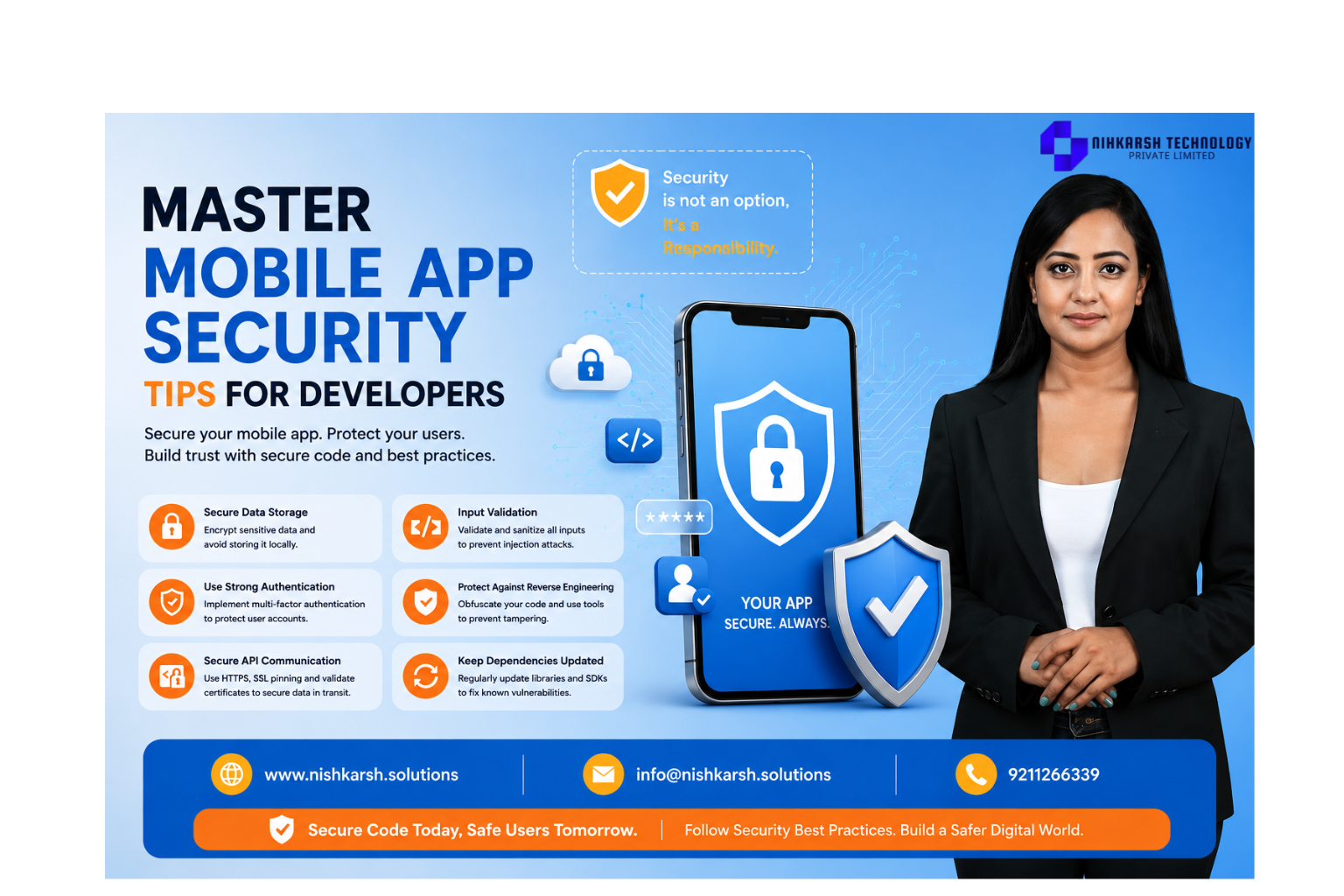
Master Mobile App Security Tips for Developers
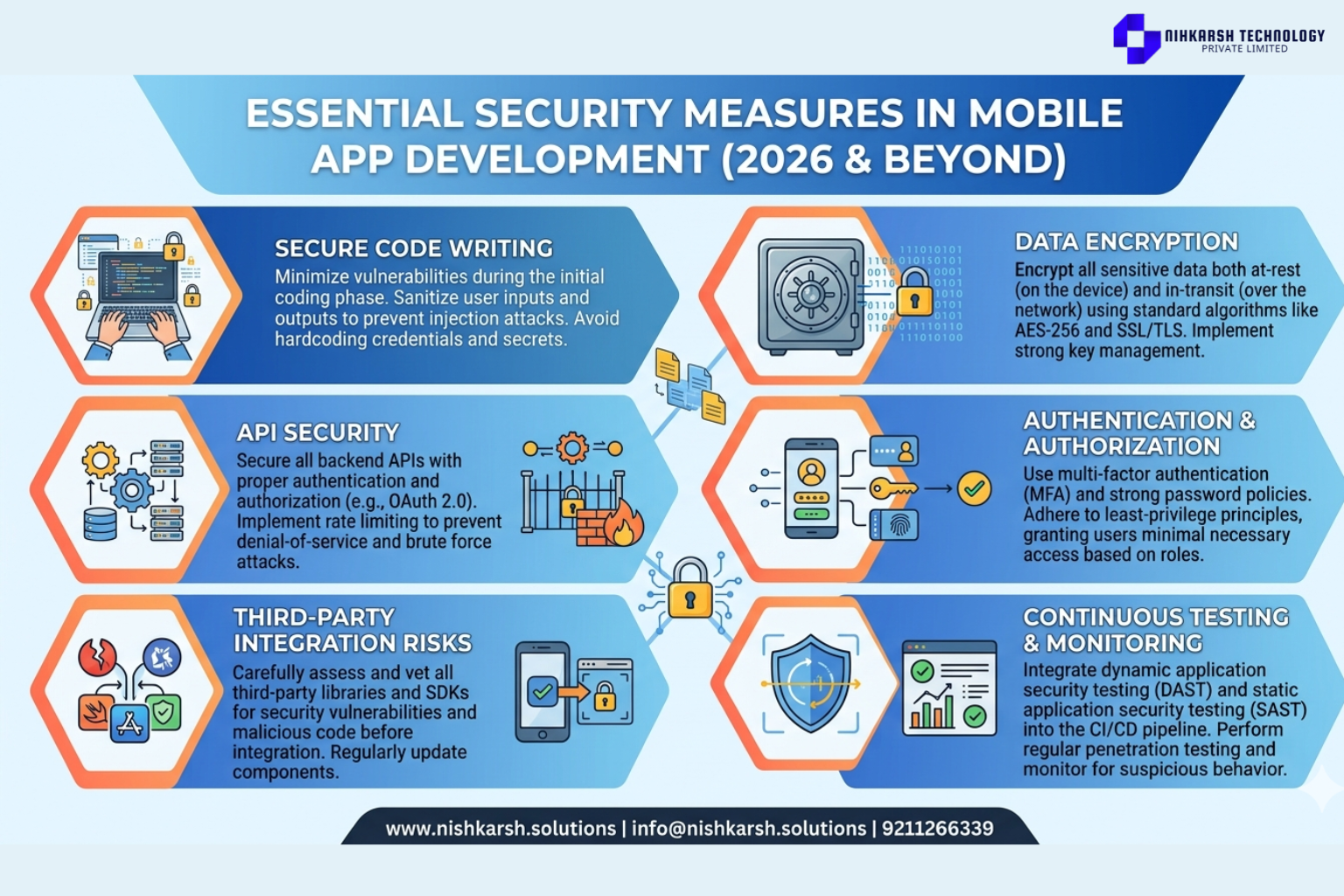
Essential Security Measures in Mobile App Development
In the rapidly evolving landscape of mobile app development, security remains a paramount concern. With the proliferation of mobile devices and the increasing reliance on mobile applications for both personal and business use, ensuring the security of these apps has become crucial. This guide delves into the essential security measures that developers should consider in 2026 and beyond to safeguard their applications from potential threats.
Introduction to Mobile App Security
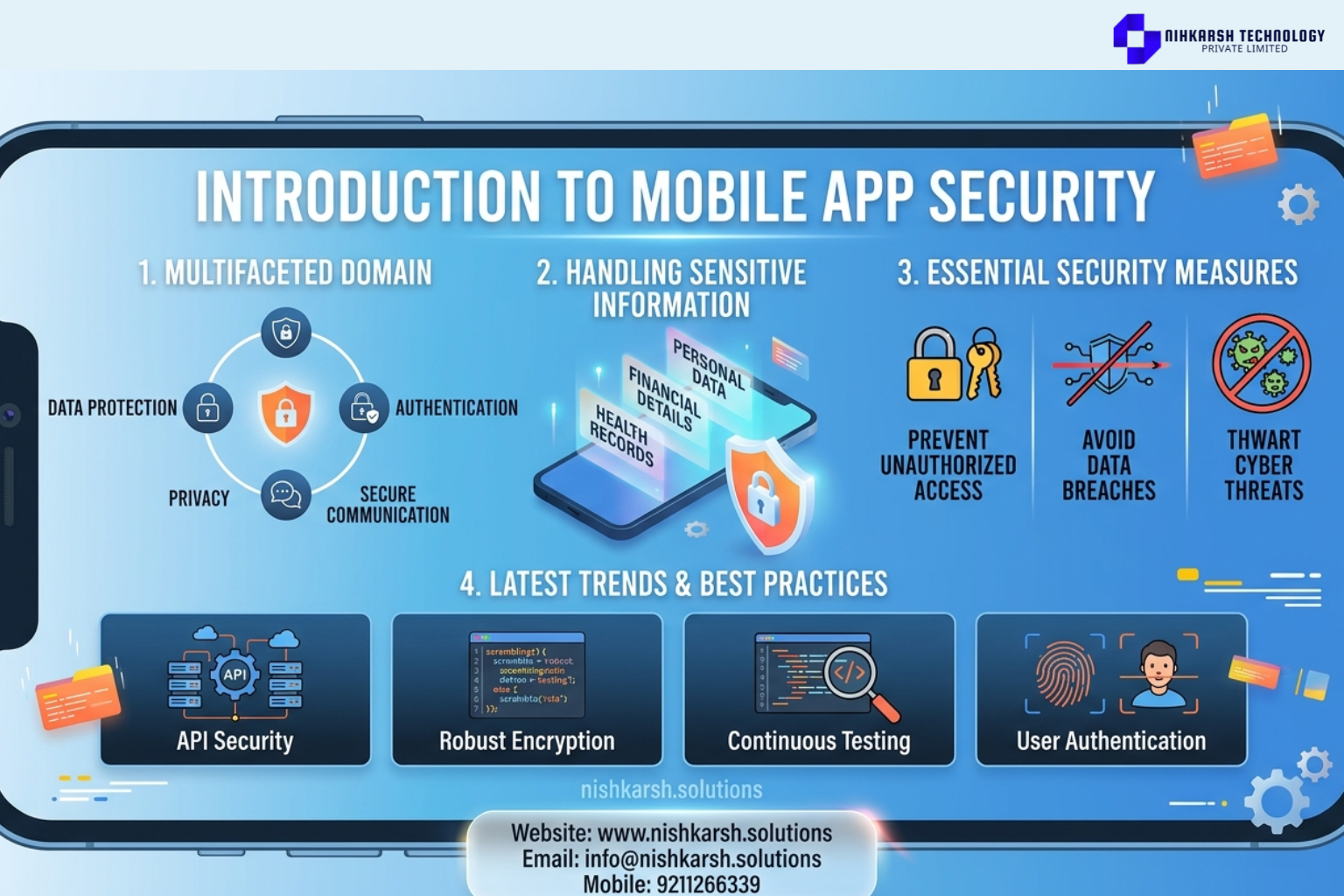
Mobile app security is a multifaceted domain that encompasses various aspects, including data protection, authentication, and privacy. As mobile apps handle sensitive information such as personal data, financial details, and health records, it is essential to implement robust security measures to prevent unauthorized access, data breaches, and other cyber threats. This article will explore the latest trends and best practices in mobile app security, providing developers with the knowledge and tools needed to create secure applications.
Understanding Common Mobile App Threats
Before diving into security measures, it's crucial to understand the common threats that mobile apps face. Some of the most prevalent threats include:
- Malware: Malicious software designed to harm or gain unauthorized access to a device.
- Phishing: Fraudulent attempts to obtain sensitive information such as usernames, passwords, and credit card details.
- Data Breaches: Unauthorized access to sensitive data, often leading to identity theft and financial loss.
- Man-in-the-Middle (MitM) Attacks: Interception of communication between two parties to steal data.
- Zero-Day Exploits: Vulnerabilities in software that are unknown to the developer and have no available patch.
Recognizing these threats is the first step in protecting your app. By understanding the potential risks, you can better prepare to mitigate them.
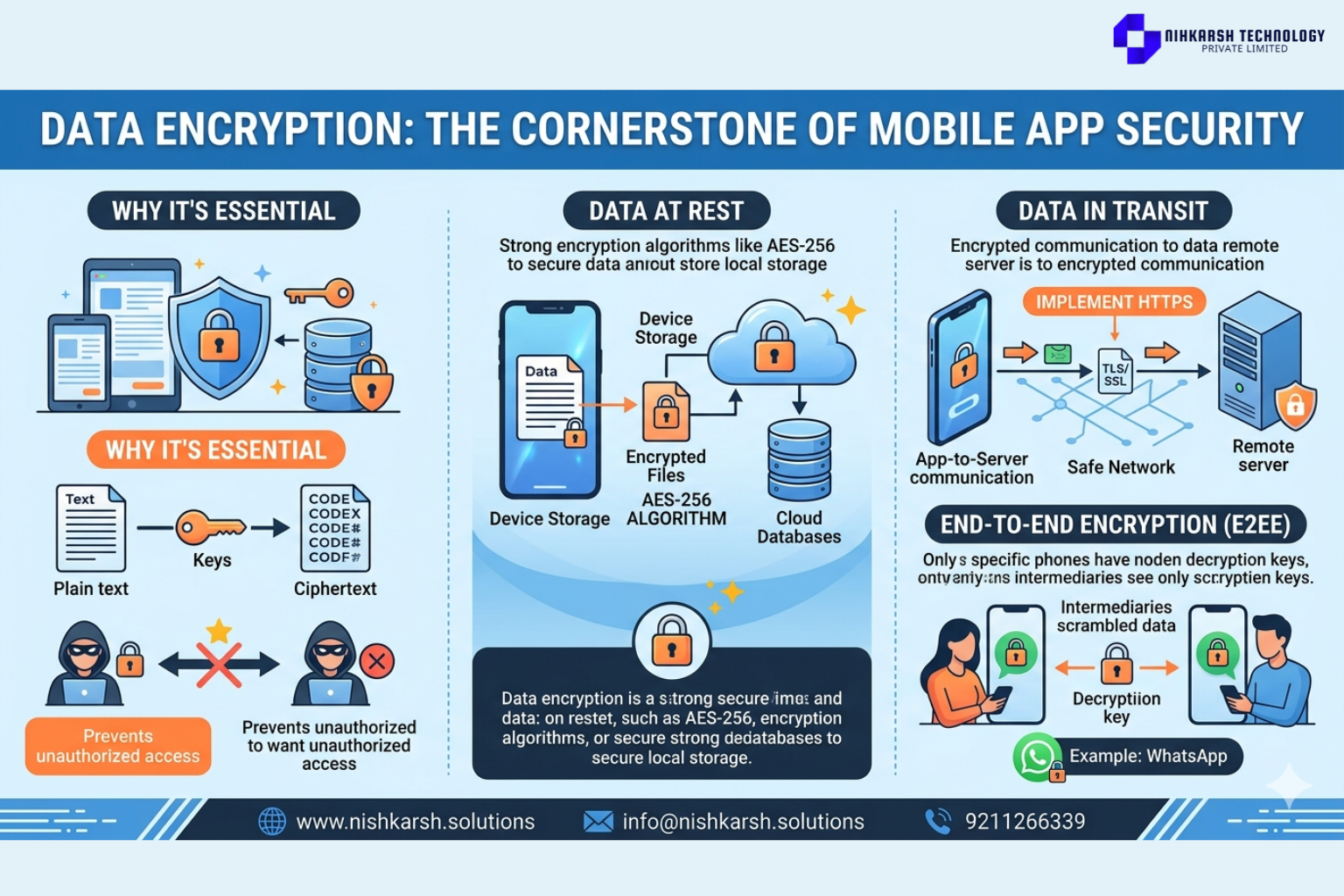
Data Encryption: The Cornerstone of Mobile App Security
Data encryption is a fundamental security measure that involves converting data into a code to prevent unauthorized access. In mobile app development, encryption is essential for protecting sensitive information both at rest and in transit.
For data at rest, use strong encryption algorithms such as AES-256 to secure stored data. For data in transit, implement HTTPS to encrypt communication between the app and the server. Additionally, consider using end-to-end encryption for messaging apps to ensure that only the communicating parties can read the messages.
For example, WhatsApp uses end-to-end encryption to protect user communications, giving users peace of mind that their messages are secure.
Secure Authentication and Authorization
Authentication and authorization are critical components of mobile app security. Authentication ensures that users are who they claim to be, while authorization determines what actions a user is permitted to perform.
Implement multi-factor authentication (MFA) to add an extra layer of security. MFA requires users to provide two or more forms of identification, such as a password and a fingerprint scan. This significantly reduces the risk of unauthorized access.
Additionally, use biometric authentication methods like fingerprint, facial recognition, or iris scans to enhance security. These methods are more convenient for users and provide a higher level of security compared to traditional passwords.
Secure Software Development Lifecycle (SDLC)
Integrating security into the Software Development Lifecycle (SDLC) is essential for creating secure mobile apps. A secure SDLC involves incorporating security measures at every stage of development, from planning and design to testing and deployment.
Some key practices in a secure SDLC include:
- Threat Modeling: Identifying potential threats and vulnerabilities early in the development process.
- Secure Coding Practices: Following best practices for secure coding to prevent common vulnerabilities.
- Regular Security Testing: Conducting regular security testing, including penetration testing and vulnerability assessments.
- Continuous Monitoring: Implementing continuous monitoring to detect and respond to security incidents in real-time.
By embedding security into the SDLC, developers can identify and address potential security issues proactively.
Secure Mobile App Stores
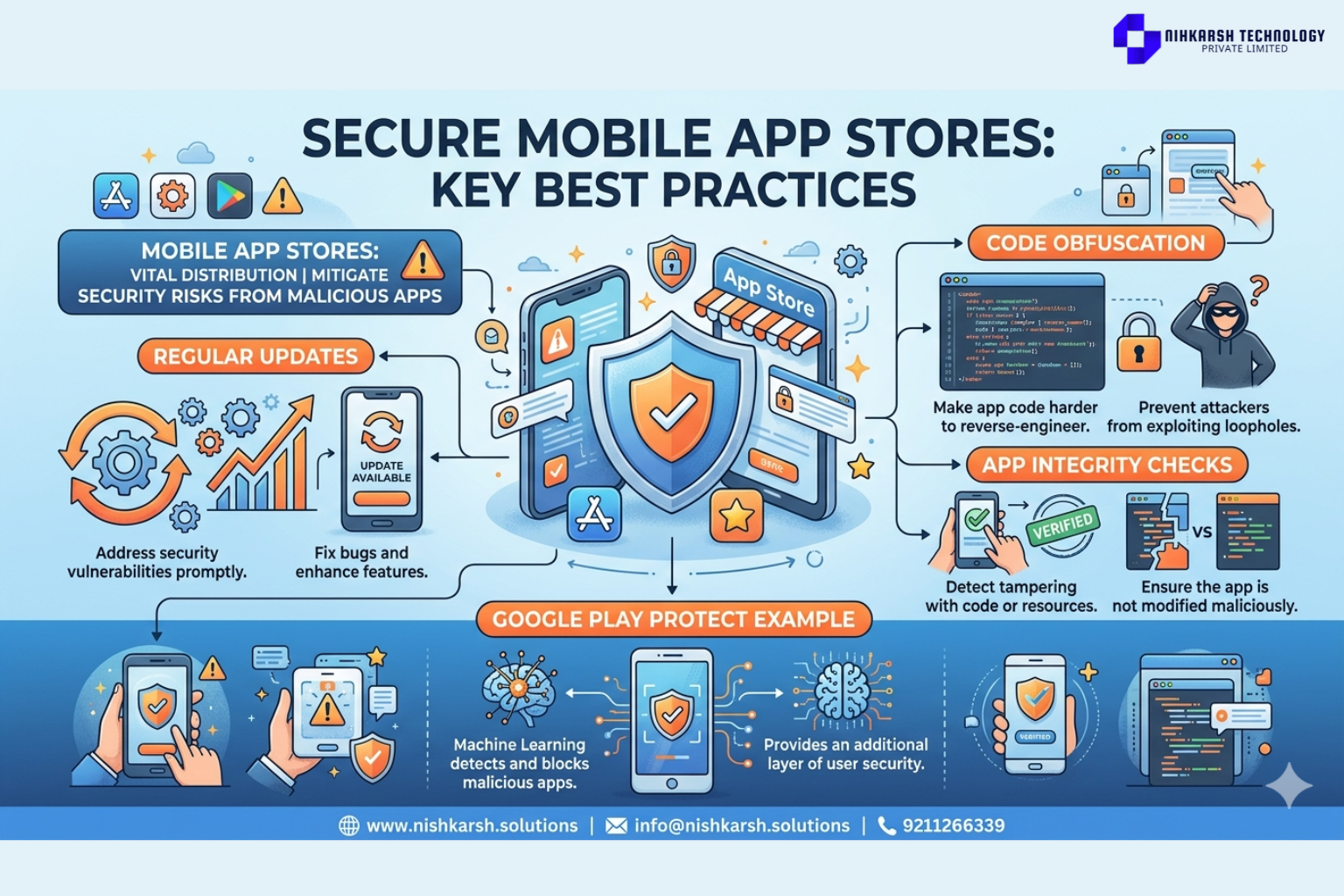
Mobile app stores play a crucial role in distributing apps to users. However, they also pose security risks, as malicious apps can be uploaded and distributed through these platforms. To mitigate these risks, follow these best practices:
- Regular Updates: Ensure that your app is regularly updated to address any security vulnerabilities.
- Code Obfuscation: Obfuscate your app's code to make it more difficult for attackers to reverse-engineer and exploit vulnerabilities.
- App Integrity Checks: Implement app integrity checks to detect and prevent tampering with the app's code or resources.
For example, Google Play Protect uses machine learning to detect and block malicious apps, providing an additional layer of security for users.
Privacy by Design
Privacy by Design is an approach that integrates privacy considerations into the design and development of mobile apps. This approach ensures that privacy is not an afterthought but is built into the app from the outset.
Some key practices in Privacy by Design include:
- Data Minimization: Collecting only the data necessary for the app's functionality.
- Transparency: Being transparent about data collection, usage, and sharing practices.
- User Control: Providing users with control over their data, including the ability to access, correct, or delete their data.
For instance, Apple's App Tracking Transparency framework allows users to control their data and provides transparency about data collection practices.
Regular Security Audits and Penetration Testing
Regular security audits and penetration testing are essential for identifying and addressing vulnerabilities in mobile apps. These tests simulate real-world attacks to identify weaknesses and provide actionable insights for improvement.
Some key practices in regular security audits and penetration testing include:
- Third-Party Testing: Engaging third-party security firms to conduct independent assessments.
- Automated Tools: Using automated security testing tools to identify common vulnerabilities.
- Red Teaming: Conducting red team exercises to simulate advanced persistent threats.
For example, Bugcrowd, a popular bug bounty platform, offers penetration testing services to help developers identify and fix security vulnerabilities.
Compliance with Regulatory Requirements
Mobile app developers must comply with various regulatory requirements to ensure the security and privacy of user data. Some key regulations to consider include:
- GDPR (General Data Protection Regulation): A European Union regulation that protects the personal data and privacy of EU citizens.
- CCPA (California Consumer Privacy Act): A California law that gives consumers more control over their personal information.
- HIPAA (Health Insurance Portability and Accountability Act): A U.S. federal law that protects the privacy of individually identifiable health information.
Complying with these regulations not only helps protect user data but also builds trust with users and regulatory bodies.
Emerging Trends in Mobile App Security
Mobile app security is an ever-evolving field, with new trends and technologies emerging regularly. Some of the latest trends to watch in 2026 and beyond include:
- Zero-Trust Architecture: A security model that assumes breach and verifies each request as though it originates from an open network.
- AI and Machine Learning for Security: Using AI and machine learning to detect and respond to security threats in real-time.
- Blockchain for Secure Data Sharing: Leveraging blockchain technology to create secure and transparent data sharing networks.
- Federated Learning: A decentralized approach to machine learning that enables models to be trained across multiple decentralized devices while keeping the training data localized.
Staying informed about these trends will help developers stay ahead of the curve and implement cutting-edge security measures in their apps.
Conclusion
In conclusion, creating secure mobile apps requires a comprehensive approach that addresses various security measures and best practices. By understanding common threats, implementing robust encryption, ensuring secure authentication, following a secure SDLC, complying with regulatory requirements, and staying informed about emerging trends, developers can create secure and trustworthy mobile applications.
As the mobile app landscape continues to evolve, so too will the need for robust security measures. By staying proactive and adaptive, developers can safeguard their apps and provide a secure experience for users.