
Master Common App Development Mistakes and Learn How to Avoid Them

Common App Development Mistakes and How to Avoid Them
In the rapidly evolving world of app development, making mistakes can set you back significantly. Whether you're a seasoned developer or just starting out, understanding common pitfalls can save you time and resources. This guide will walk you through the most frequent app development mistakes and provide actionable steps to avoid them.
Understanding the Basics
Before diving into specific mistakes, let's recap the fundamentals. App development involves creating software applications for mobile devices, desktops, or the web. It encompasses planning, designing, building, testing, and deploying the app. With the rise of technologies like AI, machine learning, and augmented reality, the scope of app development has expanded exponentially.
In 2026, the app development landscape is dominated by cross-platform frameworks like Flutter and React Native, which allow developers to build apps for multiple platforms using a single codebase. This trend is expected to continue, making cross-platform development a must-know skill.
Ignoring User Experience (UX) and User Interface (UI)
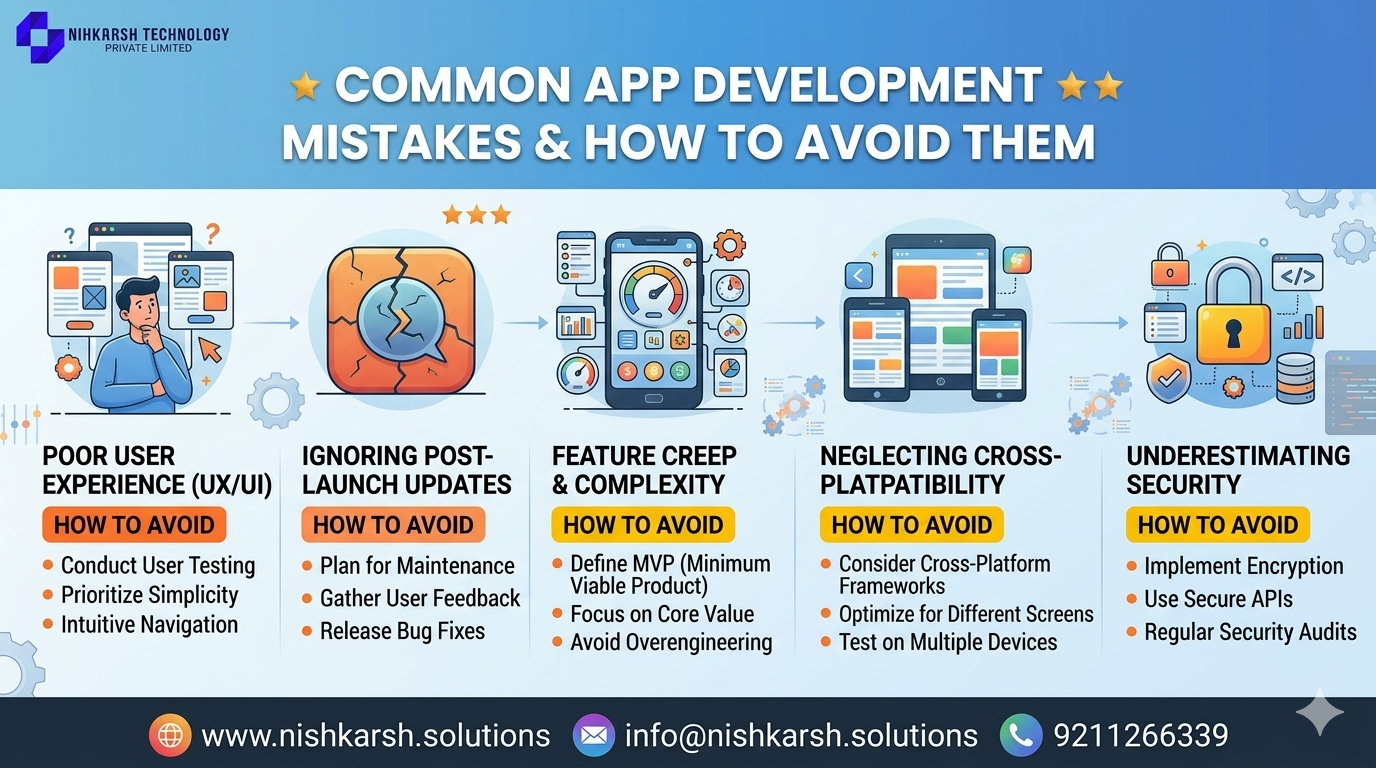
One of the most common mistakes is overlooking user experience (UX) and user interface (UI) design. A well-designed app not only looks aesthetically pleasing but also enhances user engagement and satisfaction. In 2026, with the proliferation of AI-driven personalization, apps that adapt to user behavior are more likely to succeed.
How to Avoid: Conduct thorough user research, create wireframes and prototypes, and iterate based on user feedback. Tools like Figma and Adobe XD are industry standards for designing intuitive and visually appealing interfaces.
Neglecting Security
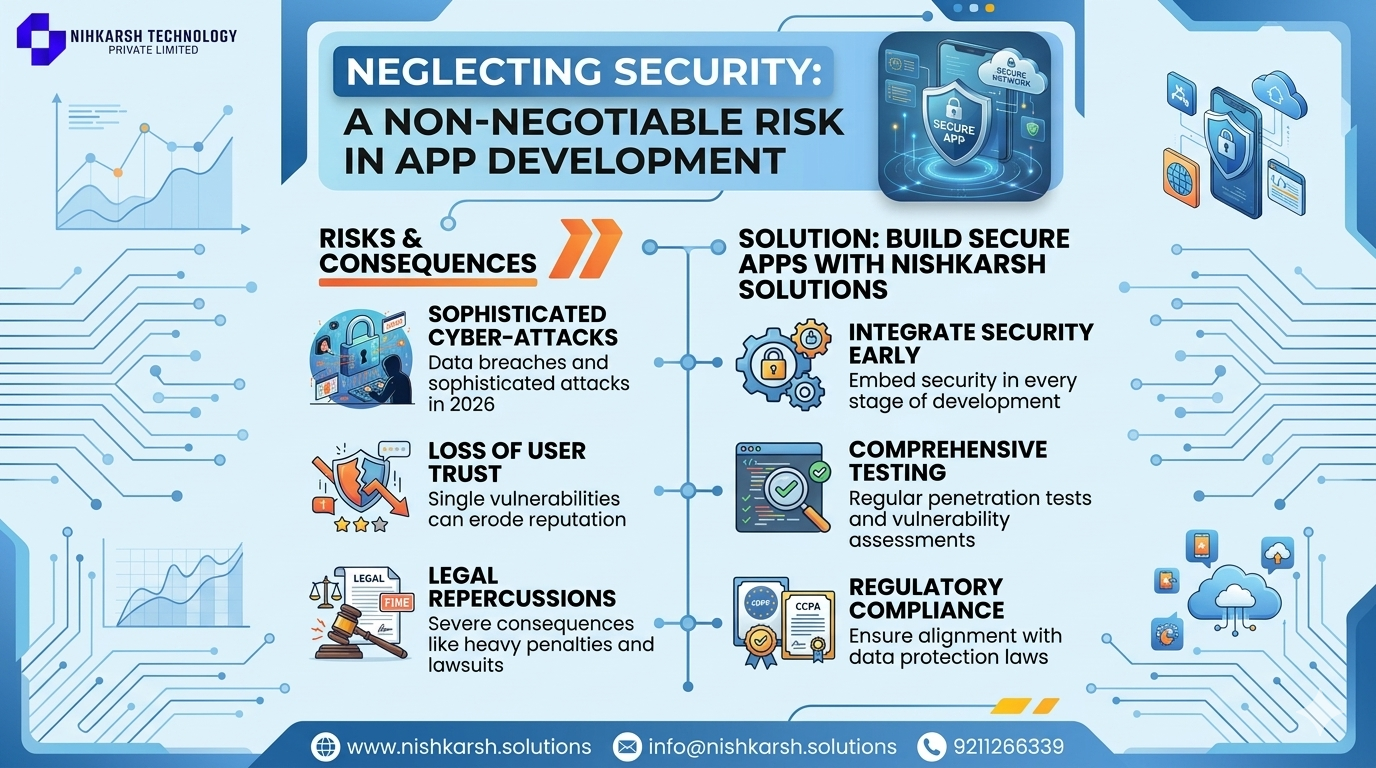
Security is a non-negotiable aspect of app development. In 2026, data breaches and cyber-attacks are more frequent and sophisticated. A single vulnerability can lead to severe consequences, including loss of user trust and legal repercussions.
How to Avoid: Implement robust security measures from the outset. Use encryption for data transmission and storage, conduct regular security audits, and stay updated with the latest security protocols. Frameworks like OAuth 2.0 and JWT (JSON Web Tokens) are essential for secure authentication and authorization.
Overlooking Performance Optimization
Performance is crucial, especially for apps that rely on real-time data or interactive features. Slow apps frustrate users and can lead to high bounce rates. In 2026, with the rise of 5G networks, the performance expectations are higher than ever.
How to Avoid: Optimize code for efficiency, use lazy loading for images and data, and leverage caching mechanisms. Tools like Google's Lighthouse can help identify performance bottlenecks and provide actionable insights.
Failing to Plan for Scalability
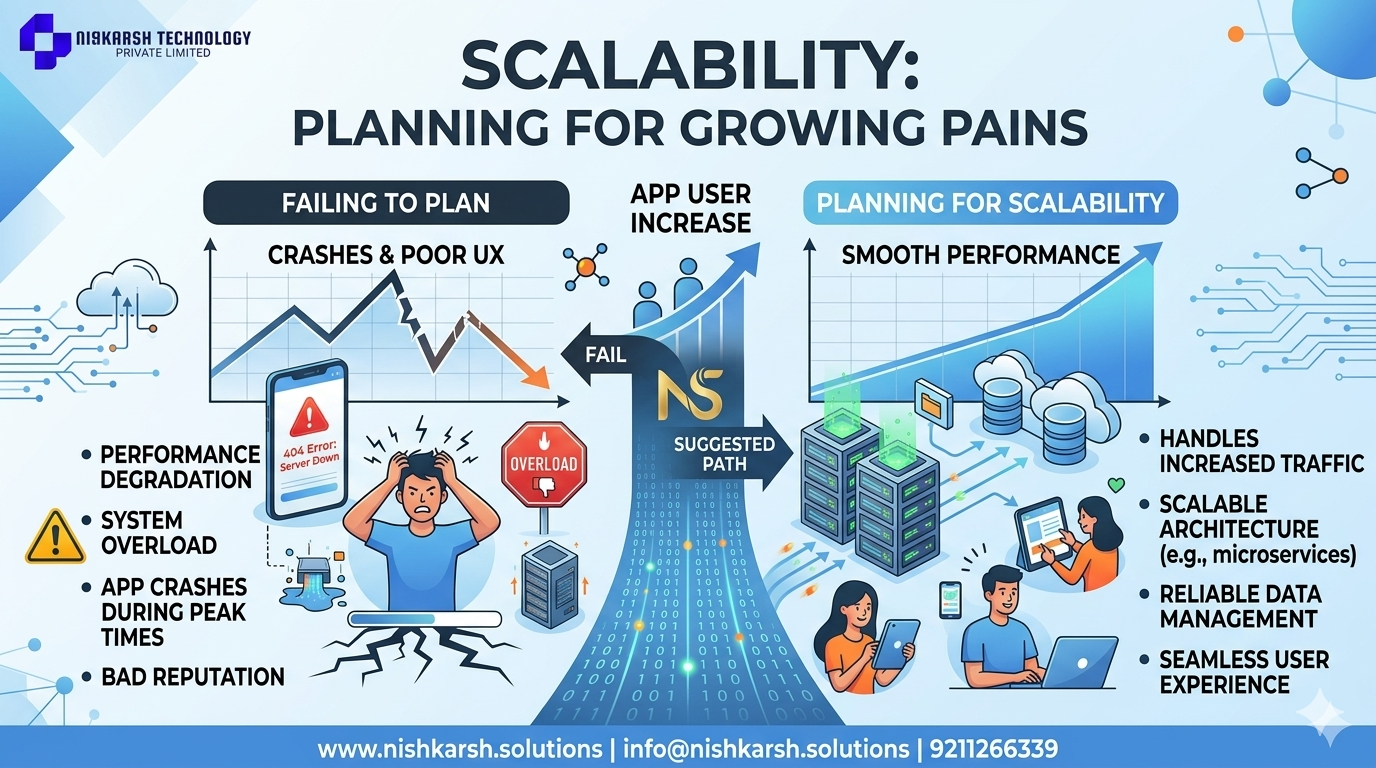
As your app gains users, you need to ensure it can handle increased traffic and data without degrading performance. Scalability planning is often overlooked, leading to app crashes and poor user experience during peak times.
How to Avoid: Design your architecture with scalability in mind. Use cloud services like AWS, Azure, or Google Cloud, which offer auto-scaling features. Implement microservices architecture to distribute the workload efficiently.
Ignoring Compliance and Legal Issues
Apps must comply with various regulations, especially when handling user data. Non-compliance can result in hefty fines and legal actions. In 2026, the General Data Protection Regulation (GDPR) has been replaced by the Global Data Protection Regulation (GDPR+), which has stricter guidelines.
How to Avoid: Stay informed about the latest regulations and ensure your app complies with them. Implement transparent data handling practices, provide users with control over their data, and be ready to respond to data breach notifications promptly.
Underestimating the Importance of Continuous Integration and Continuous Deployment (CI/CD)
CI/CD is a practice that automates the integration and deployment of code changes. It ensures that new features and bug fixes are delivered quickly and reliably. In 2026, CI/CD has become a standard practice, with tools like Jenkins, GitHub Actions, and CircleCI leading the way.
How to Avoid: Integrate CI/CD pipelines early in the development process. Automate testing, build, and deployment processes to reduce manual intervention and catch issues early. This practice not only speeds up the development cycle but also improves code quality.
Overlooking Accessibility
Accessibility ensures that your app can be used by people with disabilities. In 2026, with the increasing awareness of accessibility, non-compliant apps face legal challenges and loss of market share. The Web Content Accessibility Guidelines (WCAG) 2.2 are the industry standards for web accessibility.
How to Avoid: Follow WCAG guidelines during the design and development phases. Use tools like Lighthouse and Axe for accessibility audits. Regularly test your app with assistive technologies to ensure it meets accessibility standards.
Ignoring the Importance of Regular Updates and Maintenance
Apps need regular updates to fix bugs, add new features, and ensure compatibility with the latest operating systems and devices. Neglecting updates can lead to a poor user experience and potential security vulnerabilities.
How to Avoid: Establish a regular update schedule and maintain a backlog of features and fixes. Use tools like Firebase Crashlytics and Sentry to monitor app performance and identify issues promptly. Communicate updates effectively to keep users informed.
Failing to Leverage Modern Development Tools and Frameworks
The app development landscape is constantly evolving, with new tools and frameworks emerging regularly. Staying updated with the latest trends and technologies can give you a competitive edge. In 2026, AI and machine learning are integrated into many development tools, enhancing productivity and innovation.
How to Avoid: Continuously educate yourself and your team about new tools and frameworks. Participate in developer communities, attend conferences, and follow industry blogs. Experiment with new technologies in side projects to stay ahead of the curve.
Conclusion
Avoiding common app development mistakes requires a proactive approach and a deep understanding of the industry. By focusing on UX/UI, security, performance, scalability, compliance, CI/CD, accessibility, regular updates, and leveraging modern tools, you can build robust and successful apps. Remember, the app development journey is ongoing, and continuous learning and adaptation are key to staying ahead in this ever-evolving field.
Stay tuned for more insights into the latest trends and best practices in app development. Happy coding!