
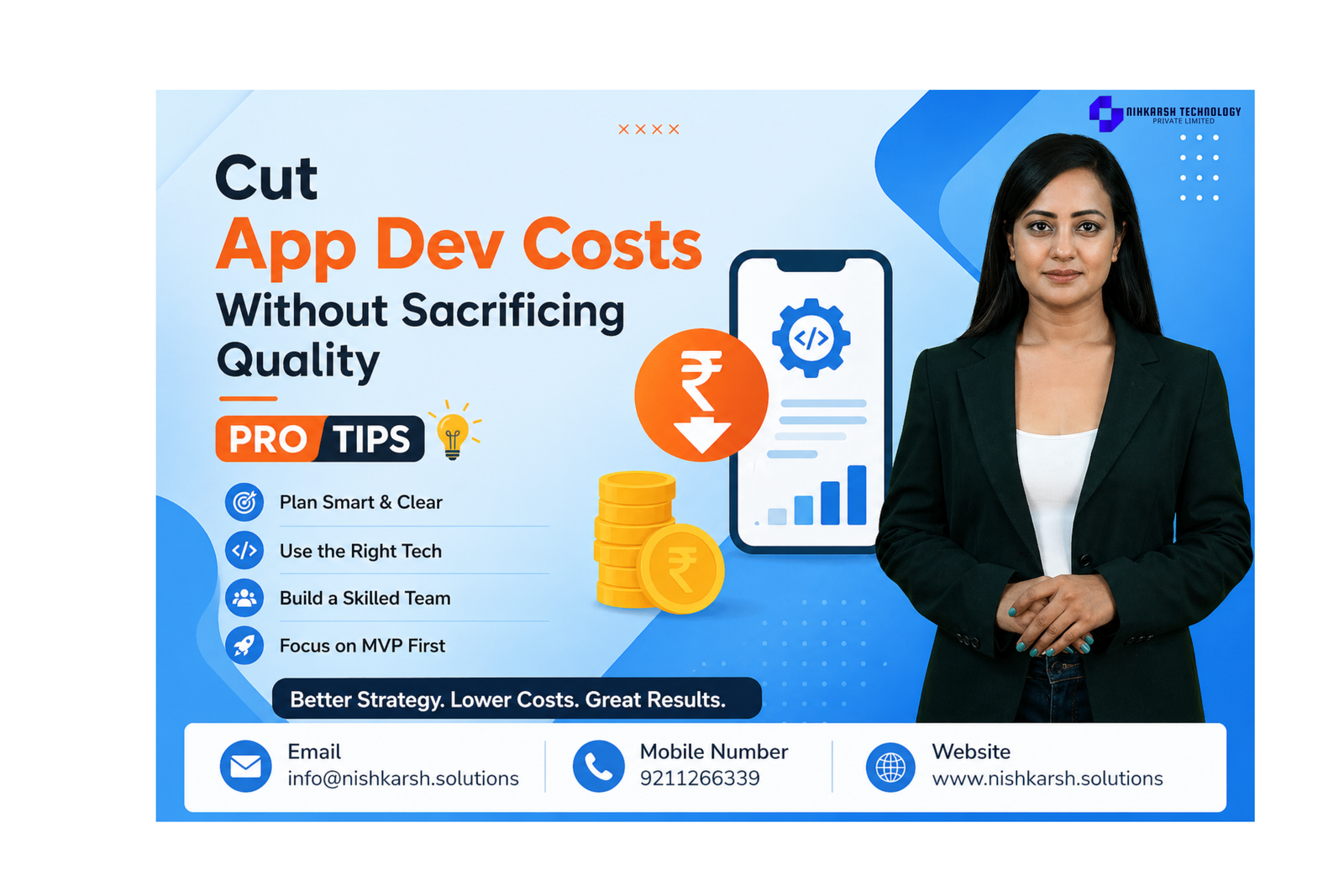
Cut App Dev Costs Without Sacrificing Quality - Pro Tips
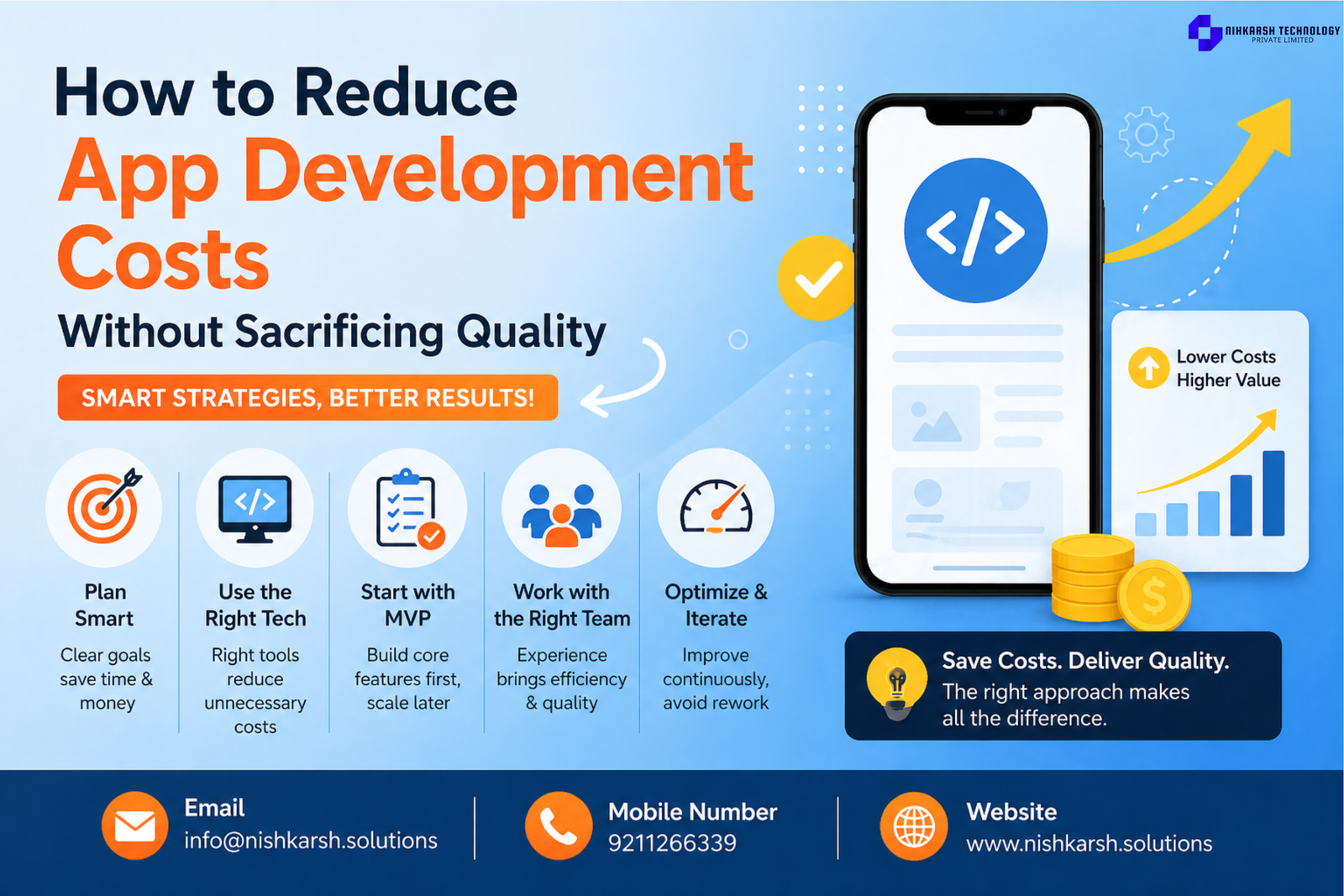
How to Reduce App Development Costs Without Sacrificing Quality
In 2026, businesses are under increasing pressure to deliver high-quality mobile applications without breaking the bank. The demand for digital solutions has never been higher, but budget constraints remain a major challenge. The good news? You can significantly reduce app development costs while maintaining excellent quality. This guide explores proven strategies to achieve this balance, backed by the latest trends and best practices.
Understanding the Cost Drivers in App Development
Before diving into cost-saving strategies, it's essential to understand what drives up development expenses. Key factors include:
- Team Composition: Hiring senior developers, UX/UI specialists, and QA testers can be expensive. Offshoring to lower-cost regions may seem appealing, but it can impact quality and communication.
- Technology Stack: Custom development often costs more than using no-code or low-code platforms. However, these may come with trade-offs in functionality and scalability.
- Project Scope: Feature creep and unnecessary bells and whistles can bloat budgets. Prioritizing core features and phasing development can help control costs.
- Testing and Maintenance: Thorough testing and ongoing maintenance are non-negotiable for quality, but they require resources and time.
By identifying these cost drivers, you can focus your cost-saving efforts where they'll have the most impact.
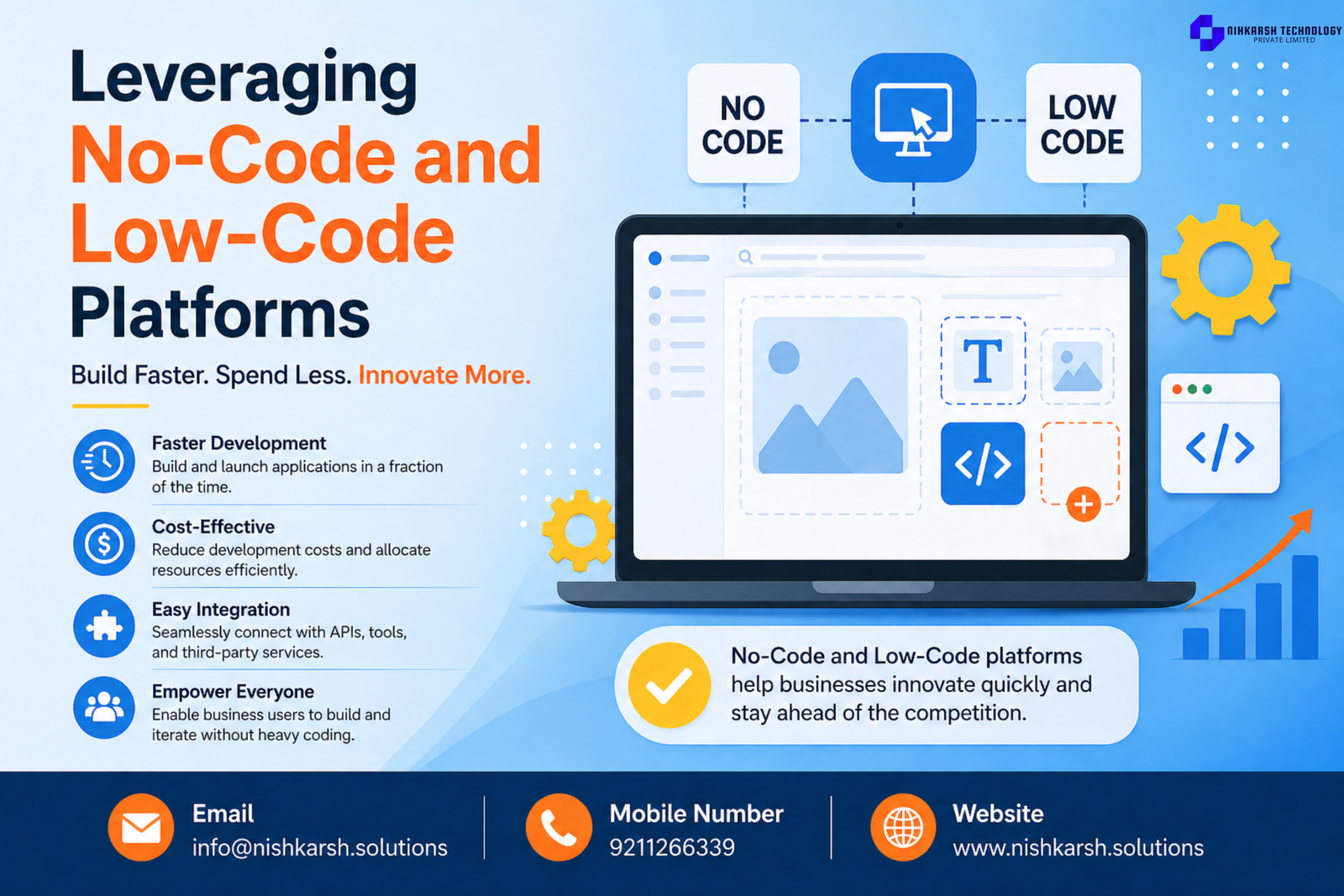
Leveraging No-Code and Low-Code Platforms
One of the most effective ways to cut development costs is by adopting no-code or low-code platforms. These tools allow businesses to build functional apps with minimal coding, reducing the need for a large development team. In 2026, platforms like Bubble, Mendix, and OutSystems are leading the charge, offering:
- Faster Development: No-code tools can accelerate the development process by up to 70%, reducing time-to-market.
- Cost Efficiency: You can build a basic MVP (Minimum Viable Product) for a fraction of the cost of traditional development.
- Scalability: Many no-code platforms offer built-in scalability features, allowing your app to grow with your business.
For example, a small business in 2026 might use Bubble to create an e-commerce app with drag-and-drop functionality, integrating with Stripe for payments. While this approach may limit advanced customization, it's a cost-effective way to validate your idea before investing in a full-scale custom app.
Optimizing Your Development Process
Beyond choosing the right tools, optimizing your development process can yield significant savings. Here are some key strategies:
- Agile Methodologies: Agile development allows for iterative progress, ensuring you only pay for what you need at each stage. This approach minimizes waste and keeps costs in check.
- MVP Development: Start with a Minimum Viable Product (MVP) to test the market and gather feedback before investing in additional features.
- Reusable Components: Develop reusable UI components, libraries, and design templates to streamline future projects.
- Automated Testing: Implement automated testing tools like Selenium or Cypress to reduce the need for manual QA, cutting testing costs by up to 50%.
For instance, a startup in 2026 might use Agile sprints to build an MVP in three months, then expand features based on user feedback. This phased approach ensures they don't overspend on unnecessary features upfront.
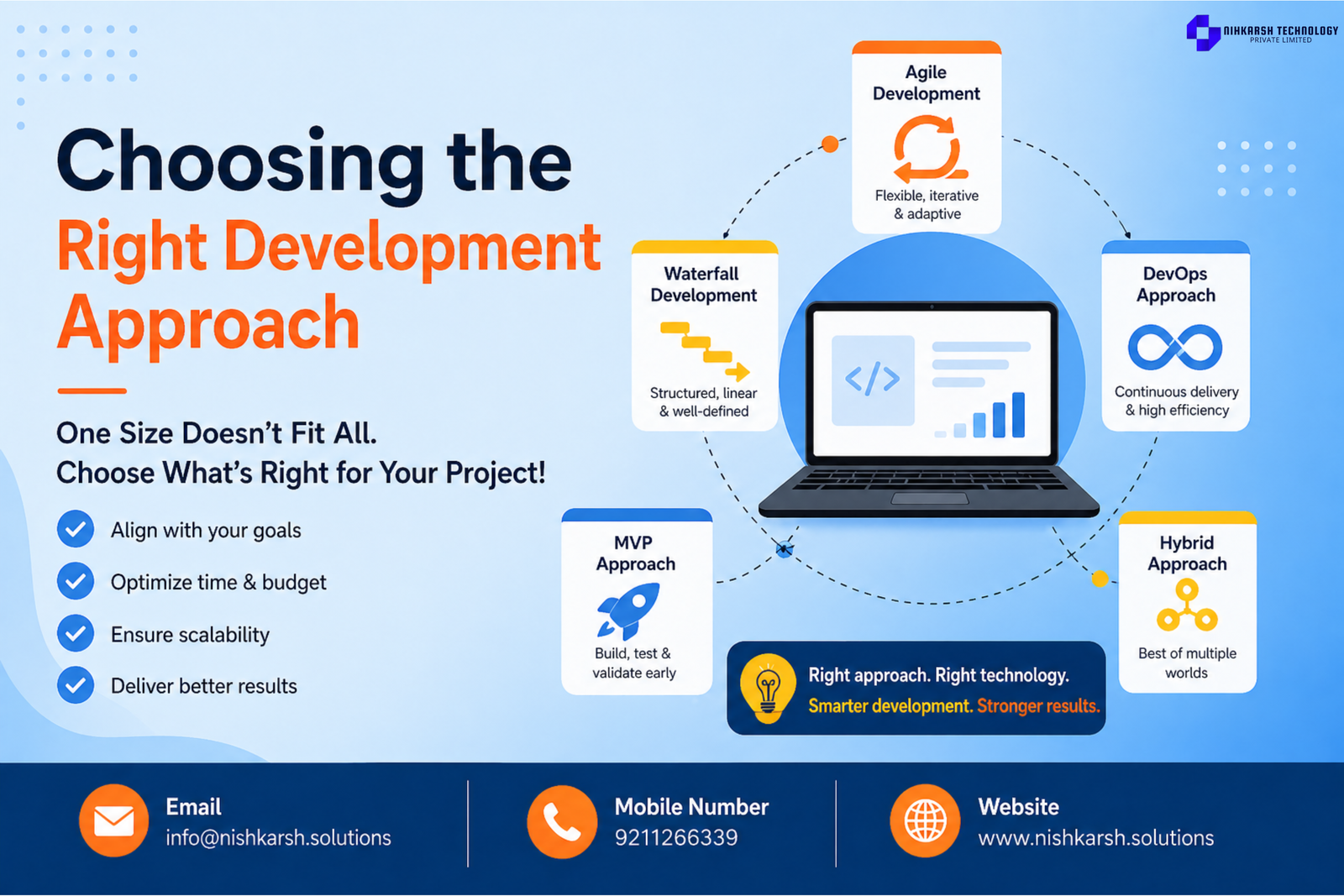
Choosing the Right Development Approach
The choice between custom development, hybrid apps, and progressive web apps (PWAs) can significantly impact costs. Here's a breakdown of each:
- Custom Development: Offers the highest level of customization but comes with the highest costs. Best suited for complex, enterprise-level apps.
- Hybrid Apps: Built using frameworks like React Native or Flutter, hybrid apps offer cross-platform compatibility at a lower cost than native development. They're ideal for businesses targeting multiple platforms.
- Progressive Web Apps (PWAs):strong> PWAs provide a native-like experience at a fraction of the cost of native apps. They work on any device with a web browser and can be updated instantly without app store approvals.
A mid-sized company in 2026 might opt for a hybrid app built with Flutter to reach both iOS and Android users, reducing development costs compared to building separate native apps.
Outsourcing Strategically
Outsourcing can be a cost-effective way to access specialized skills without hiring full-time employees. However, it's crucial to approach it strategically:
- Partner with Reliable Vendors: Choose development agencies with a proven track record and positive client reviews. Platforms like Clutch and GoodFirms can help you find reputable vendors.
- Clear Contracts and Milestones: Define project milestones and payment terms upfront to avoid scope creep and ensure transparency.
- Communication Tools: Use tools like Slack, Jira, or Trello to maintain clear communication and track progress.
For example, a startup in 2026 might outsource backend development to a vendor in Eastern Europe, reducing labor costs while maintaining high-quality work.
Prioritizing User Experience (UX) for Cost Efficiency
Investing in UX design upfront can save money in the long run. A well-designed app reduces the need for frequent updates and minimizes user frustration, leading to higher retention and lower support costs. Consider these UX cost-saving strategies:
- User Research: Conduct thorough user research to ensure the app meets real needs, reducing the risk of costly redesigns later.
- Wireframing and Prototyping: Use tools like Figma or Adobe XD to create interactive prototypes, allowing stakeholders to provide feedback early in the process.
- Consistent Design Language: Establish a consistent design language to streamline development and reduce the need for multiple revisions.
A company in 2026 might use Figma to create a clickable prototype of their app, gathering feedback from users before development begins. This approach ensures they build the right features from the start, avoiding costly rework.
Embracing Open Source and Community Resources
Open-source tools and community resources can significantly reduce development costs. Many open-source frameworks and libraries are as robust as proprietary solutions but come at no cost. In 2026, popular open-source options include:
- React Native: A powerful framework for building cross-platform apps with a large community of developers contributing to its growth.
- Flutter: Google's open-source UI toolkit for building natively compiled applications for mobile, web, and desktop from a single codebase.
- TensorFlow: An open-source machine learning framework that can be used to build intelligent features without high licensing costs.
A startup in 2026 might use React Native to build a cross-platform app, leveraging open-source libraries to reduce development time and costs.
Monitoring and Optimizing Post-Launch
Even after launch, you can optimize costs by monitoring performance and making data-driven decisions. Key strategies include:
- Performance Monitoring: Use tools like New Relic or Datadog to monitor app performance and identify areas for optimization.
- User Feedback: Collect user feedback to identify pain points and areas for improvement, guiding future updates.
- Cost Analysis: Regularly review your development and operational costs to identify areas for savings.
For example, a company in 2026 might use New Relic to monitor their app's performance, discovering that a particular feature is causing high server costs. By optimizing this feature, they can reduce operational expenses without sacrificing quality.
Future-Proofing Your App for Long-Term Cost Savings
Investing in future-proofing your app can lead to long-term cost savings. Consider these strategies:
- Modular Architecture: Design your app with a modular architecture to allow for easier updates and scalability.
- Cloud Integration: Use cloud services like AWS or Azure to scale resources as needed, reducing the need for expensive infrastructure.
- AI and Automation: Implement AI-driven features to automate repetitive tasks, reducing the need for manual intervention.
A company in 2026 might adopt a microservices architecture for their app, allowing them to update and scale individual components without disrupting the entire system.
Conclusion: Balancing Cost and Quality in 2026
Reducing app development costs without sacrificing quality is achievable through a combination of strategic planning, the right tools, and a focus on efficiency. By leveraging no-code platforms, optimizing your development process, choosing the right development approach, outsourcing strategically, prioritizing UX, embracing open source, monitoring performance, and future-proofing your app, you can build a high-quality mobile application that meets your budget.
Remember, the key is to balance cost-saving measures with quality. Cutting corners may save money upfront but can lead to higher costs and poor user experiences in the long run. By following these best practices, you can achieve your app development goals without overspending.
As we move into 2026 and beyond, the landscape of app development continues to evolve. Staying informed about the latest trends and tools will help you make the most of your budget while delivering exceptional user experiences.