
Boost Your App Speed: Proven Tips to Improve Performance

How to Improve App Performance and Speed in 2026 and Beyond
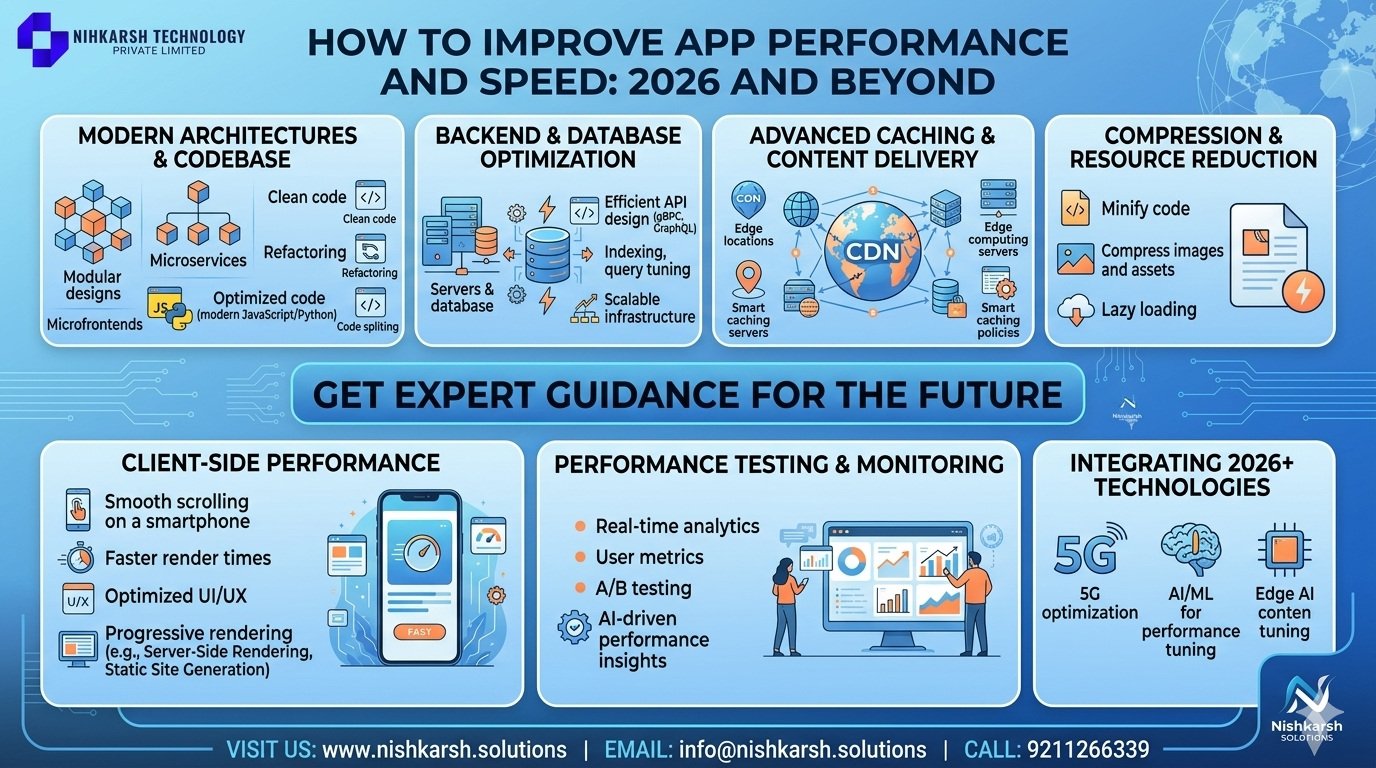
In the rapidly evolving digital landscape of 2026, app performance and speed have become non-negotiable factors. Users expect seamless interactions, and businesses need robust applications to stay competitive. This guide will walk you through comprehensive strategies to enhance your app's performance and speed, ensuring a superior user experience.
Introduction to App Performance and Speed
App performance refers to how efficiently an application runs, while speed is about how quickly it responds to user inputs. In today's world, where mobile and web apps are ubiquitous, performance and speed are critical for user satisfaction and business success. This post will delve into the latest trends and best practices to optimize your app's performance and speed.
Understanding the Impact of Performance and Speed
Slow or lagging apps can lead to user frustration, high bounce rates, and decreased engagement. According to a 2025 study by Google, users are more likely to abandon a website if it takes longer than 3 seconds to load. Similarly, mobile apps that load slowly can lose users within seconds. Therefore, optimizing performance and speed is not just about enhancing user experience but also about improving conversion rates and retention.
Let's dive into specific strategies to improve app performance and speed.
Optimizing Code and Architecture
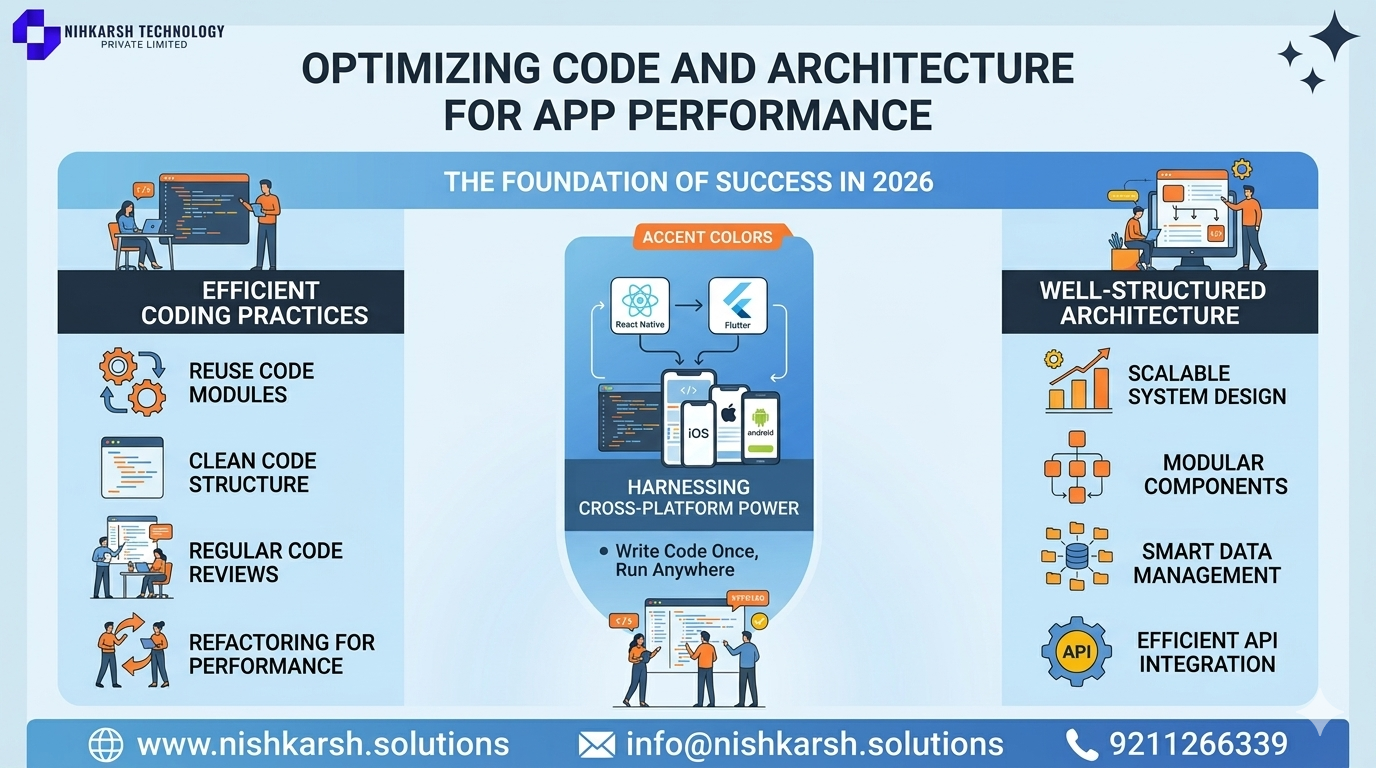
Efficient coding practices and a well-structured architecture are foundational to app performance. In 2026, frameworks like React Native and Flutter are popular for cross-platform development. Using these frameworks, you can write code once and run it on multiple platforms, saving development time and resources.
Here are some coding best practices:
- Minimize Code Bloat: Remove unnecessary code and dependencies.
- Use Asynchronous Programming: Ensure that your app can handle tasks asynchronously to prevent blocking the main thread.
- Optimize Data Structures: Choose the right data structures for your application to ensure efficient data retrieval and manipulation.
Leveraging Cloud Services
Cloud services have revolutionized app performance. Platforms like AWS, Google Cloud, and Azure offer scalable infrastructure and powerful tools to optimize app speed. For instance, using AWS Lambda, you can run code without provisioning or managing servers, which can significantly reduce latency.
Consider the following cloud-based optimizations:
- Content Delivery Networks (CDNs): Distribute your content across multiple geographic locations to reduce latency.
- Serverless Architecture: Use serverless functions to handle specific tasks, reducing the overhead of managing servers.
- Auto-Scaling: Automatically adjust resources based on traffic to ensure consistent performance.
Improving Image and Media Optimization
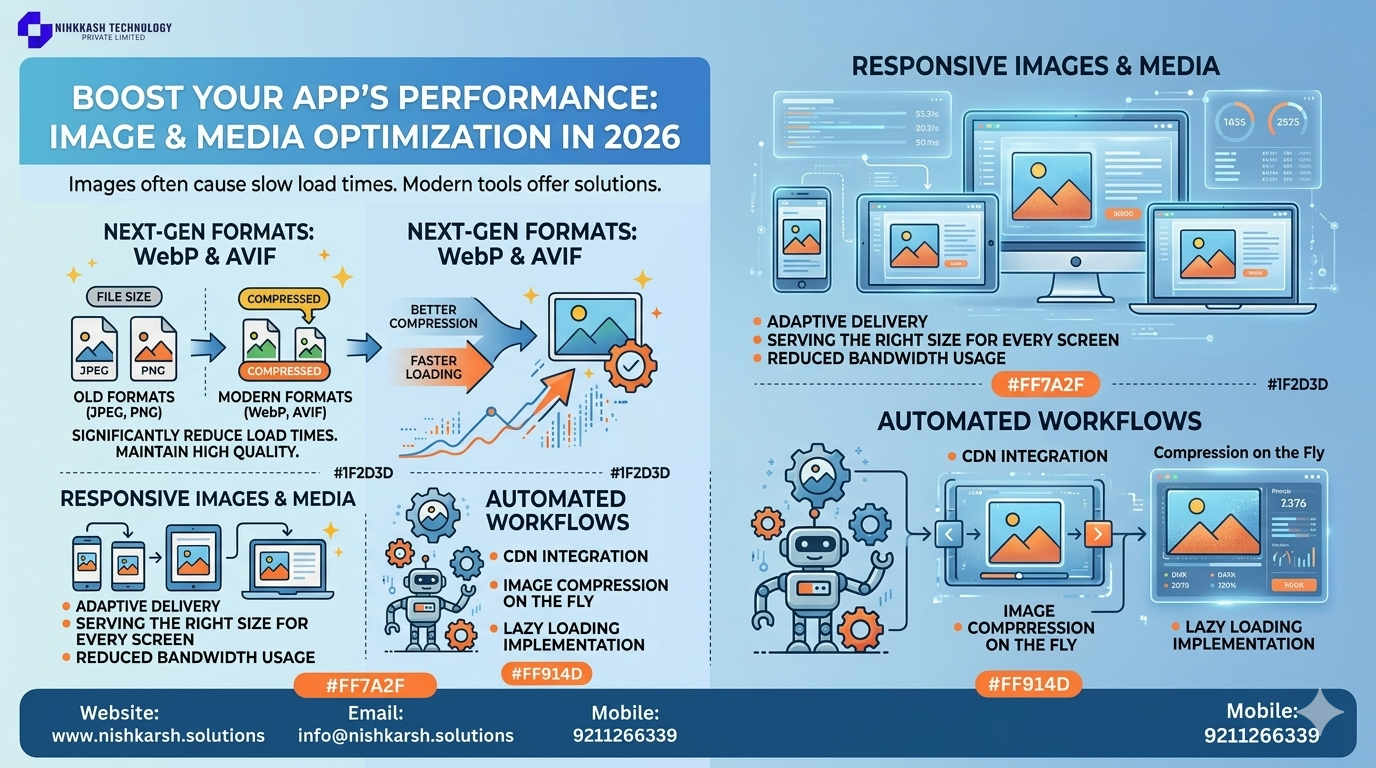
Images and media are often the heaviest elements in an app. In 2026, tools like WebP and AVIF formats offer better compression ratios compared to traditional formats like JPEG and PNG. Using these formats can significantly reduce load times without compromising quality.
Additional tips for optimizing images:
- Lazy Loading: Load images only when they are needed, rather than all at once.
- Responsive Images: Serve images in the appropriate size for the user's device.
- Image Sprites: Combine multiple images into a single image to reduce HTTP requests.
Enhancing Network Performance
Network performance is crucial for app speed. In 2026, technologies like 5G and edge computing are transforming how data is delivered. Utilizing these technologies can drastically reduce latency and improve app responsiveness.
Network optimization strategies include:
- HTTP/3: Adopt the latest HTTP protocol for faster and more reliable connections.
- WebSockets: Use WebSockets for real-time communication to reduce latency.
- Caching: Implement caching strategies to store frequently accessed data closer to the user.
Utilizing AI and Machine Learning
AI and machine learning are increasingly being used to optimize app performance. For example, predictive analytics can forecast traffic patterns, allowing you to pre-provision resources. Additionally, AI can analyze user behavior to identify and fix performance bottlenecks in real-time.
AI-driven optimizations can include:
- Predictive Scaling: Use AI to predict traffic spikes and adjust resources accordingly.
- Anomaly Detection: Identify and resolve performance issues before they impact users.
- Personalized Content Delivery: Use AI to deliver content tailored to individual users, reducing load times.
Monitoring and Continuous Improvement
Performance monitoring is an ongoing process. Tools like New Relic, Datadog, and Google Analytics provide real-time insights into app performance. Regularly monitoring key metrics such as load times, CPU usage, and memory consumption can help you identify and address issues promptly.
Continuous improvement involves:
- Setting Performance Budgets: Define acceptable performance thresholds and monitor against them.
- User Feedback: Collect and analyze user feedback to understand performance issues from their perspective. Regular Audits: Conduct regular performance audits to identify and fix underlying issues.
Case Study: Optimizing a Popular E-commerce App
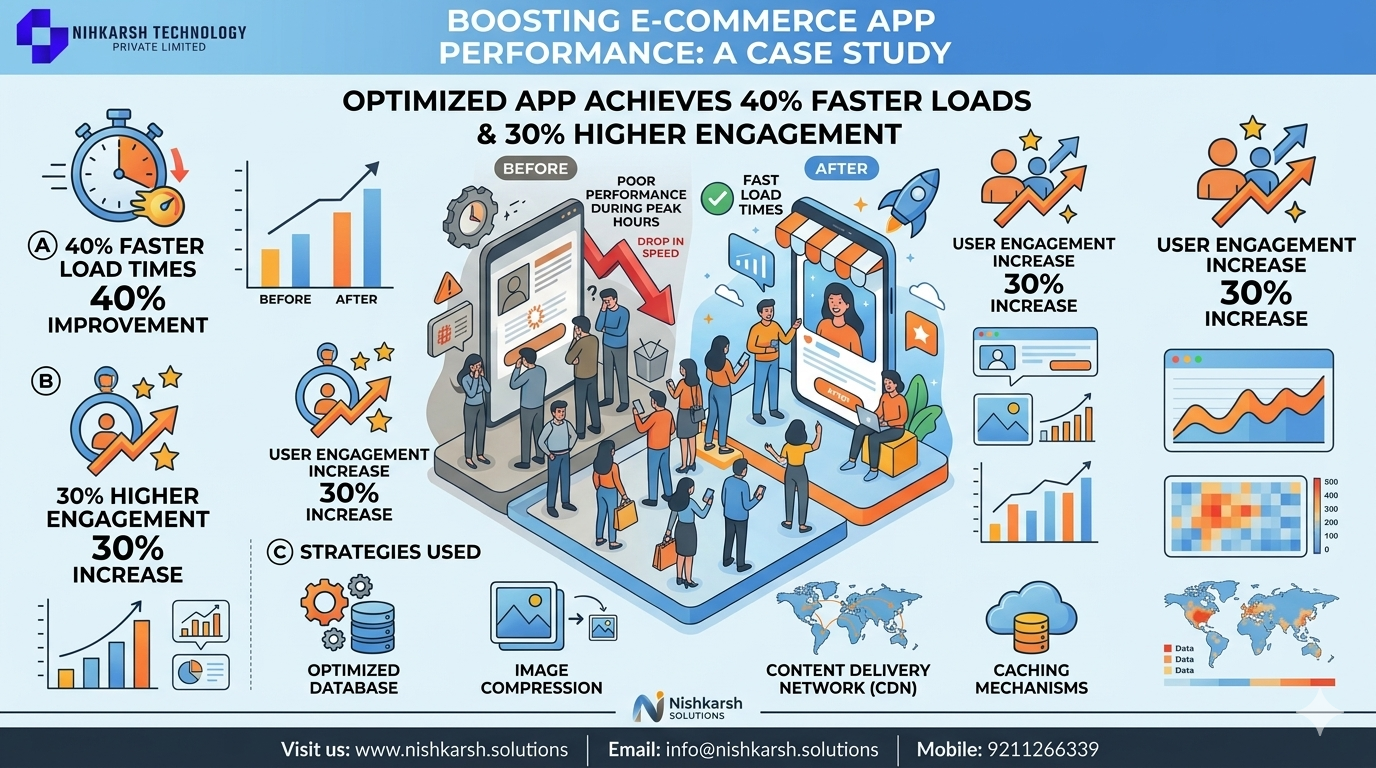
Consider an e-commerce app that saw a significant drop in performance during peak shopping hours. By implementing a combination of the strategies mentioned above, the app saw a 40% improvement in load times and a 30% increase in user engagement.
Key optimizations included:
- Migrating to a serverless architecture using AWS Lambda.
- Implementing WebP for image optimization.
- Using AI to predict and pre-provision resources during peak times.
- Regular performance monitoring and audits.
Conclusion
Improving app performance and speed is a multifaceted endeavor that requires a combination of efficient coding, leveraging cloud services, optimizing media, enhancing network performance, utilizing AI, and continuous monitoring. By adopting these strategies, you can ensure your app delivers a seamless and responsive user experience, ultimately driving user satisfaction and business success.
In the ever-evolving digital landscape of 2026, staying ahead of the curve with the latest trends and best practices will be key to maintaining a competitive edge. Embrace these optimizations, and watch your app thrive in the fast-paced world of technology.
Stay tuned for more insights on app development and performance optimization in the future!