
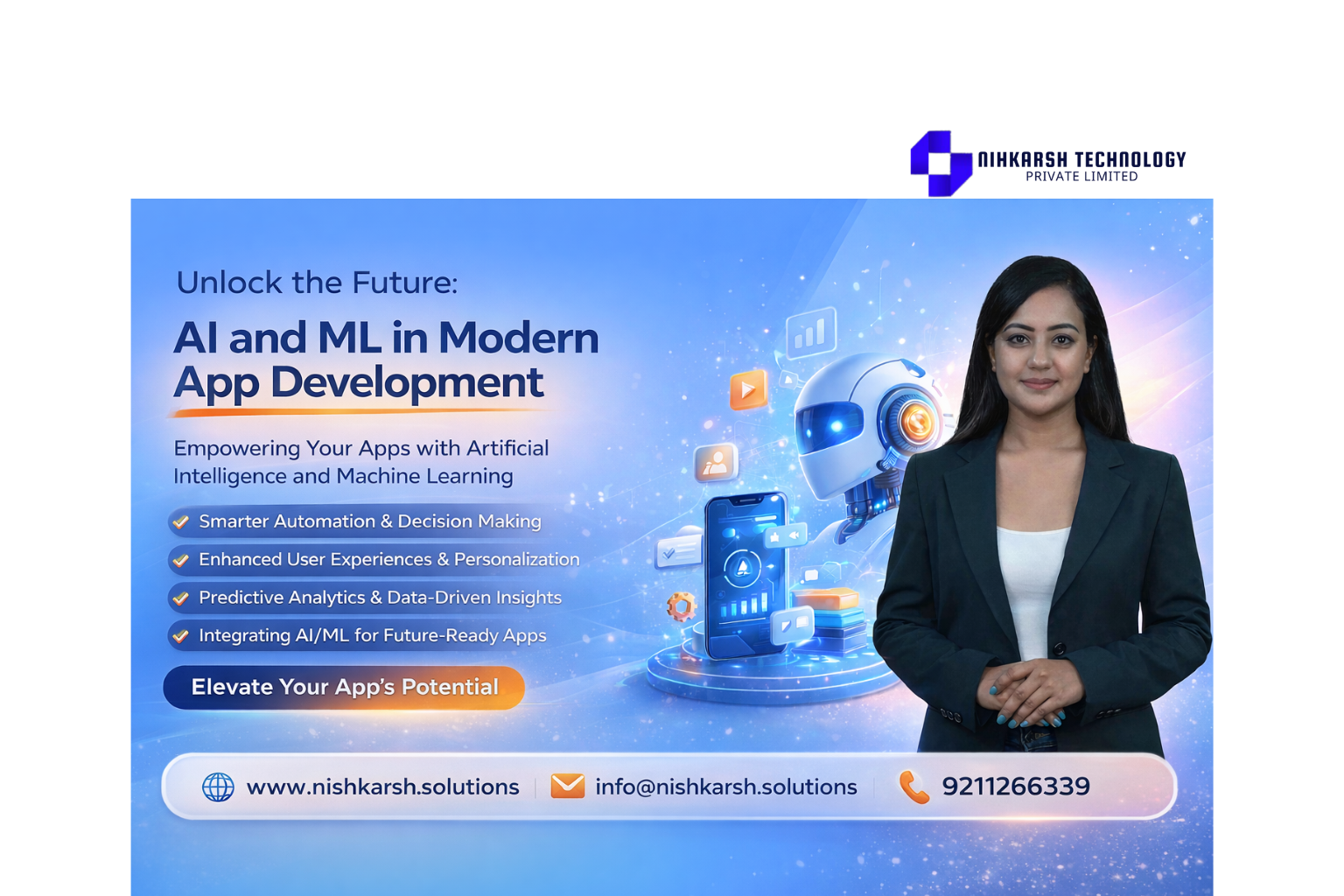
Unlock the Future: AI and ML in Modern App Development
The Role of AI and ML in Modern App Development
Welcome to the future of app development! By 2026 artificial intelligence and machine learning have become very important for creating efficient and user-friendly applications. Intelligence and machine learning are really changing how we make apps today. They are used from the start to the end of app development and even after. In this post we will explore how intelligence and machine learning are helping to transform modern app development. We will look at how they're used in every step from thinking of ideas, to launching the app and more.
Introduction to AI and ML in App Development
Artificial Intelligence and Machine Learning are not fancy terms anymore. They are the things that make new applications really work. Artificial Intelligence helps apps figure things out on their own and make choices without being told what to do. Machine Learning makes this happen by looking at a lot of information and getting better at its job over time. In a years by 2026 Artificial Intelligence and Machine Learning will be a part of every step in making an app, from designing what the user sees to making sure everything runs smoothly behind the scenes. Artificial Intelligence and Machine Learning are changing how apps are made.
Let's explore the multifaceted role of AI and ML in modern app development.
Enhanced User Experience with AI
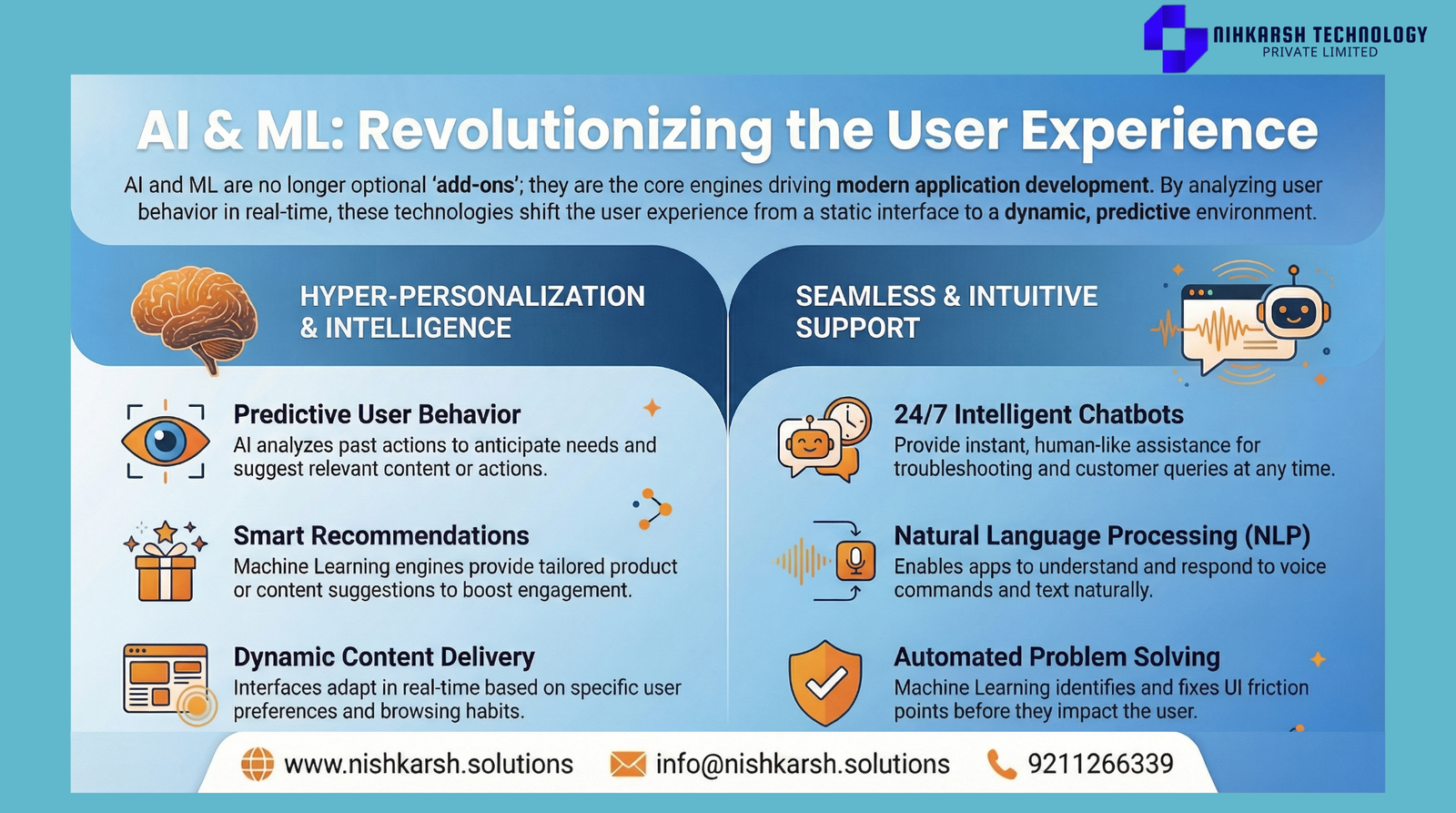
AI is changing the way we design user experience. It helps us understand what users want and need. With this information AI can create experiences that feel tailored to each individual. For example in shopping apps AI looks at what users have looked at and bought before. Then it suggests products that might interest them. This makes users more likely to engage with the app. As a result sales go up.
Natural Language Processing is something that helps make things easier for people to use. It is used in things like chatbots and virtual assistants. These chatbots and virtual assistants can answer questions from customers quickly so people do not have to wait. Natural Language Processing makes it possible for customer service bots in banking apps to be like people, by the year 2026. These Natural Language Processing customer service bots will be able to talk to people in a way that's more natural and caring which makes it nicer for people to interact with them.
Automated Testing and Quality Assurance
AI and Machine Learning are changing how we do quality assurance in app development. Automated testing tools that use AI can find bugs and issues faster than testing. These tools use Machine Learning algorithms to study test results and get better at finding problems. AI and Machine Learning help make sure apps work well by catching bugs and issues. Quality assurance gets a boost from AI and Machine Learning. They help testing tools get smarter over time. This means apps are more reliable and work better for users. AI and Machine Learning make testing more efficient. They are the future of quality assurance, in app development.
For example, AI-driven testing platforms can simulate user interactions, identify performance bottlenecks, and suggest optimizations. This not only speeds up the QA process but also ensures higher quality standards.
Data-Driven Decision Making
Data is really important for apps. Artificial Intelligence and Machine Learning are necessary to get information from this data. When we look at the information from users Artificial Intelligence can give us ideas that help us make good decisions, about developing apps. For example Artificial Intelligence can help us find out what is popular guess what users will do and make the app work better. Artificial Intelligence can do a lot of things like Artificial Intelligence can help us find trends and Artificial Intelligence can predict what users will do next and Artificial Intelligence can even optimize how the app performs.
For example, AI analytics in fitness apps by 2026 can track user progress, provide personalized workout plans, and even predict potential injuries based on data patterns.
Continuous Learning and Adaptation
One of the most significant advantages of AI and ML in app development is their ability to learn and adapt continuously. Apps can update their features, improve performance, and enhance user experience based on real-time data and user feedback.
For example, AI-driven news apps by 2026 can curate content based on user preferences, learn from user interactions, and even predict breaking news based on social media trends.
Cost and Time Efficiency
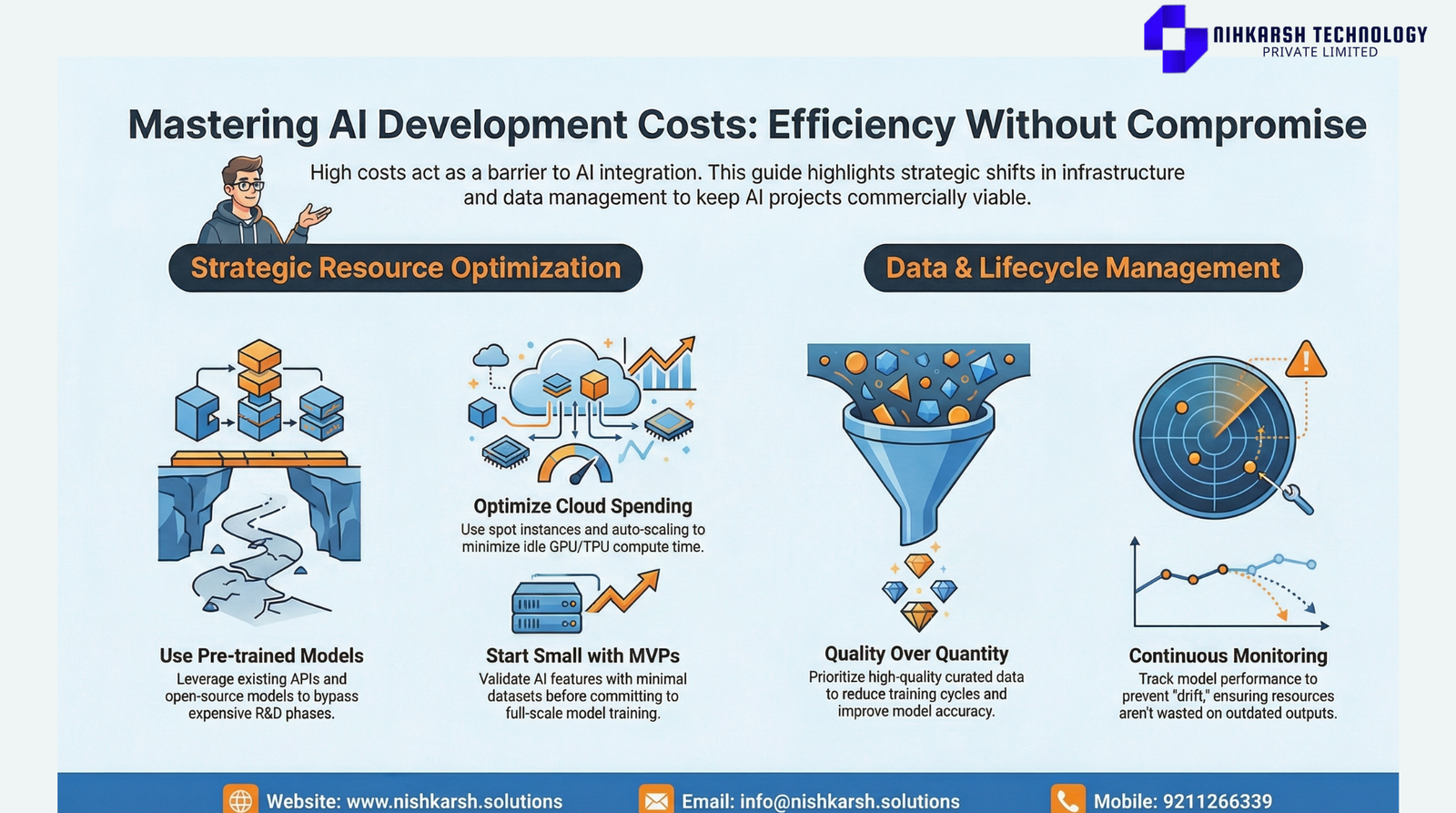
Intelligence and machine learning can really cut down the time and money it takes to develop something. For example tools that automatically write code can make pieces of code based on what we tell them which makes the whole process go faster. Also intelligence and machine learning can make sure we are using our resources in the best way possible so we do not have to get involved as much.
For example, AI-driven project management tools by 2026 can automate task allocation, track progress, and identify potential delays, ensuring projects stay on schedule and within budget.
Security and Privacy
AI and ML also play a crucial role in enhancing app security and privacy. AI can detect anomalies and potential threats in real-time, while ML can learn from these threats to improve security measures over time.
For example, AI-driven security systems in banking apps by 2026 can detect fraudulent transactions, prevent data breaches, and ensure user privacy.
Innovative Features and Functionality
AI and ML enable the development of innovative features and functionalities that were once unimaginable. Augmented Reality (AR) and Virtual Reality (VR) apps, for instance, use AI to create immersive experiences that engage users on a deeper level.
For example, AI-powered AR games by 2026 can adapt to user behavior, provide real-time feedback, and even learn from user interactions to improve gameplay.
Collaborative Development
AI and ML are also changing the way teams collaborate during app development. Tools powered by AI can facilitate better communication, streamline workflows, and ensure everyone is on the same page.
For example, AI-driven collaboration platforms by 2026 can automatically assign tasks, track progress, and provide insights into team performance, ensuring smoother project execution.
Future Trends in AI and ML in App Development
Looking ahead, the role of AI and ML in app development is set to grow even more pronounced. By 2026, we can expect to see more advanced AI applications like AI-generated content, AI-driven design tools, and even AI-powered app development platforms.
For example, AI-generated content tools by 2026 can create articles, social media posts, and even marketing campaigns, while AI-driven design tools can generate UI/UX designs based on user preferences and market trends.
Conclusion
AI and ML are not just trends in app development; they are the future. By 2026, AI and ML have become indispensable tools that enhance user experience, improve app performance, and drive innovation. From automated testing to data-driven decision making, AI and ML are transforming every aspect of app development.
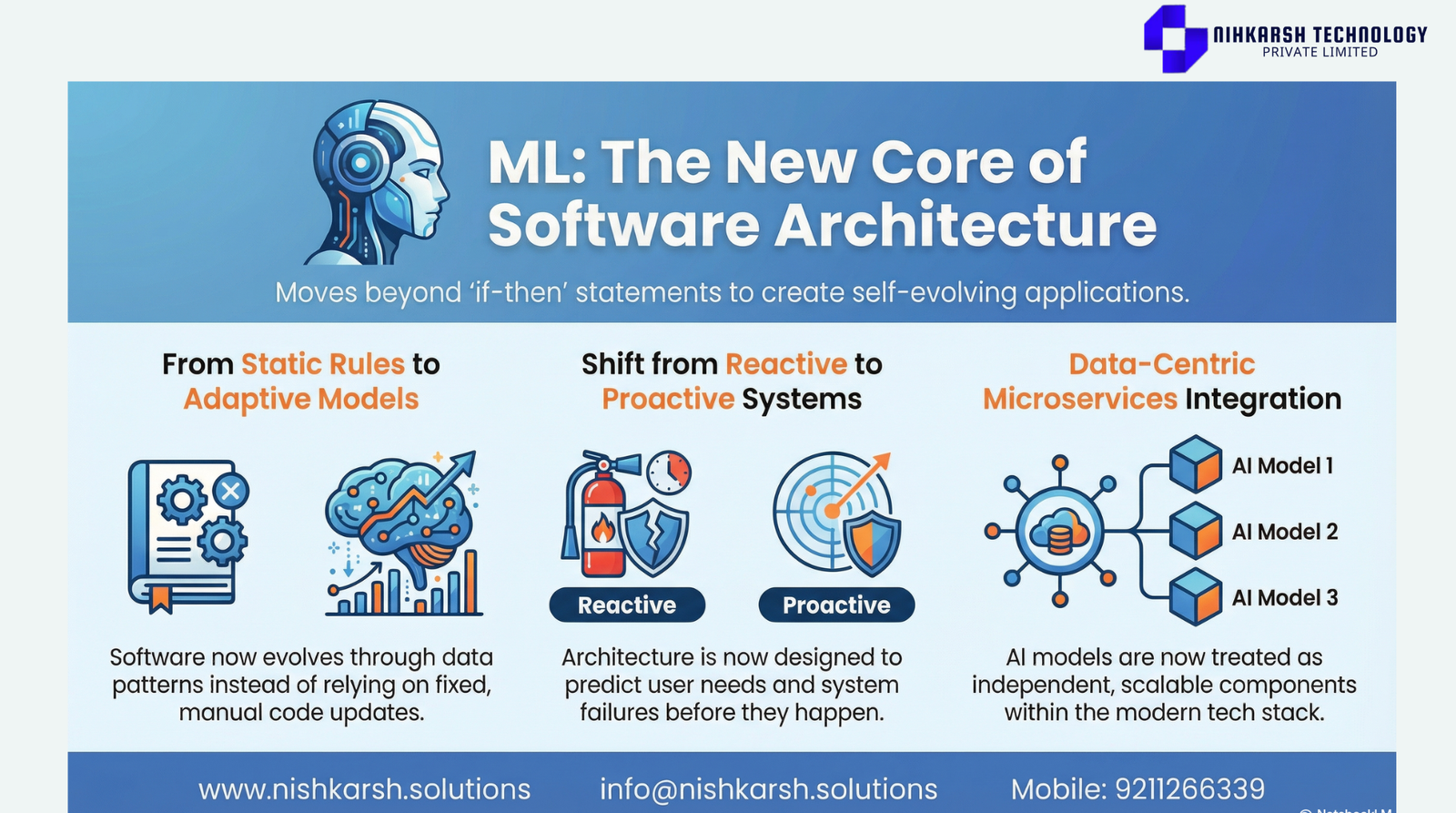
As we move forward, the integration of AI and ML in app development will only become more seamless and impactful. The future of app development is here, and it's powered by AI and ML.
Stay tuned for more insights into the evolving world of app development!