
Old vs New Tax Regime Comparison 2026: Save More Tax & Get a Higher Refund
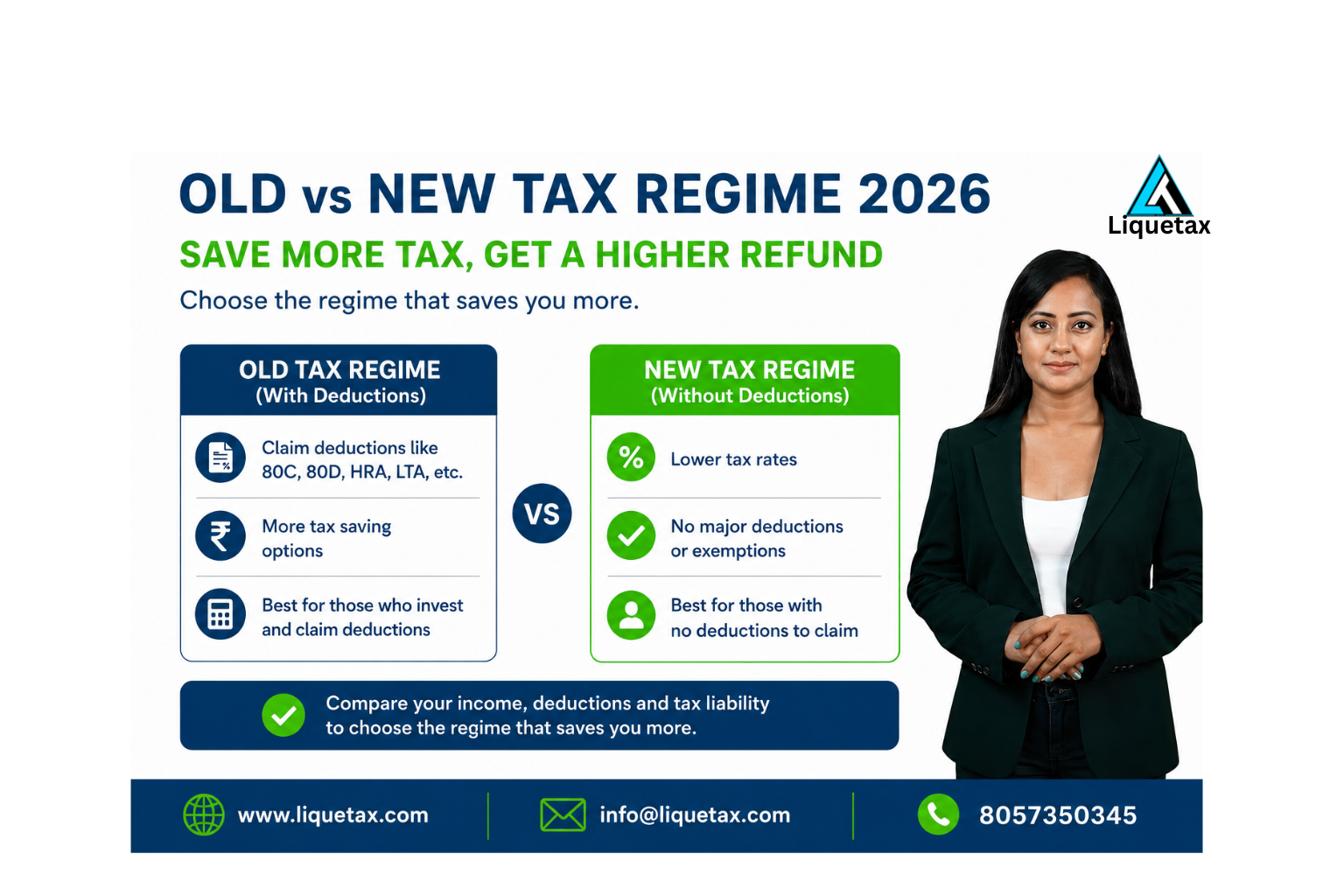
Old vs New Tax Regime Comparison 2026: Save More Tax & Get a Higher Refund
Introduction
Every taxpayer in India faces one important question while filing Income Tax Returns: Should I choose the Old Tax Regime or the New Tax Regime? The answer is not the same for everyone. Some taxpayers can save more tax under the Old Regime by claiming deductions and exemptions, while others can benefit from lower tax rates under the New Regime. In 2026, selecting the right tax regime can significantly impact your tax liability, refund amount, and overall financial planning. Many salaried employees and business professionals choose the wrong regime and end up paying more tax than necessary. This comprehensive guide will help you understand: Difference between Old and New Tax Regime Tax slabs applicable in 2026 Deductions available under both regimes Which regime is better for salaried employees Which regime is suitable for business owners How to maximize your income tax refund Frequently Asked Questions Let's understand everything in simple English.
What is the Old Tax Regime?
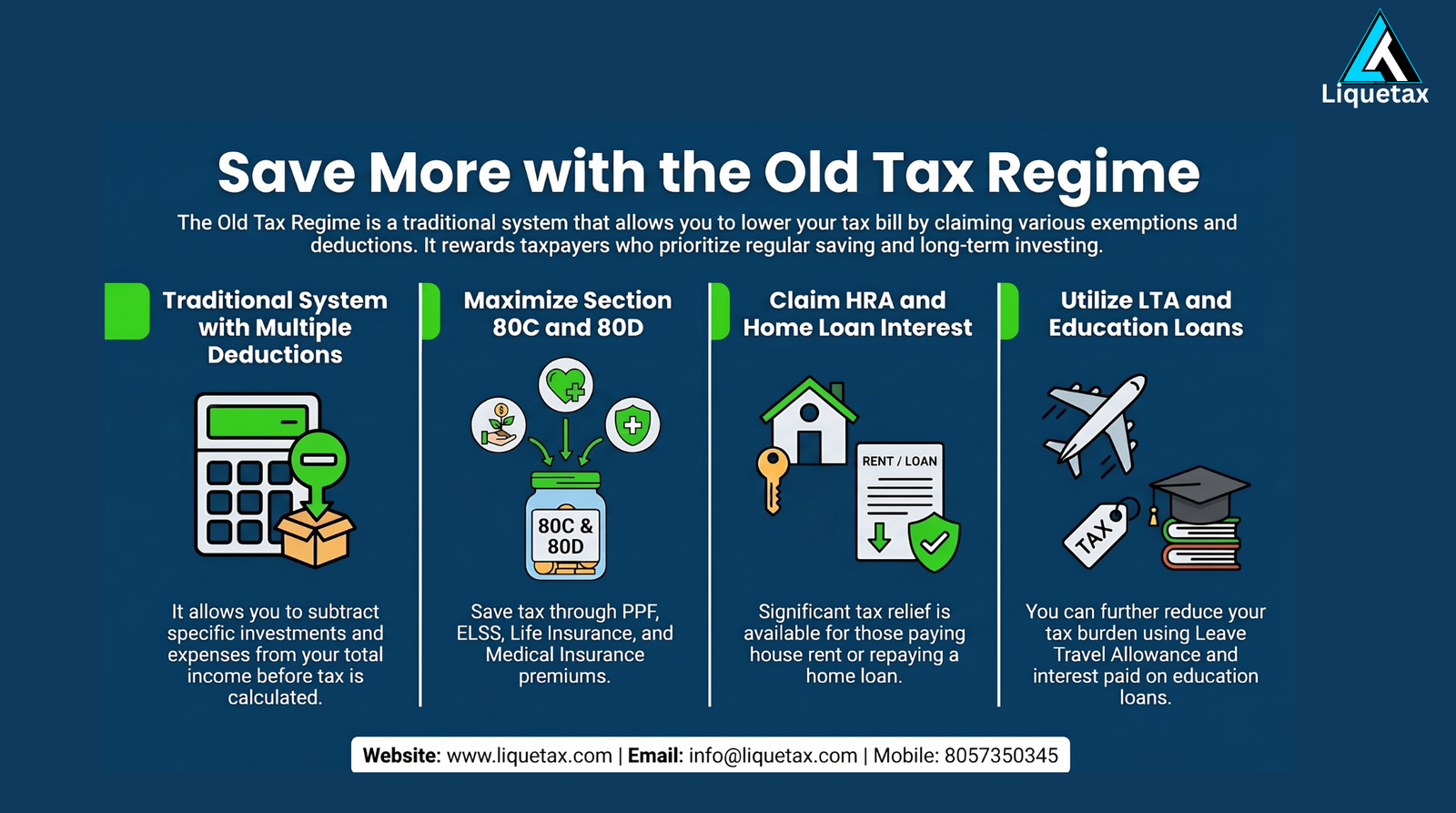
The Old Tax Regime is the traditional taxation system where taxpayers can claim multiple deductions and exemptions to reduce taxable income. Some popular deductions include: Section 80C (PPF, ELSS, LIC, EPF) Section 80D (Medical Insurance) Home Loan Interest House Rent Allowance (HRA) Leave Travel Allowance (LTA) NPS Contributions Education Loan Interest The Old Regime rewards taxpayers who invest and save regularly.
Income Tax Slabs Under New Tax Regime (2026)
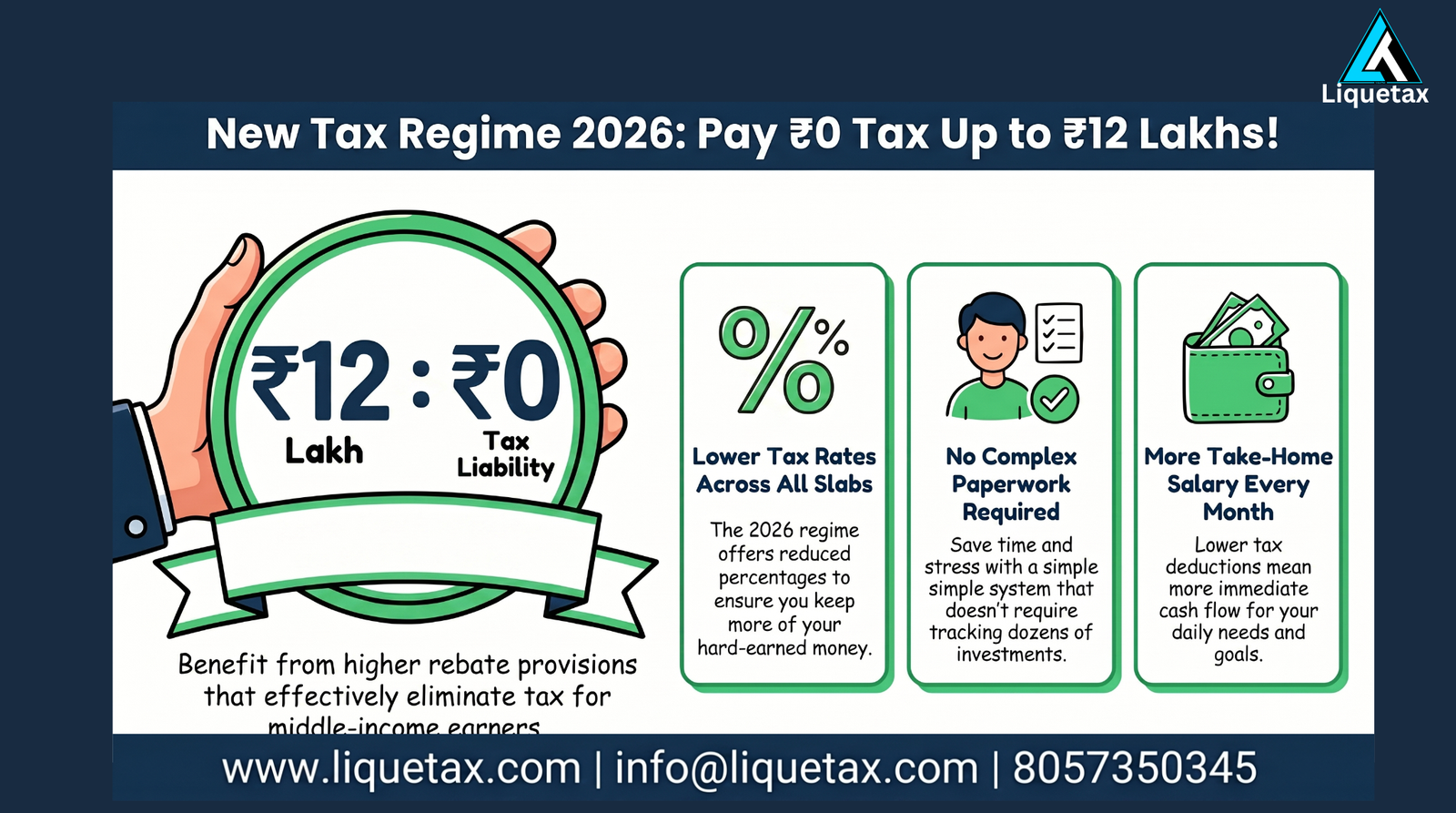
The New Tax Regime provides lower tax rates across multiple slabs and offers a higher effective tax-free threshold through rebate provisions. For many taxpayers, income up to ₹12 lakh can effectively result in zero tax liability, subject to applicable conditions.
Deductions Available Under Old Tax Regime
One major advantage of the Old Regime is the ability to reduce taxable income through deductions.
1. Section 80C
Maximum deduction: ₹1.5 Lakh Eligible Investments: PPF ELSS Mutual Funds LIC Premium EPF NSC Sukanya Samriddhi Yojana
2. Section 80D
Health Insurance Premium Deduction: Self and Family Parents Senior Citizens
3. Home Loan Interest
Deduction up to ₹2 Lakh on self-occupied property.
4. HRA Exemption
Employees living in rented accommodation can claim HRA benefits under the old regime. HRA is generally not available under the new regime.
5. NPS Deduction
Additional deduction under Section 80CCD(1B). Maximum Benefit: ₹50,000
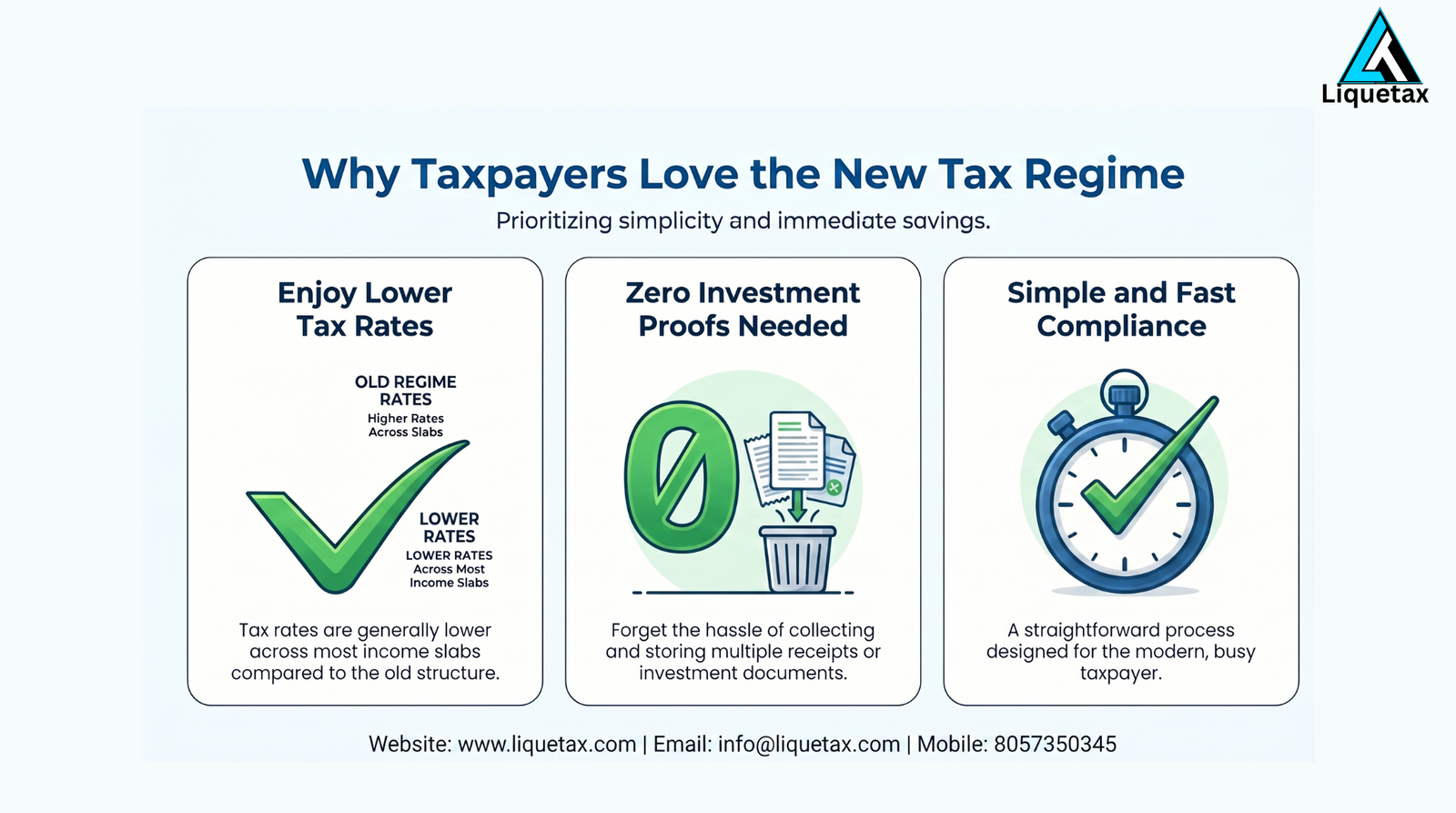
Why Many Taxpayers Prefer the New Tax Regime
The New Regime is becoming increasingly popular because:
Lower Tax Rates
Tax rates are generally lower compared to the old structure.
Simple Compliance
No need to collect multiple investment proofs.
Less Documentation
Easy tax filing process.
Better Cash Flow
Taxpayers are not forced to make investments just for tax saving.
Suitable for Young Professionals
Individuals with fewer investments often benefit more.
When Should You Choose the New Tax Regime?
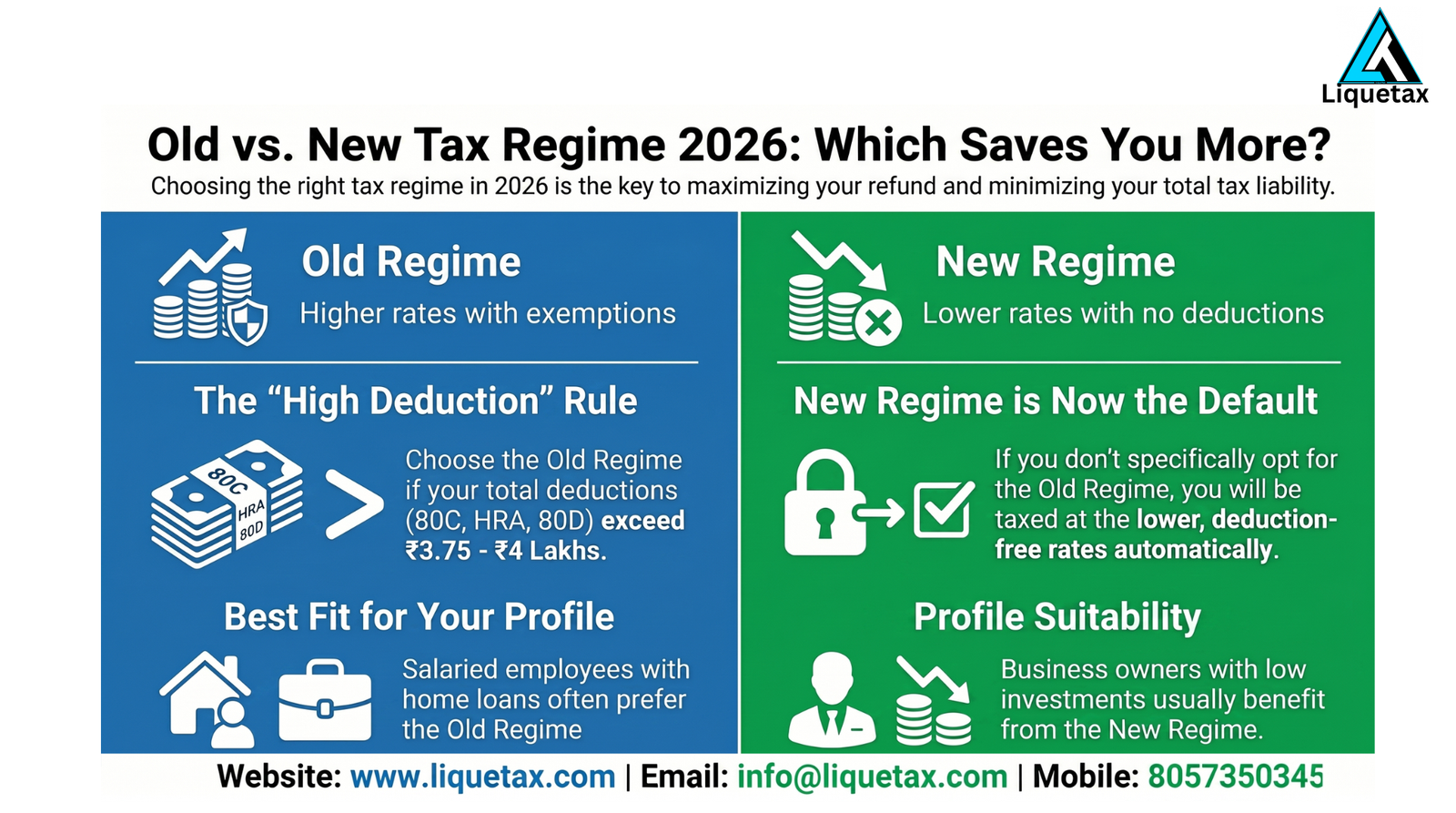
Choose the New Regime if: You have minimal tax-saving investments. You do not claim HRA. You do not have a home loan. You prefer simple filing. You want higher take-home salary. The new regime often works well for salaried individuals who do not use many deductions.
Example: Which Regime Saves More Tax?
Example 1
Annual Salary: ₹8 Lakh Deductions Claimed: 80C: ₹1.5 Lakh 80D: ₹25,000 HRA Benefit Result: Old Regime may provide higher savings.
Example 2
Annual Salary: ₹8 Lakh No Investments No Home Loan No HRA Result: New Regime may be more beneficial.
Conclusion
The choice between the Old Tax Regime and the New Tax Regime can directly impact your tax savings and refund amount. The Old Regime rewards disciplined investors and taxpayers who utilize deductions effectively. On the other hand, the New Regime offers simplicity and lower tax rates for those who prefer hassle-free compliance. Before filing your ITR in 2026, compare both regimes carefully and select the one that provides maximum tax savings based on your income, investments, and financial goals. A few minutes of comparison can help you save thousands of rupees in taxes and increase your refund.
Need Help Choosing the Best Tax Regime?
Don't leave your tax savings to guesswork. Get professional assistance from Liquetax and maximize your tax savings legally. 🌐 Website: www.liquetax.com 📧 Email: info@liquetax.com 📞 Mobile: 8057350345 Our tax experts can help you: ✔ Compare Old vs New Tax Regime ✔ Calculate Maximum Refund ✔ File ITR Accurately ✔ Reduce Tax Liability Legally ✔ Resolve Income Tax Notices Contact Liquetax today and make smarter tax decisions for 2026.
Frequently Asked Questions (FAQs)
1. Which tax regime is better in 2026?
It depends on your deductions and investments. Taxpayers with substantial deductions often benefit from the Old Regime, while others may find the New Regime more beneficial.
2. Can I switch between tax regimes every year?
Yes, salaried individuals can generally choose the tax regime while filing their return, subject to applicable rules.
3. Can I claim HRA in the New Tax Regime?
No, HRA exemption is generally not available under the New Tax Regime.
4. Can I claim Section 80C deduction in the New Regime?
No, most Section 80C deductions are not available under the New Regime.
5. Which regime gives a higher refund?
The regime that results in lower tax liability based on your specific financial situation will generally provide a higher refund.