
Old SEO vs New SEO: What Every Website Owner Needs to Know

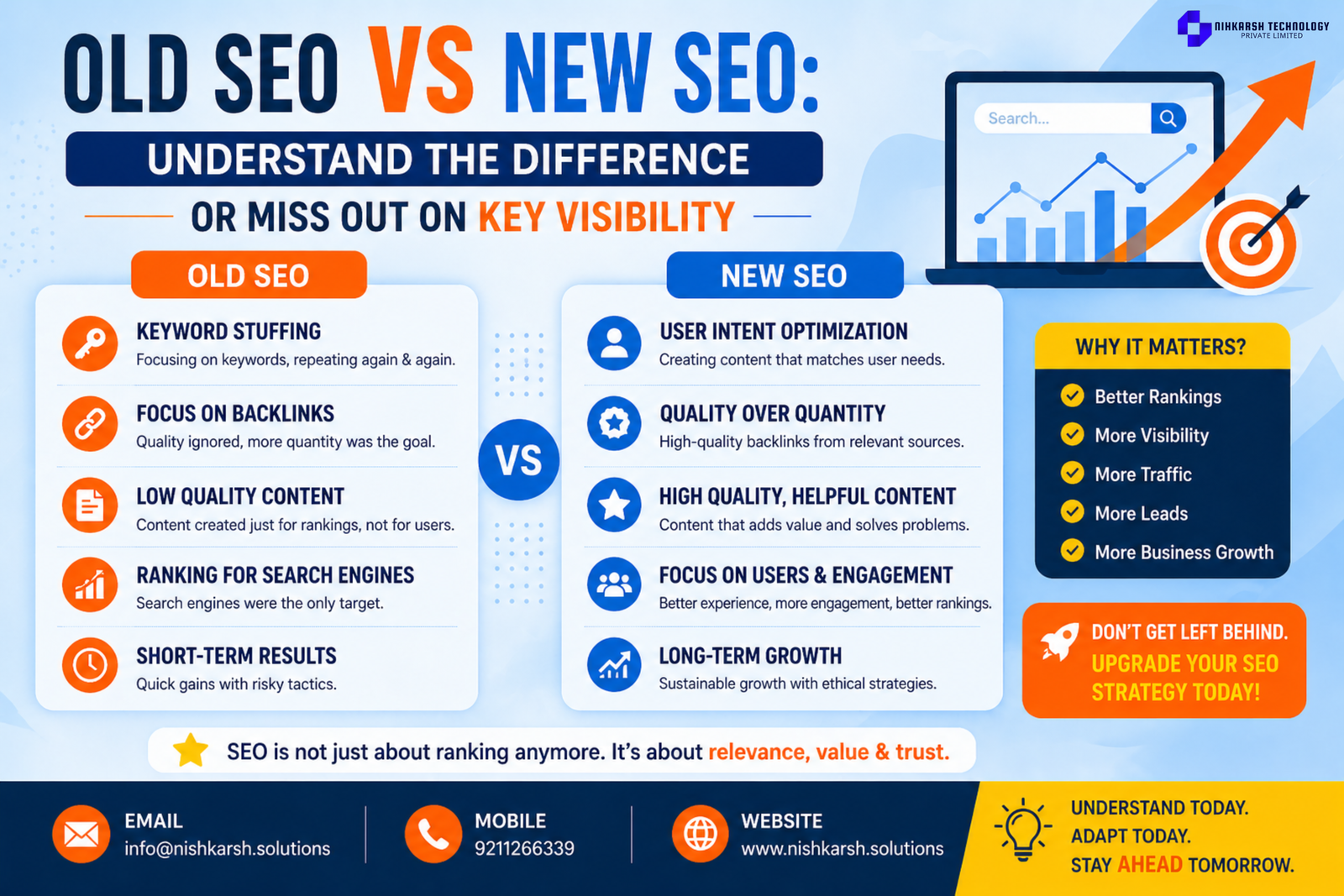
Old SEO vs New SEO: Understand the Difference or Miss Out on Key Visibility
In today’s digital world, simply having a website is not enough. Millions of websites compete for attention on search engines like Google every day. If your website is not appearing in search results, the reason may be that you are still using old SEO techniques.Conclusion: Adapt or Get Left Behind
Search Engine Optimization (SEO) has evolved dramatically over the last few years. What worked in the past may now harm your website’s ranking. Understanding the difference between Old SEO and New SEO is essential if you want to maintain visibility and grow your business online. This article explains how SEO has changed and what strategies businesses should focus on today.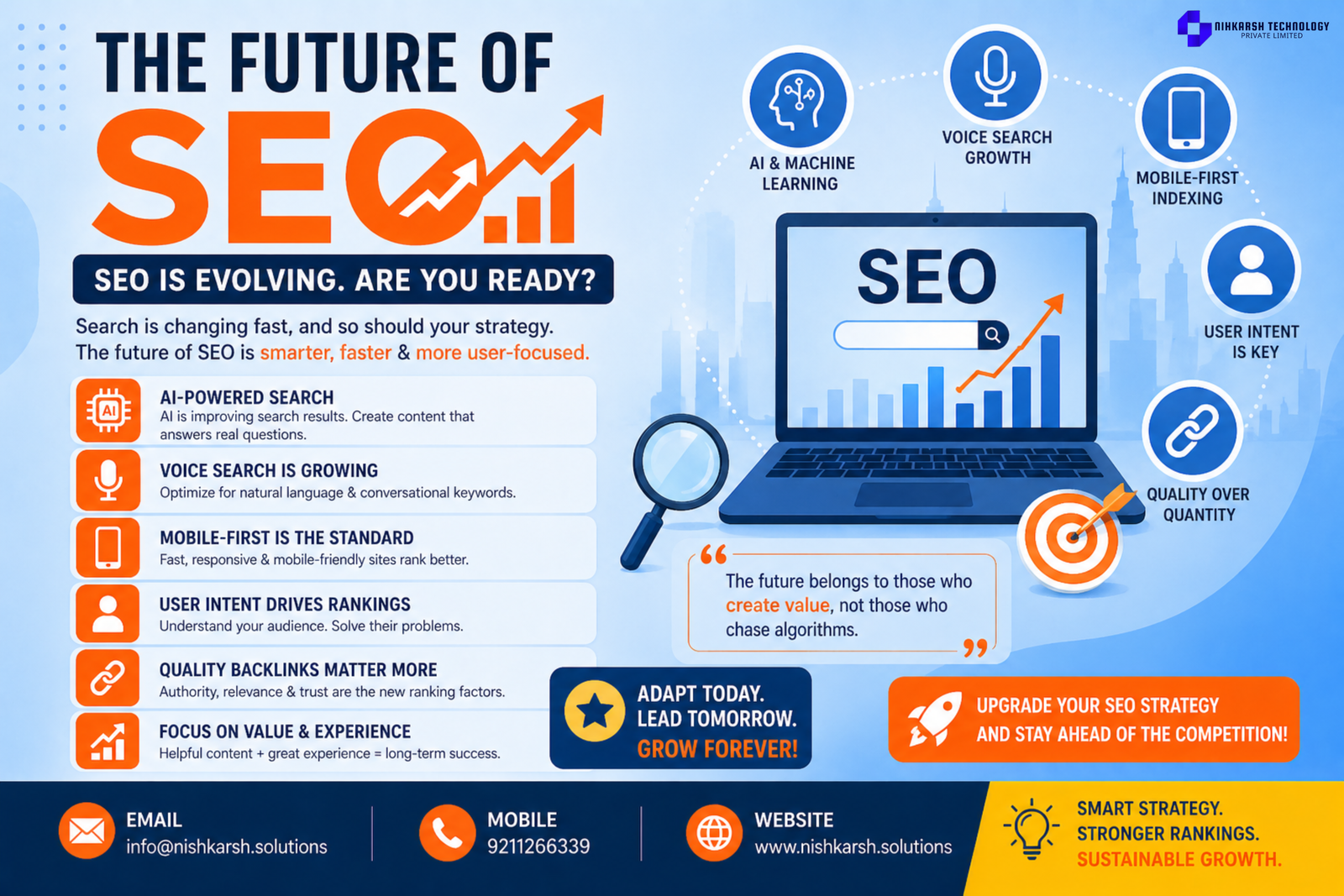
Introduction: Why SEO Has Evolved
SEO has changed a lot over the years. Earlier, websites could rank on Google by simply repeating keywords, creating many backlinks, or using other shortcut techniques. At that time, search engines were not advanced enough to understand the real quality of content. But as the internet grew, search engines like Google improved their algorithms to provide better and more relevant results to users. Today, SEO is no longer about tricks or shortcuts. It focuses on high-quality content, user experience, and providing real value to readers. Businesses that adapt to modern SEO strategies have a better chance of improving their online visibility, building trust, and achieving long-term growth in the digital world.The Death of Keyword Stuffing
Earlier, many websites tried to rank on Google by repeating the same keywords again and again in their content. This method, known as keyword stuffing, was once a common SEO trick. While it sometimes worked in the past, it often made the content difficult to read and less useful for visitors. Today, search engines have become much smarter. Google now focuses on content quality and user experience rather than how many times a keyword appears on a page. If keywords are used unnaturally, it can actually harm a website’s ranking. Modern SEO encourages using keywords naturally within helpful and informative content. The goal is simple: write for people first, and search engines will follow..
Why Old SEO No Longer Works
Search engines have become far more advanced. Google’s algorithm now uses artificial intelligence, machine learning, and hundreds of ranking factors to determine which websites deserve top positions. Updates like Google Panda, Penguin, and Helpful Content updates were designed specifically to eliminate low-quality SEO tactics. Today, websites that rely on outdated strategies may experience: Lower search rankings Reduced organic traffic Loss of credibility Possible Google penalties This is why businesses must shift their focus from manipulating search engines to genuinely helping users..
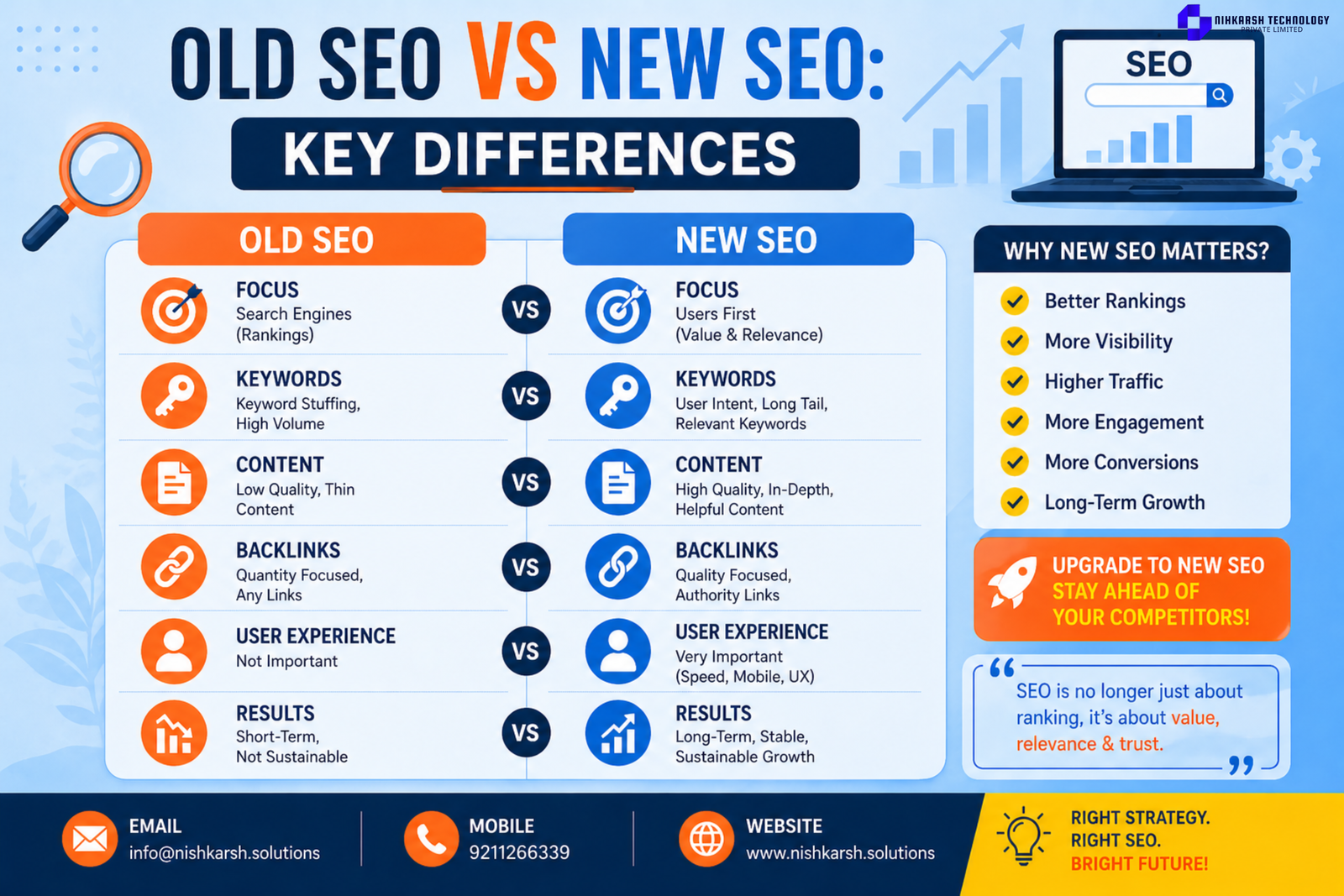
Old SEO vs New SEO: Key Differences
SEO has changed significantly over time. Old SEO mainly focused on tricks to rank quickly, such as keyword stuffing, buying many backlinks, and creating large amounts of low-quality content. The main goal was to please search engine algorithms rather than help users. In contrast, new SEO focuses on quality and user experience. Search engines now prefer websites that provide useful content, natural keyword usage, fast loading speed, and mobile-friendly design. Simply put, old SEO relied on shortcuts, while modern SEO focuses on trust, valuable content, and long-term growth. Websites that follow modern SEO practices have a much better chance of ranking higher and building lasting online visibility.
Key Elements of Modern SEO
1. High Quality Content
Content is still one of the most important ranking factors, but quality now matters far more than quantity.
A good article should:
Solve the reader’s problem
Provide useful insights
Be easy to understand
Offer genuine value
Search engines reward websites that create helpful and informative content.
2. Understanding Search Intent
Modern SEO focuses on what users are actually searching for.
For example, when someone searches “How to register a company in India”, they expect clear guidance, steps, and useful information.
If your content answers their question effectively, search engines will recognize its value.
 3. User Experience (UX)
Google now evaluates how visitors interact with your website.
Important factors include:
Page loading speed
Mobile responsiveness
Easy navigation
Clean design
A positive user experience keeps visitors on your website longer, which signals quality to search engines.
4. Authority and Trust
Search engines prefer websites that demonstrate expertise and credibility.
Authority can be built through:
High-quality backlinks from trusted websites
Expert written content
Consistent publishing
Brand reputation
5. Technical SEO
Technical improvements help search engines crawl and understand your website.
Examples include:
Proper website structure
Fast loading pages
Secure HTTPS connection
Optimized images and metadata
3. User Experience (UX)
Google now evaluates how visitors interact with your website.
Important factors include:
Page loading speed
Mobile responsiveness
Easy navigation
Clean design
A positive user experience keeps visitors on your website longer, which signals quality to search engines.
4. Authority and Trust
Search engines prefer websites that demonstrate expertise and credibility.
Authority can be built through:
High-quality backlinks from trusted websites
Expert written content
Consistent publishing
Brand reputation
5. Technical SEO
Technical improvements help search engines crawl and understand your website.
Examples include:
Proper website structure
Fast loading pages
Secure HTTPS connection
Optimized images and metadata
Why Businesses Must Adapt to Modern SEO
The digital marketplace is more competitive than ever. Businesses that rely on outdated SEO strategies risk losing their online visibility. Modern SEO offers long-term benefits such as: Higher Google rankings Increased organic traffic Better customer trust Sustainable online growth Companies that adopt modern SEO strategies are more likely to attract the right audience and convert visitors into customers.
The Future of SEO
SEO will continue to evolve as search engines become more intelligent. Artificial intelligence, voice search, and user behavior analysis are already shaping the future of search. Businesses that focus on authentic content, trust, and user experience will always stay ahead. The goal is no longer just ranking on Google — it is about creating meaningful digital experiences for users.
The Future of SEO: Predictions for 2026-2030
In the coming years, SEO will focus more on user intent, quality content, and trust. Search engines are becoming smarter with the help of artificial intelligence, which means they can better understand what users are really looking for. Voice search and conversational queries are also increasing, so websites will need to create clear, helpful, and natural content. In addition, factors like website speed, mobile experience, and reliable information will continue to play an important role in rankings. Overall, the future of SEO will focus less on tricks and more on providing real value to users. Businesses that adapt to these changes will have better chances of growing their online visibility.:
Old SEO tactics are fading, and new SEO strategies are taking center stage. To maintain visibility in 2026 and beyond, you must:
- Prioritize E-A-T and content quality over backlinks
- Optimize for voice search and featured snippets
- Ensure fast, mobile-friendly pages
- Stay updated on AI and ethical SEO trends
The digital landscape is changing rapidly, and those who fail to adapt will be left in the dust. By embracing the latest SEO best practices, you can secure your place at the top of search results and drive sustainable growth.