
New Tax Regime vs Old Tax Regime: Which Saves More Tax Above ₹10 Lakh Salary?
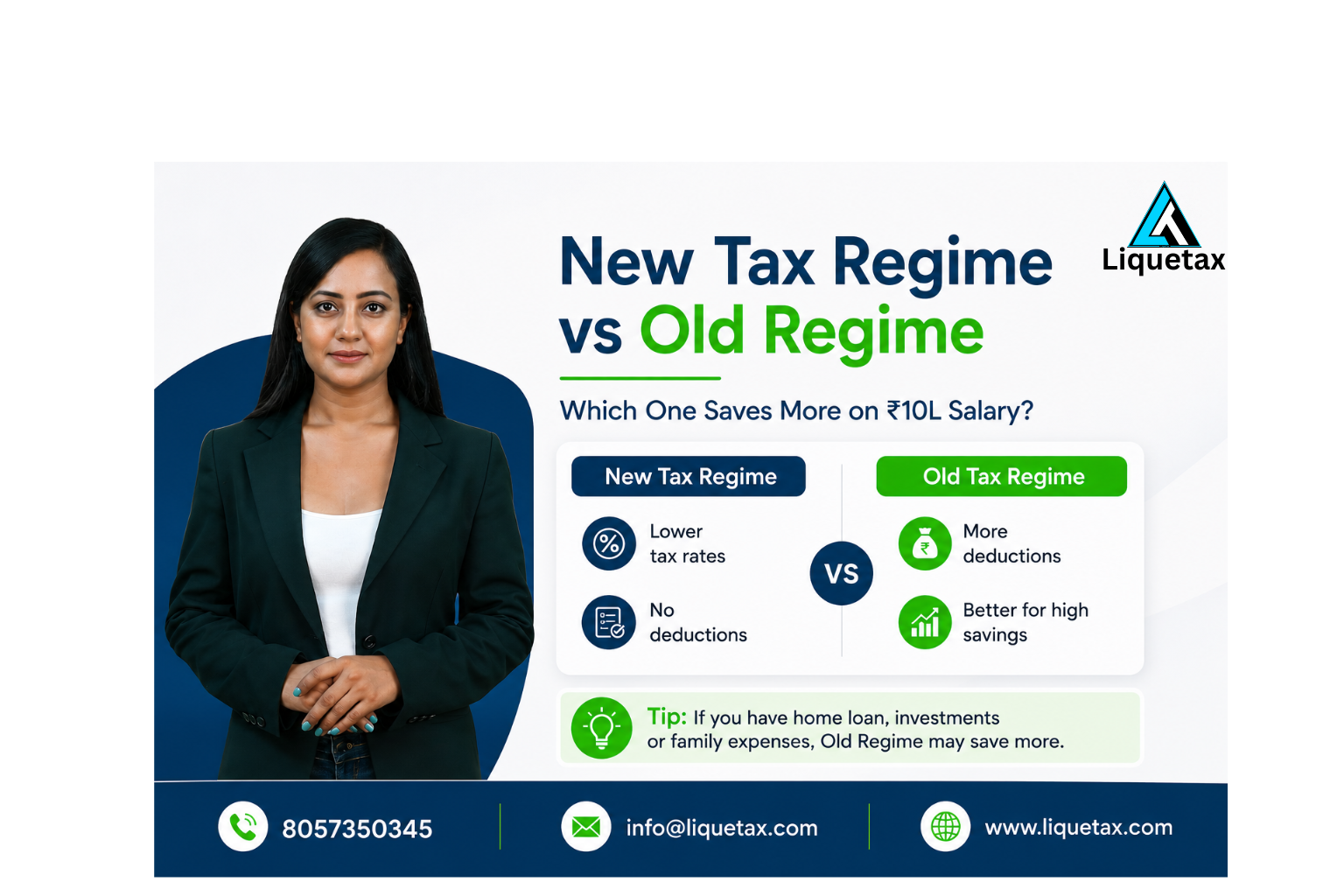
New Tax Regime vs Old Tax Regime: Which Saves More Tax Above ₹10 Lakh Salary?
Introduction
Tax planning is one of the most important financial activities for salaried employees in India. If your annual salary is above ₹10 lakh, choosing the right tax regime can significantly impact your tax liability and overall savings. Since the introduction of the New Tax Regime, many taxpayers have been confused about whether they should continue with the Old Tax Regime or switch to the New Tax Regime. Both options have their own advantages and limitations. The best choice depends on your salary structure, investments, deductions, and financial goals. In this comprehensive guide, we will compare the New Tax Regime and Old Tax Regime in simple English, explain their benefits, and help you determine which option can save more tax when your salary exceeds ₹10 lakh.
What Is the Old Tax Regime?
The Old Tax Regime is the traditional taxation system that allows taxpayers to reduce their taxable income through various deductions and exemptions. Under this regime, you can claim tax benefits on investments, insurance premiums, home loans, rent payments, and several other expenses.
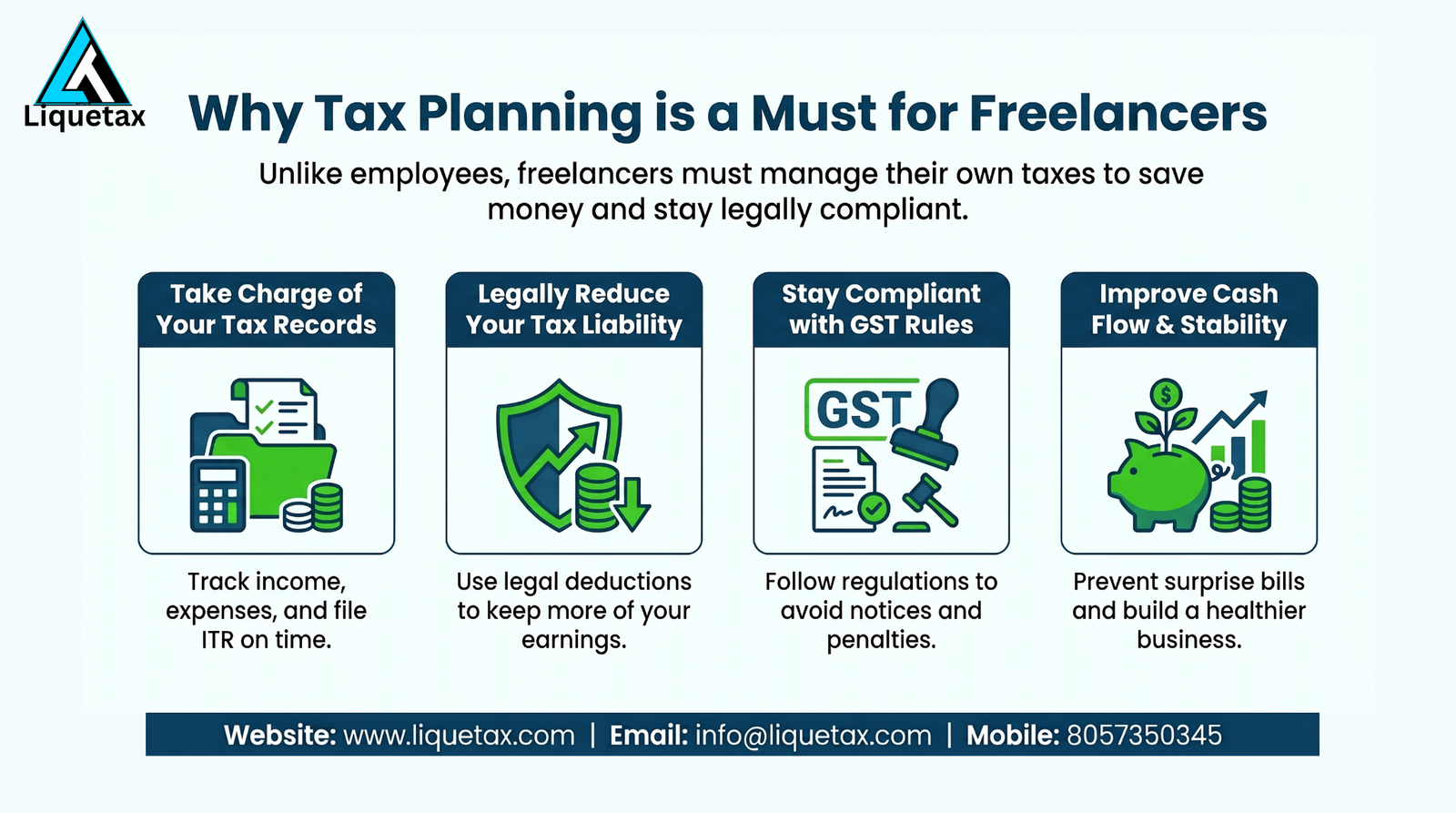
Popular Deductions Available Under the Old Tax Regime
1. Section 80C Deduction
You can claim deductions up to ₹1.5 lakh through: Employee Provident Fund (EPF) Public Provident Fund (PPF) ELSS Mutual Funds Life Insurance Premium Tax Saving Fixed Deposits Sukanya Samriddhi Yojana Children's Tuition Fees Home Loan Principal Repayment
2. Section 80D
Deduction for health insurance premiums paid for: Self Spouse Children Parents
3. Home Loan Interest Benefit
Under Section 24(b), taxpayers can claim up to ₹2 lakh deduction on home loan interest for self-occupied property.
4. National Pension System (NPS)
Additional deduction of ₹50,000 under Section 80CCD(1B).
5. House Rent Allowance (HRA)
Employees living in rented accommodation can claim HRA exemption.
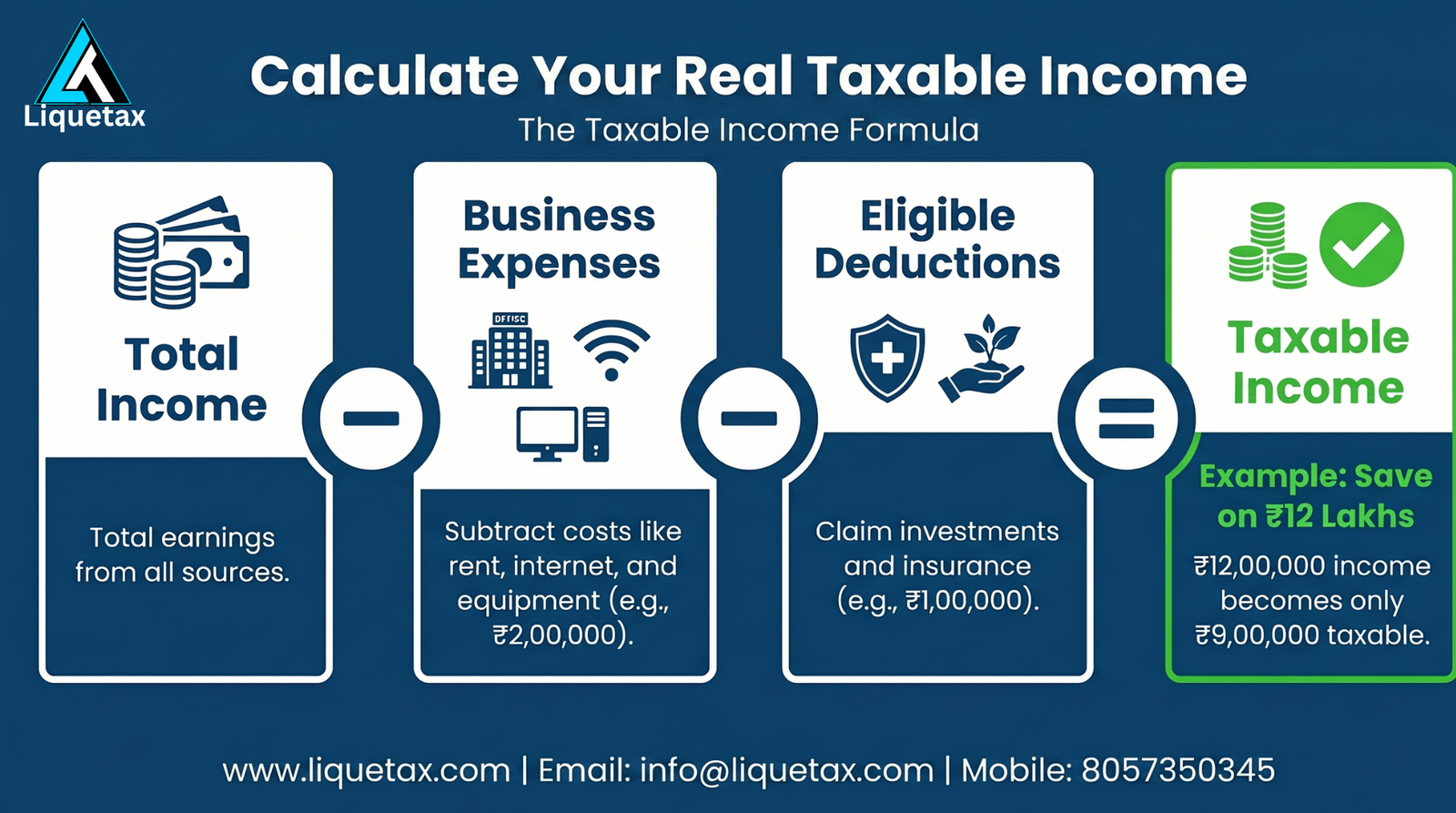
What Is the New Tax Regime?
The New Tax Regime was introduced to simplify the taxation system. It offers lower tax rates but removes most deductions and exemptions available under the Old Tax Regime. The New Tax Regime is especially beneficial for taxpayers who do not make significant tax-saving investments.
Benefits of the New Tax Regime
Lower tax rates Simplified tax filing Less paperwork No need to invest solely for tax savings Suitable for individuals with limited deductions
Salary Above ₹10 Lakh: Which Regime Is Better?
There is no one-size-fits-all answer. The right choice depends on the deductions you claim. Let's understand through practical examples.

Example 1: Salary ₹10 Lakh with No Deductions
Assume: Salary: ₹10 lakh No HRA No home loan No tax-saving investments No NPS contribution Result The New Tax Regime generally works better because lower tax rates apply and there are no deductions to lose.
Example 2: Salary ₹12 Lakh with Moderate Investments
Assume: Salary: ₹12 lakh Section 80C Investment: ₹1.5 lakh NPS: ₹50,000 Health Insurance: ₹25,000 Result The tax benefit available under the Old Tax Regime starts becoming significant. In many cases, the Old Tax Regime may generate lower tax liability.
Who Should Choose the Old Tax Regime?
The Old Tax Regime is generally suitable if you: Invest under Section 80C Claim HRA exemption Have a home loan Pay health insurance premiums Contribute to NPS Want to build long-term savings through tax-efficient investments The higher your deductions, the more beneficial the Old Tax Regime becomes.
Who Should Choose the New Tax Regime?
The New Tax Regime is often suitable if you: Are a young professional Have no home loan Do not claim HRA Make limited tax-saving investments Prefer a simpler filing process Want flexibility in financial planning
Conclusion
If your salary is above ₹10 lakh, selecting the right tax regime can save thousands of rupees every year. The New Tax Regime is generally beneficial for individuals with fewer deductions and a simple salary structure. The Old Tax Regime often works better for taxpayers who claim HRA, home loan benefits, health insurance deductions, NPS contributions, and Section 80C investments. Before filing your Income Tax Return, compare both options carefully and choose the regime that minimizes your tax liability while supporting your long-term financial goals.
Contact Liquetax
Website: www.liquetax.com 📧 Email: info@liquetax.com 📞 Mobile: 8057350345 Book a consultation today and discover the best tax-saving strategy for your salary and financial goals.,/p>
Frequently Asked Questions (FAQs)
1. Which tax regime is better for a salary above ₹10 lakh?
The answer depends on your deductions. Taxpayers with substantial deductions often benefit from the Old Tax Regime, while those with fewer deductions may benefit from the New Tax Regime.
2. Can I change my tax regime every year?
Most salaried individuals can choose the regime while filing their Income Tax Return, subject to applicable tax provisions.
3. Is HRA exemption available in the New Tax Regime?
Generally, HRA exemption is not available under the New Tax Regime.
4. Can I claim Section 80C deductions in the New Tax Regime?
Most Section 80C deductions are not available under the New Tax Regime.
5. Does NPS help in saving tax?
Yes. NPS offers additional tax benefits under eligible provisions and also supports retirement planning.