
Boost Revenue Fast: How Google Ads Powers High-Speed Growth
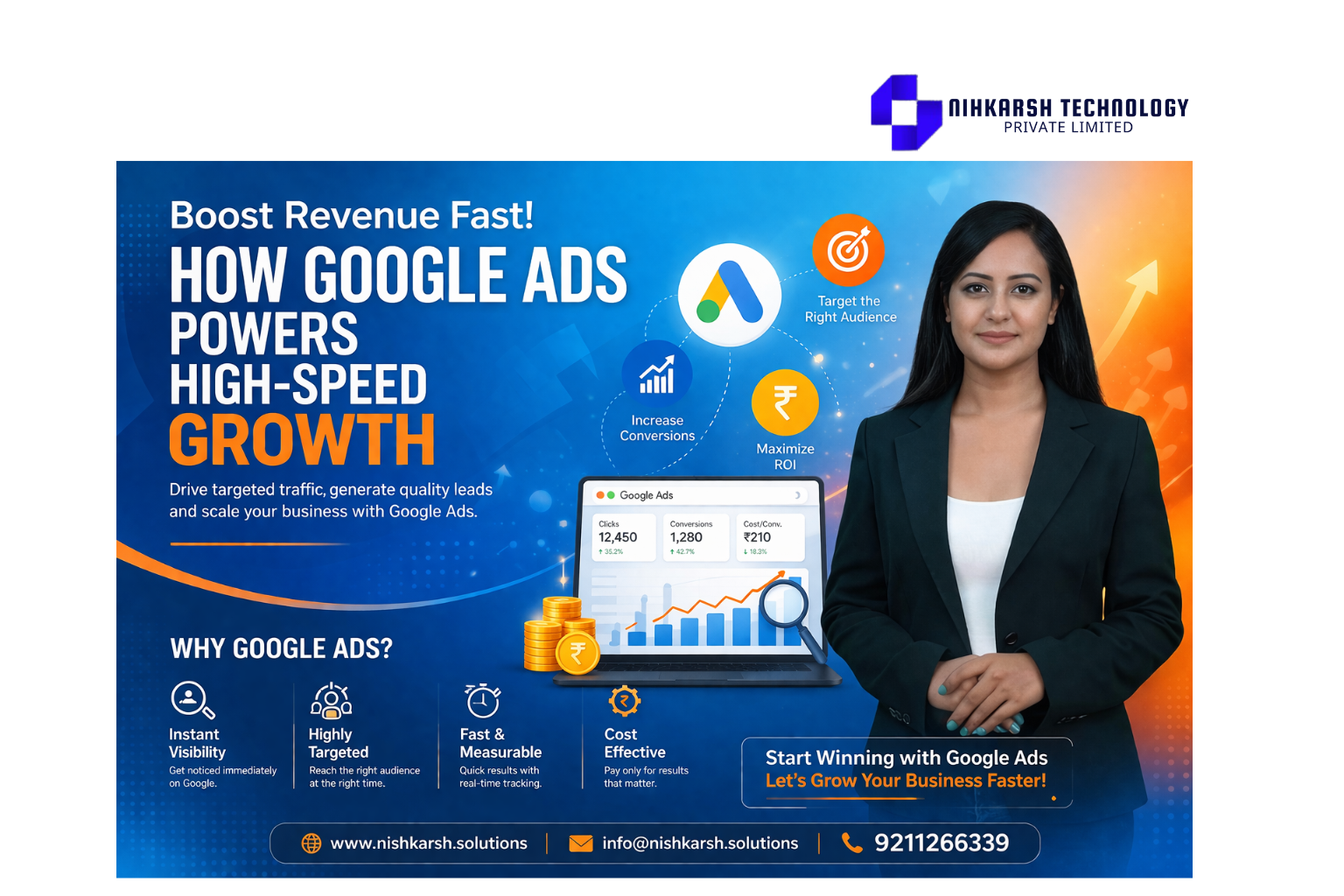
Accelerate Growth: Turning Google Ads into a High-Speed Revenue Engine
In 2026, businesses that master Google Ads aren't just running campaigns—they're building high-speed revenue engines. With advancements in AI-driven targeting, predictive analytics, and cross-channel automation, Google Ads has evolved from a simple advertising tool into a sophisticated growth machine. The key to success lies in strategic optimization, data-driven decision-making, and continuous adaptation to market trends. This guide will walk you through the latest techniques to transform your Google Ads campaigns into a revenue powerhouse.
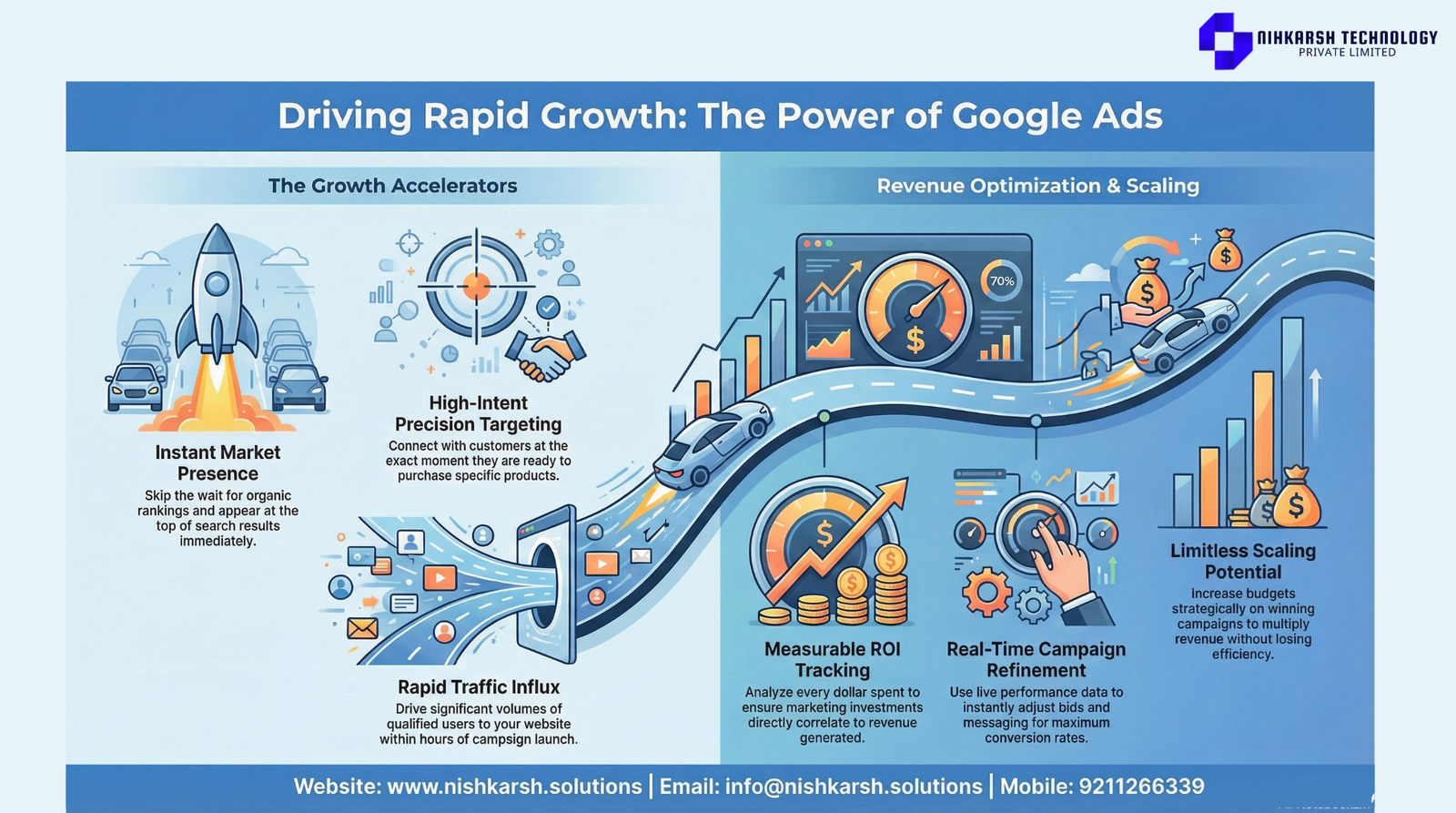
1. The Evolution of Google Ads in 2026
Google Ads has come a long way since its inception. In 2026, the platform integrates seamlessly with AI, machine learning, and real-time data processing. Key advancements include:
- AI-Powered Smart Bidding: Algorithms now predict conversion likelihoods with 95% accuracy, optimizing bids in real time.
- Performance Max Campaigns: These unified campaigns automatically allocate budget across search, display, video, and shopping ads.
- Predictive Conversion Tracking: Google's AI predicts future conversions based on user behavior patterns.
These innovations make Google Ads more efficient than ever, but they also require a deeper understanding of how to leverage them.
2. Setting Up Your Google Ads Strategy for Maximum Impact
A successful Google Ads strategy in 2026 starts with a well-defined foundation. Here’s how to set it up:
- Define Clear Goals: Whether it’s brand awareness, lead generation, or direct sales, align your KPIs with business objectives.
- Segment Your Audience: Use Google’s advanced audience segmentation tools to target high-intent users.
- Leverage Smart Campaigns: Let Google handle the heavy lifting with automated campaigns that adapt to user behavior.
One example is a SaaS company using Performance Max campaigns to automatically optimize across search, display, and YouTube ads, resulting in a 40% faster conversion rate than traditional manual campaigns.
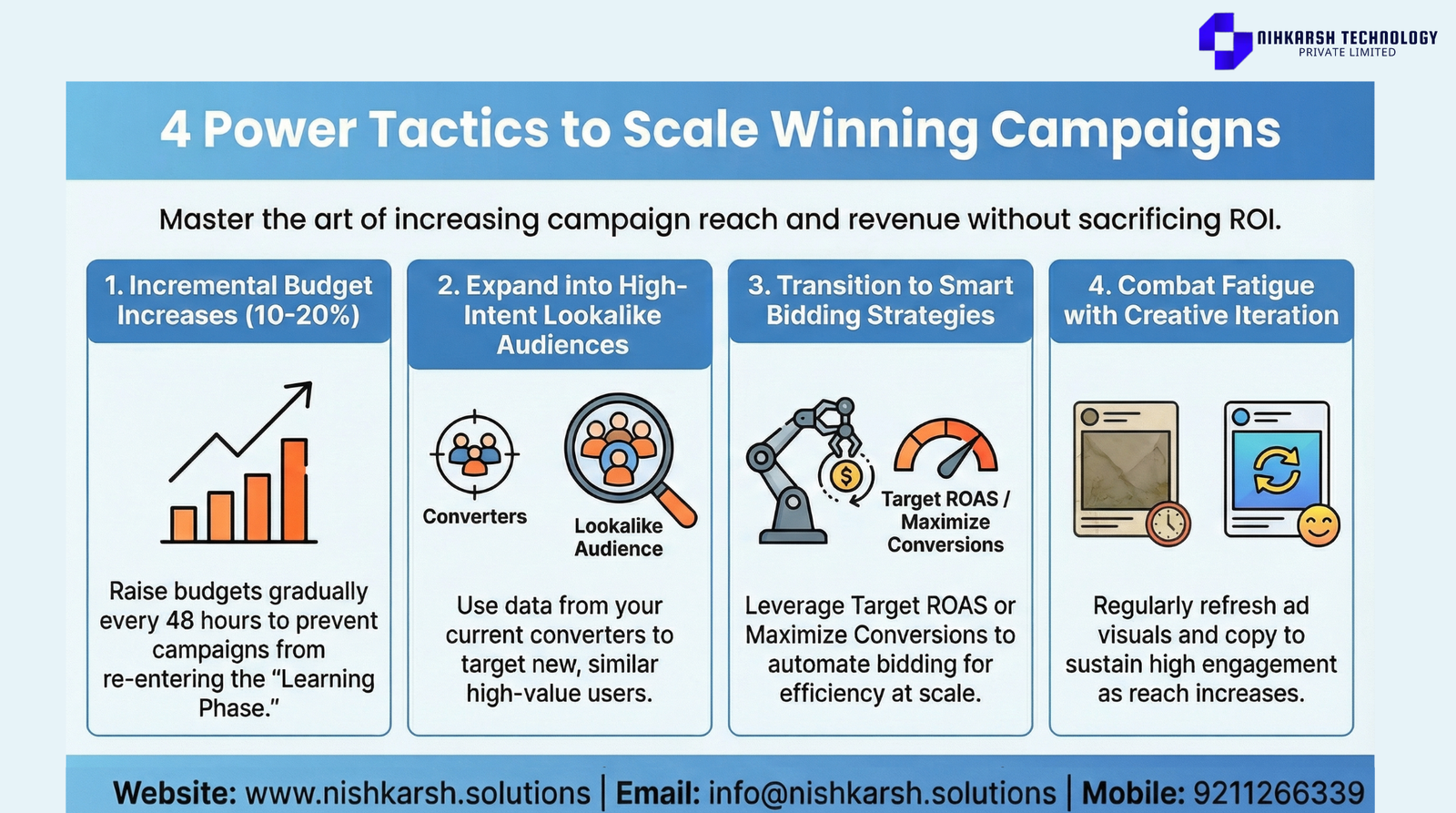
3. AI and Machine Learning: The Future of Google Ads Optimization
AI and machine learning are at the core of Google Ads’ success in 2026. These technologies enable:
- Automated Bid Adjustments: AI adjusts bids based on real-time data, ensuring optimal spend.
- Personalized Ad Recommendations: Google’s AI suggests ad creatives and landing pages tailored to user preferences.
- Fraud Detection and Prevention: Advanced algorithms identify and block fraudulent activity in real time.
A retail brand using AI-driven dynamic creative optimization saw a 32% increase in click-through rates (CTR) within six months.
4. Data-Driven Decision Making: The Key to Scaling Revenue
In 2026, data is the lifeblood of Google Ads success. Here’s how to use it effectively:
- Real-Time Reporting: Google Ads provides instant insights into campaign performance.
- Attribution Modeling: Advanced attribution models (like Google’s Data-Driven Attribution) credit conversions to multiple touchpoints.
- Predictive Analytics: Forecast future performance using AI-driven insights.
An e-commerce platform using predictive analytics reduced ad spend by 25% while maintaining the same revenue levels.
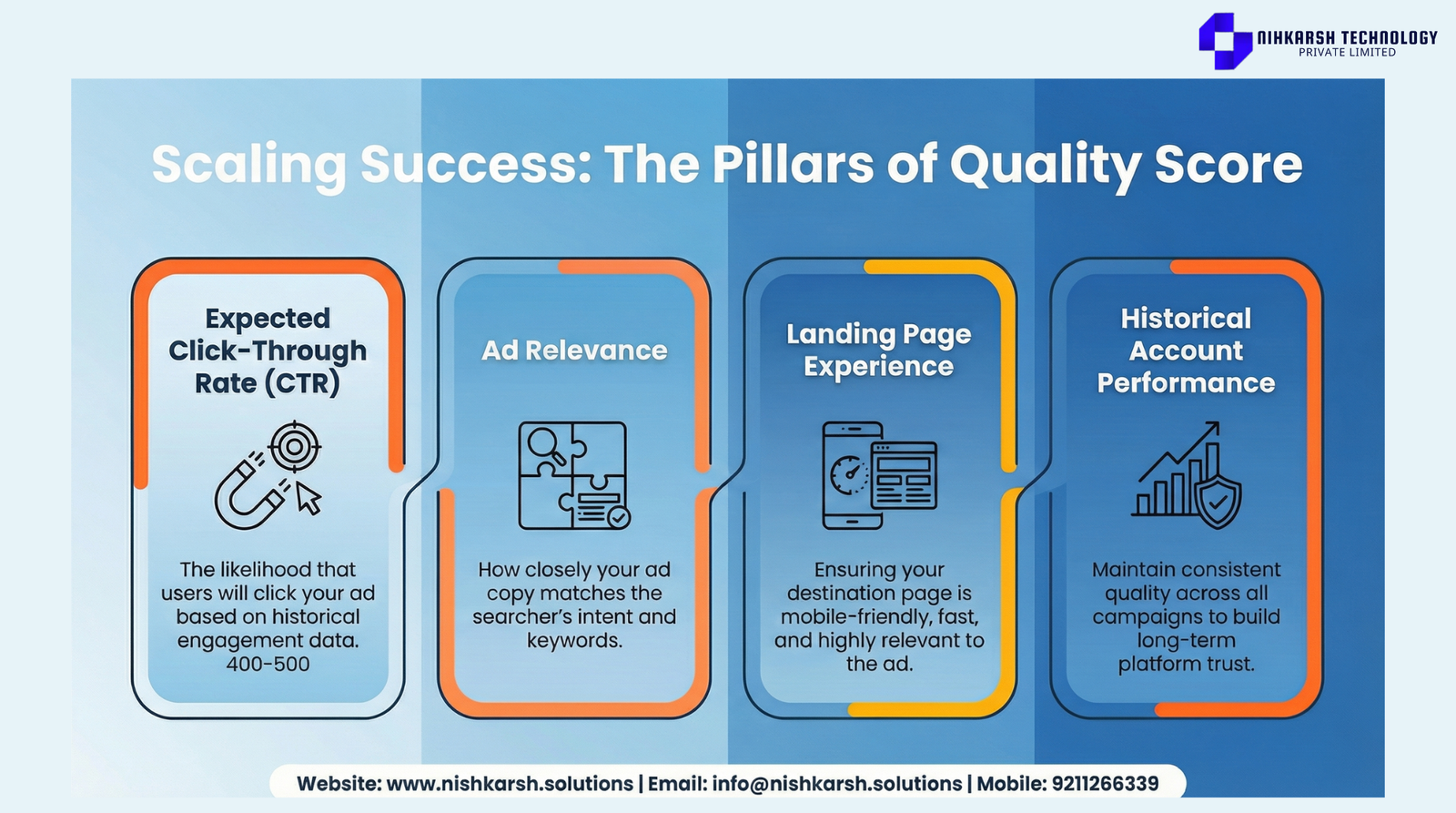
5. Leveraging Google’s Cross-Channel Capabilities
Google Ads in 2026 isn’t just about search—it’s about cross-channel integration. Here’s how to maximize reach:
- YouTube Ads: Integrate video ads with search campaigns for a seamless user experience.
- Display Network: Use remarketing to target users who visited your site but didn’t convert.
- Shopping Ads: Drive traffic to your product listings with automated product feeds.
A fashion retailer combined search, display, and YouTube ads, increasing conversions by 50% over six months.
6. Maximizing Conversion Rates with Smart Landing Pages
Your landing pages are critical to Google Ads success. In 2026, focus on:
- Mobile Optimization: 60% of searches are mobile-first; ensure your pages load quickly.
- Clear CTAs: Use compelling calls-to-action to guide users toward conversion.
- Personalization: Tailor content based on user intent detected from search queries.
A financial services company improved conversion rates by 28% after implementing AI-driven personalized landing pages.
7. The Role of Google’s AI Overlay in Ad Creation
Google’s AI Overlay tool in 2026 automates ad creation, ensuring:
- Dynamic Ad Personalization: AI adjusts ad content based on user behavior.
- Multilingual Support: Automatically translates ads for global audiences.
- Video Ad Optimization: AI suggests the best video clips and pacing for maximum engagement.
A travel agency using AI Overlay saw a 45% increase in video ad engagement within three months.
8. Measuring and Optimizing ROI in Real Time
In 2026, real-time optimization is non-negotiable. Use these strategies:
- Automated A/B Testing: Google Ads continuously tests different ad variations.
- Dynamic Budget Allocation: AI adjusts budgets based on performance trends.
- Competitor Benchmarking: Track competitor performance to stay ahead.
A B2B software company reduced cost per acquisition (CPA) by 30% using real-time A/B testing.
9. Future-Proofing Your Google Ads Strategy
To stay ahead in 2026 and beyond, focus on:
- Continuous Learning: Stay updated with Google Ads updates and industry trends.
- Adapting to New Features: Quickly implement new tools like AI-driven audience insights.
- Scaling Globally: Use Google Ads’ multilingual and multicultural targeting options.
A global retail chain expanded into new markets with AI-driven localization, increasing revenue by 22% in six months.
10. Common Mistakes to Avoid in Google Ads
Even with advanced tools, mistakes can derail your campaigns. Avoid:
- Ignoring Negative Keywords: Poorly managed negative keywords waste budget.
- Overlooking Mobile Optimization: Mobile traffic is critical but often neglected.
- Neglecting Data Analysis: Skipping performance reviews leads to missed opportunities.
A healthcare startup avoided these pitfalls, increasing conversions by 35% after refining their strategy.
Conclusion: Building a High-Speed Revenue Engine
In 2026, Google Ads is more than just advertising—it’s a revenue engine. By leveraging AI, cross-channel capabilities, and data-driven decision-making, businesses can accelerate growth like never before. The future of Google Ads lies in automation, personalization, and real-time optimization. Those who embrace these trends will dominate the digital marketplace, turning their campaigns into high-speed revenue generators.
Ready to transform your Google Ads strategy? Start with a clear goal, optimize continuously, and stay ahead of the curve with AI-driven insights. The road to revenue acceleration begins now.