
Boost Your Business Growth with a Website: Types Explained

How Building a Website Helps Your Business Grow & Different Types of Websites Explained
In 2026, having a strong online presence is no longer optional—it's essential for business growth. A well-designed website acts as a 24/7 salesperson, customer service representative, and marketing tool all in one. Whether you're a startup, small business, or established enterprise, a professional website can significantly boost your brand's visibility, credibility, and revenue. But not all websites are created equal. Understanding the different types and how they can help your business grow is crucial.
This guide will explore how building a website helps your business thrive in 2026 and beyond, along with the various types of websites you can create to meet your specific needs.
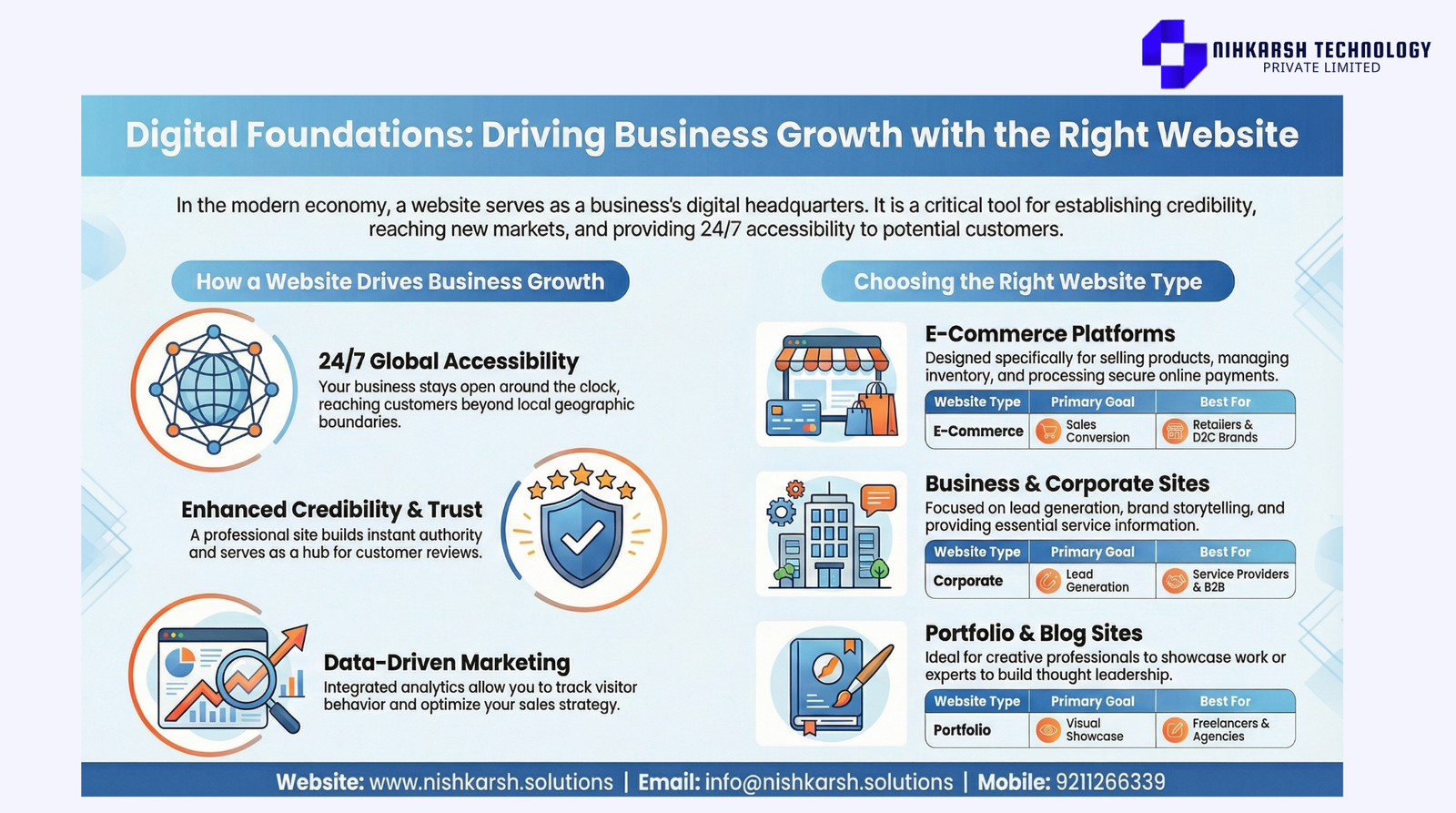
Why Building a Website is Crucial for Business Growth in 2026
In today's digital-first world, consumers expect businesses to have an online presence. According to recent data, over 90% of consumers research products or services online before making a purchase. A website isn't just a digital brochure—it's a powerful tool for engagement, lead generation, and sales.
1. Establishes Credibility and Trust
A professional website instantly elevates your business's credibility. In 2026, consumers are more skeptical than ever, and a poorly designed or outdated website can drive potential customers away. A modern, mobile-friendly site with secure HTTPS and fast loading times builds trust and reassures visitors that your business is legitimate.
2. Boosts Search Engine Visibility
Search engines like Google prioritize websites that are optimized for user experience and relevance. A well-structured website with quality content, proper meta tags, and fast loading speeds will rank higher in search results, driving more organic traffic to your site.
3. Enhances Customer Engagement
A website allows you to interact with customers in real time through live chat, contact forms, and social media integration. Features like blog sections, FAQs, and customer reviews can also improve engagement and build relationships with your audience.
4. Drives Sales and Conversions
In 2026, e-commerce is booming, and having an online store can significantly increase your revenue. A well-designed e-commerce site with secure payment gateways, easy navigation, and compelling product descriptions can convert visitors into paying customers.
5. Provides a 24/7 Marketing Tool
Unlike traditional marketing, a website works around the clock, attracting visitors and generating leads even when your business is closed. Features like automated email marketing, lead capture forms, and SEO-optimized content can help nurture leads and drive sales.
Different Types of Websites and Their Business Benefits
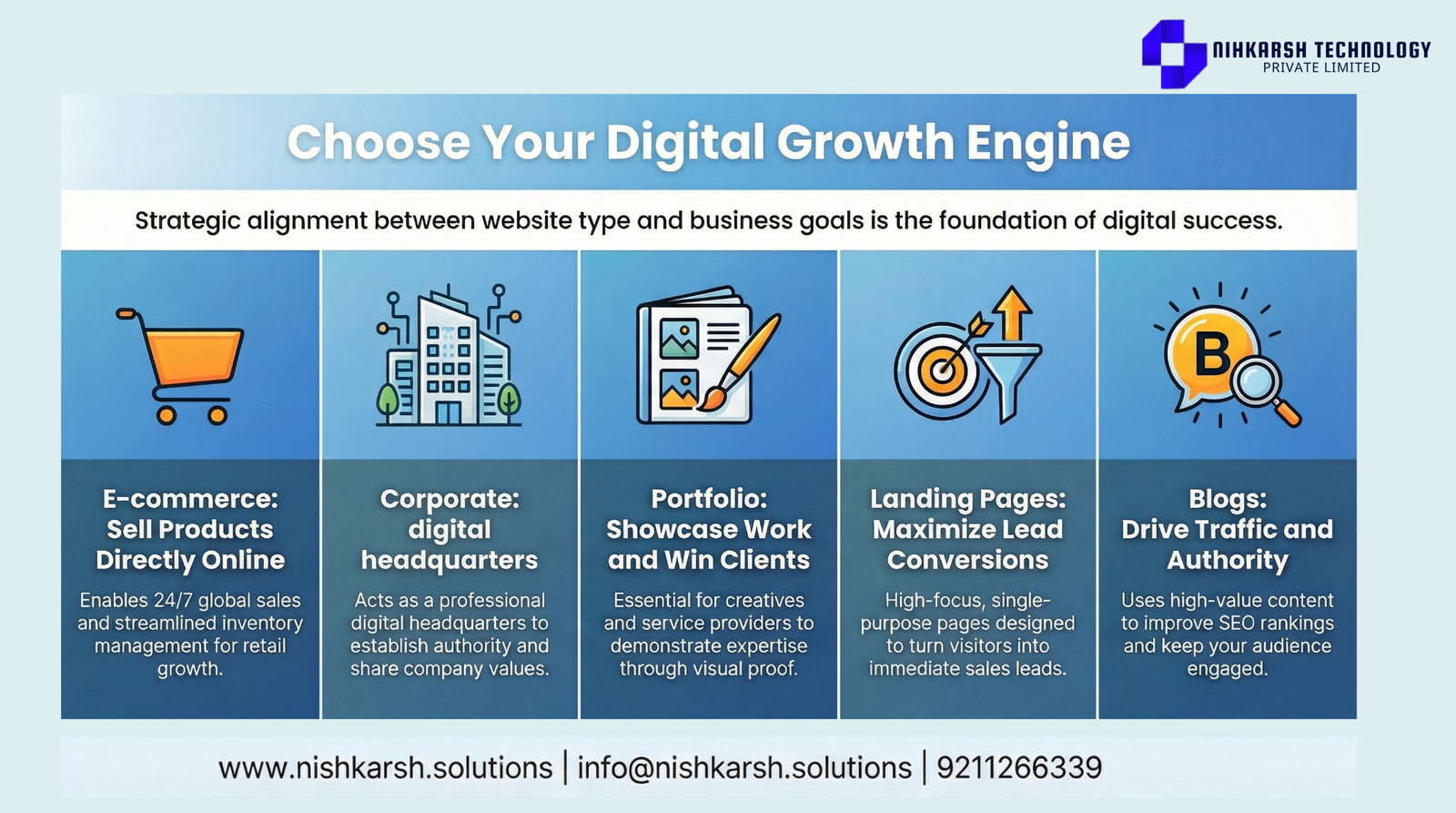
Not all websites serve the same purpose. Depending on your business goals, you may need a specific type of website. Here are the most common types and how they can help your business grow.
1. Business Website
A business website is the foundation of your online presence. It typically includes information about your company, services, products, and contact details. In 2026, a business website should be fully responsive, fast-loading, and optimized for local SEO to attract nearby customers.
Example: A local bakery could use a business website to showcase its products, share a blog with baking tips, and provide online ordering options.
2. E-Commerce Website
An e-commerce website allows you to sell products or services directly to customers online. In 2026, e-commerce is expected to reach $6.5 trillion globally, making it a lucrative opportunity for businesses of all sizes.
Example: A fashion brand could use an e-commerce website to sell clothing and accessories, with features like product reviews, secure checkout, and social media integration.
3. Portfolio Website
A portfolio website is ideal for freelancers, designers, and creative professionals who want to showcase their work. It typically includes case studies, testimonials, and a contact form to attract clients.
Example: A graphic designer could use a portfolio website to display their best projects, share client testimonials, and provide a way for potential clients to hire them.
4. Blog Website
A blog website is perfect for businesses that want to establish authority in their industry through content marketing. Blogs can drive organic traffic, improve SEO, and engage audiences with valuable information.
Example: A digital marketing agency could use a blog website to share industry insights, case studies, and tips for other businesses.
5. Membership or Subscription Website
Membership or subscription websites provide exclusive content or services to paying members. These sites are popular in industries like fitness, education, and entertainment, where recurring revenue is key.
Example: A fitness coaching business could use a membership website to offer personalized workout plans, nutrition guides, and live coaching sessions to subscribers.
6. Landing Page Website
A landing page website is designed for a single campaign or offer. It's highly focused, with a clear call-to-action (CTA) to drive conversions. Landing pages are often used in email marketing, paid advertising, and social media campaigns.
Example: A software company could use a landing page to promote a new feature, with a limited-time discount to encourage sign-ups.
7. Community or Forum Website
A community or forum website fosters engagement by bringing like-minded individuals together. These sites are popular in niche industries like gaming, parenting, and hobbies, where users want to connect and share experiences.
Example: A parenting blog could expand into a community website with forums for parents to share tips, ask questions, and connect with others.
8. Web Application
A web application is an interactive website that performs specific functions, such as project management, customer relationship management (CRM), or data analysis. These apps are designed to solve business problems and improve efficiency.
Example: A project management tool like Trello could use a web application to help teams collaborate, track progress, and manage tasks in real time.
Key Trends in Website Design for 2026 and Beyond
Website design is constantly evolving, and staying ahead of trends is crucial for business growth. Here are some key trends to watch in 2026 and beyond.
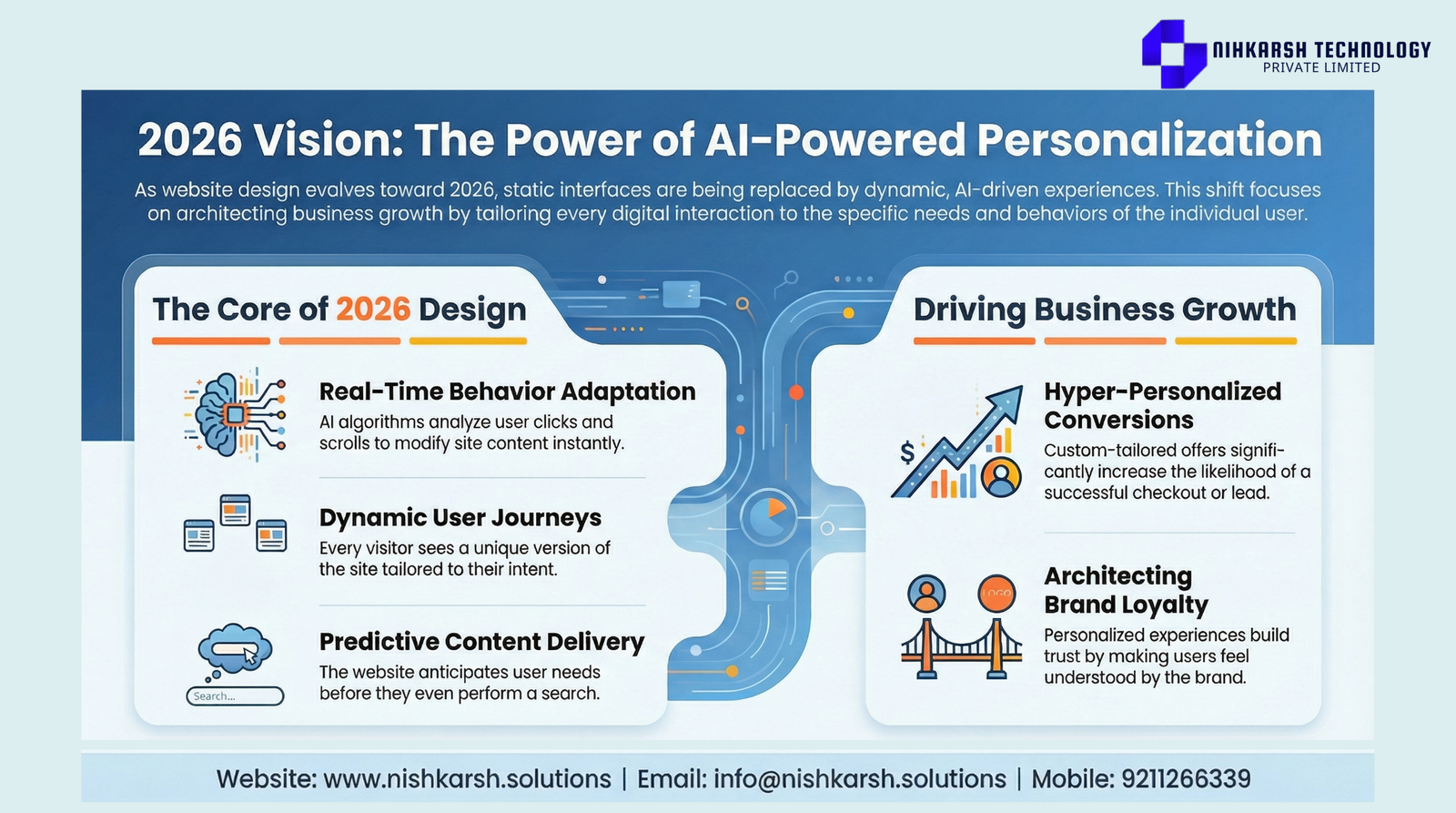
1. AI-Powered Personalization
Artificial intelligence (AI) will play a bigger role in website design, enabling personalized experiences for users. AI chatbots, recommendation engines, and dynamic content will help businesses engage visitors more effectively.
2. Voice Search Optimization
With the rise of smart speakers and voice assistants, optimizing your website for voice search will become increasingly important. Using natural language in content and schema markup can help your site rank higher in voice search results.
3. Dark Mode and Accessibility Features
Dark mode is no longer a trend—it's a standard feature in many websites. In 2026, accessibility will be a key consideration, with features like high-contrast mode, screen reader compatibility, and keyboard navigation becoming more common.
4. Micro-Interactions and Animations
Subtle animations and micro-interactions can enhance user experience and make your website more engaging. However, it's important to use them judiciously to avoid overwhelming visitors.
5. Progressive Web Apps (PWAs)
PWAs combine the best of websites and mobile apps, offering fast loading times, offline functionality, and push notifications. As mobile usage continues to grow, PWAs will become a key trend in website design.
How to Choose the Right Website for Your Business
Selecting the right type of website depends on your business goals, target audience, and industry. Here are some key considerations:
1. Define Your Business Goals
Are you looking to generate leads, sell products, or build brand awareness? Understanding your goals will help you choose the right website type.
2. Know Your Target Audience
Different audiences have different needs. For example, a B2B company might need a more professional website, while a consumer brand might benefit from a more creative design.
3. Consider Your Budget and Resources
Building a website can range from a few hundred dollars for a simple site to tens of thousands for a complex e-commerce platform. Choose a solution that fits your budget and technical capabilities.
4. Plan for Future Growth
Your website should be scalable to accommodate future needs, such as adding new products, expanding into new markets, or integrating new technologies.
5. Prioritize User Experience (UX)
A website that's easy to navigate, loads quickly, and provides a seamless experience will keep visitors engaged and encourage conversions.
Conclusion: Building the Right Website for Long-Term Success
In 2026 and beyond, a well-designed website is a powerful tool for business growth. Whether you're a startup, small business, or established enterprise, understanding the different types of websites and their benefits can help you make informed decisions. By staying up-to-date with design trends, optimizing for user experience, and aligning your website with your business goals, you can create a powerful online presence that drives growth and success.
Remember, your website is more than just a digital storefront—it's a reflection of your brand and a key driver of your business's future. Investing in a high-quality website today will pay off in increased visibility, customer engagement, and revenue tomorrow.
Ready to build your website? Start by defining your goals, choosing the right type of website, and partnering with a reputable web development agency or using a user-friendly platform like WordPress or Squarespace. With the right approach, your website can become a powerful asset for your business.